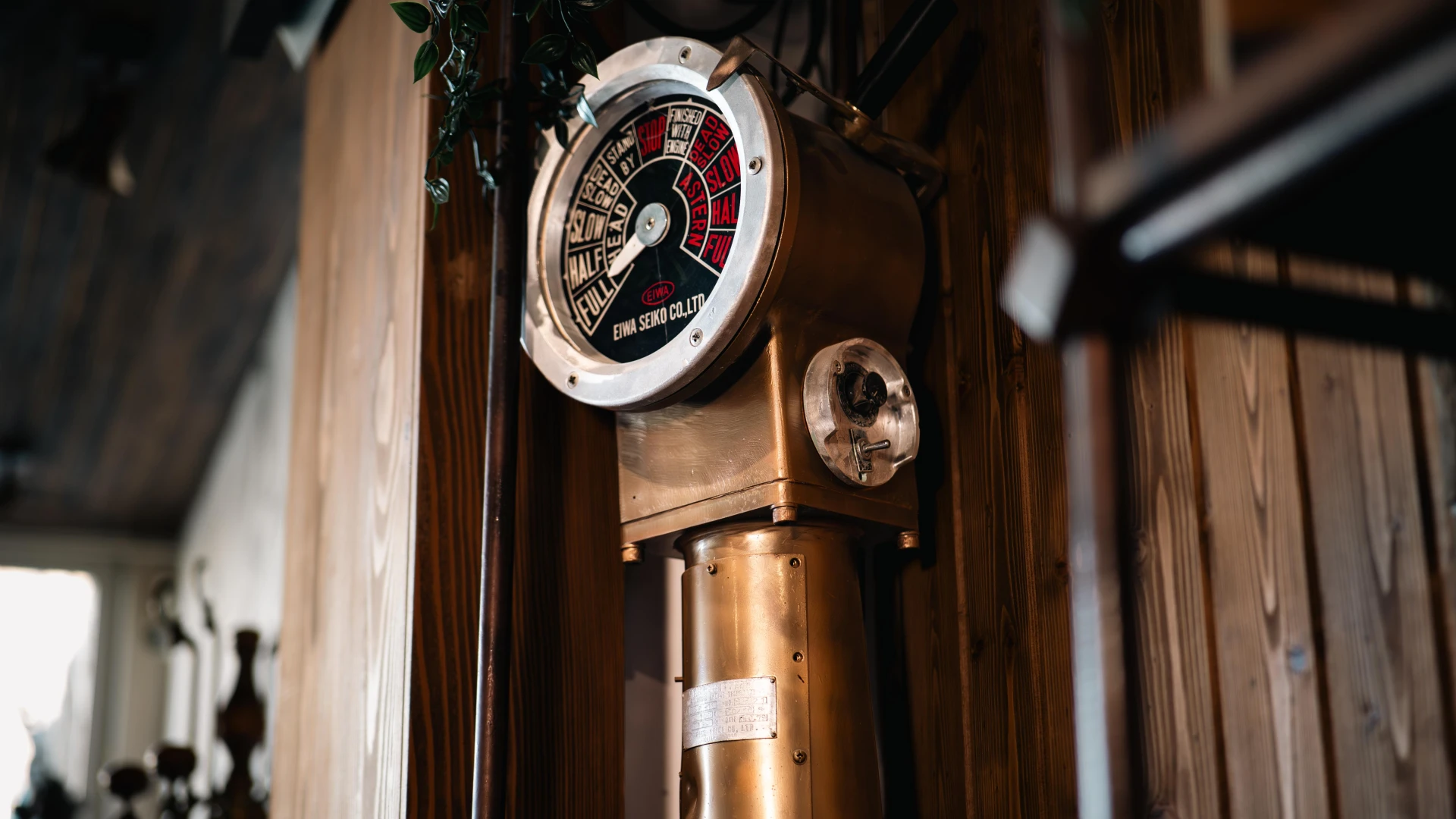
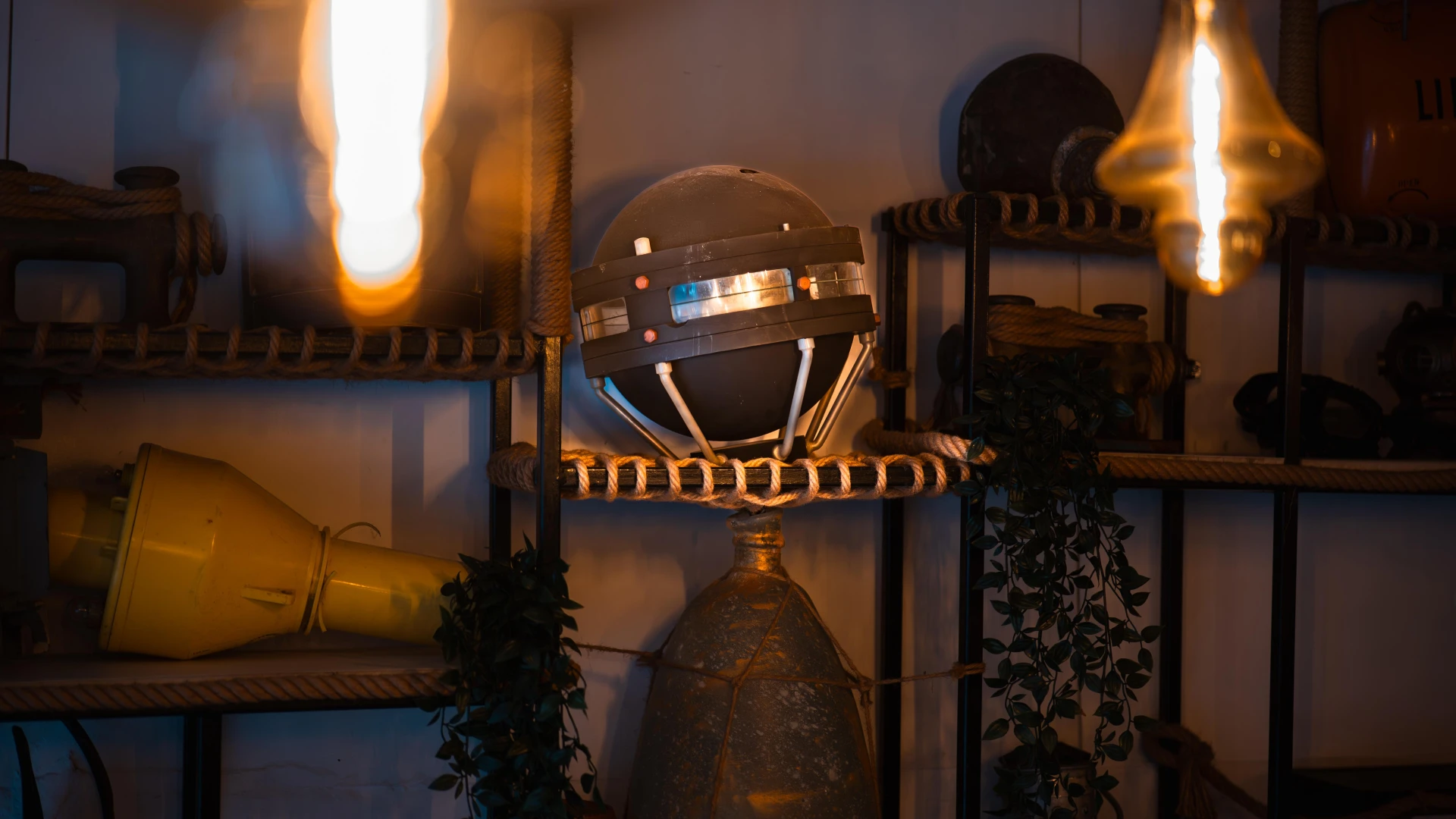
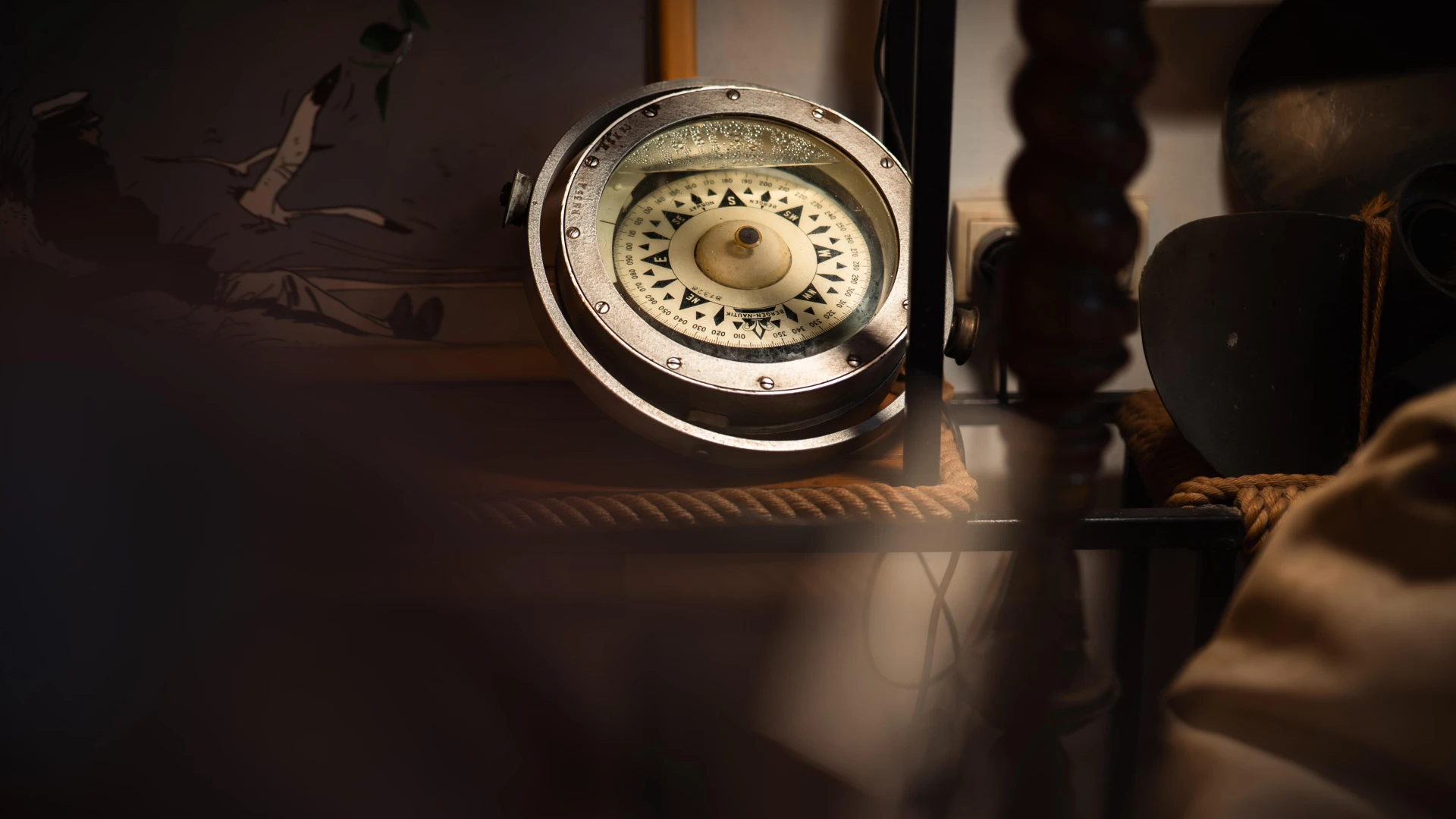
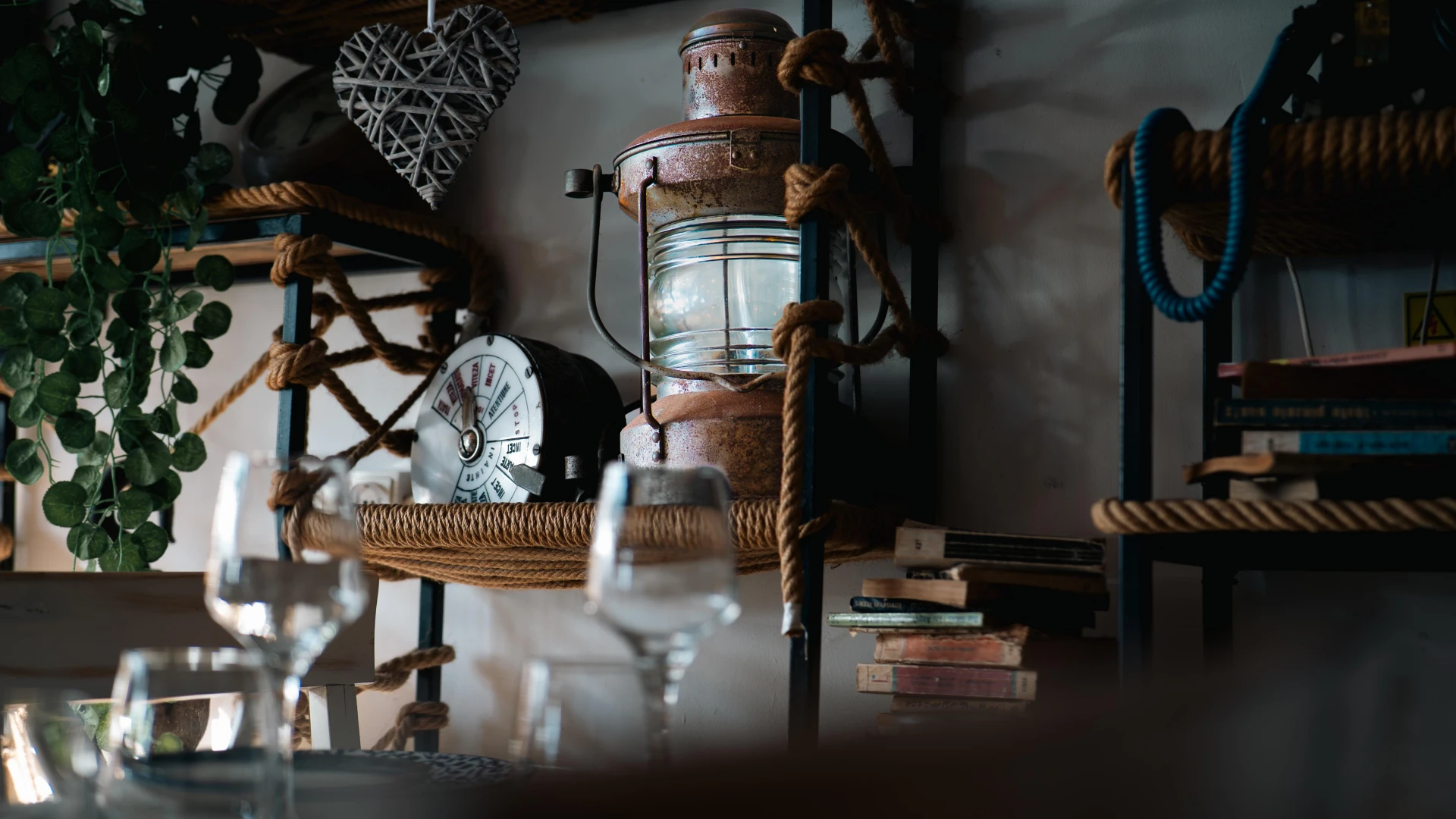
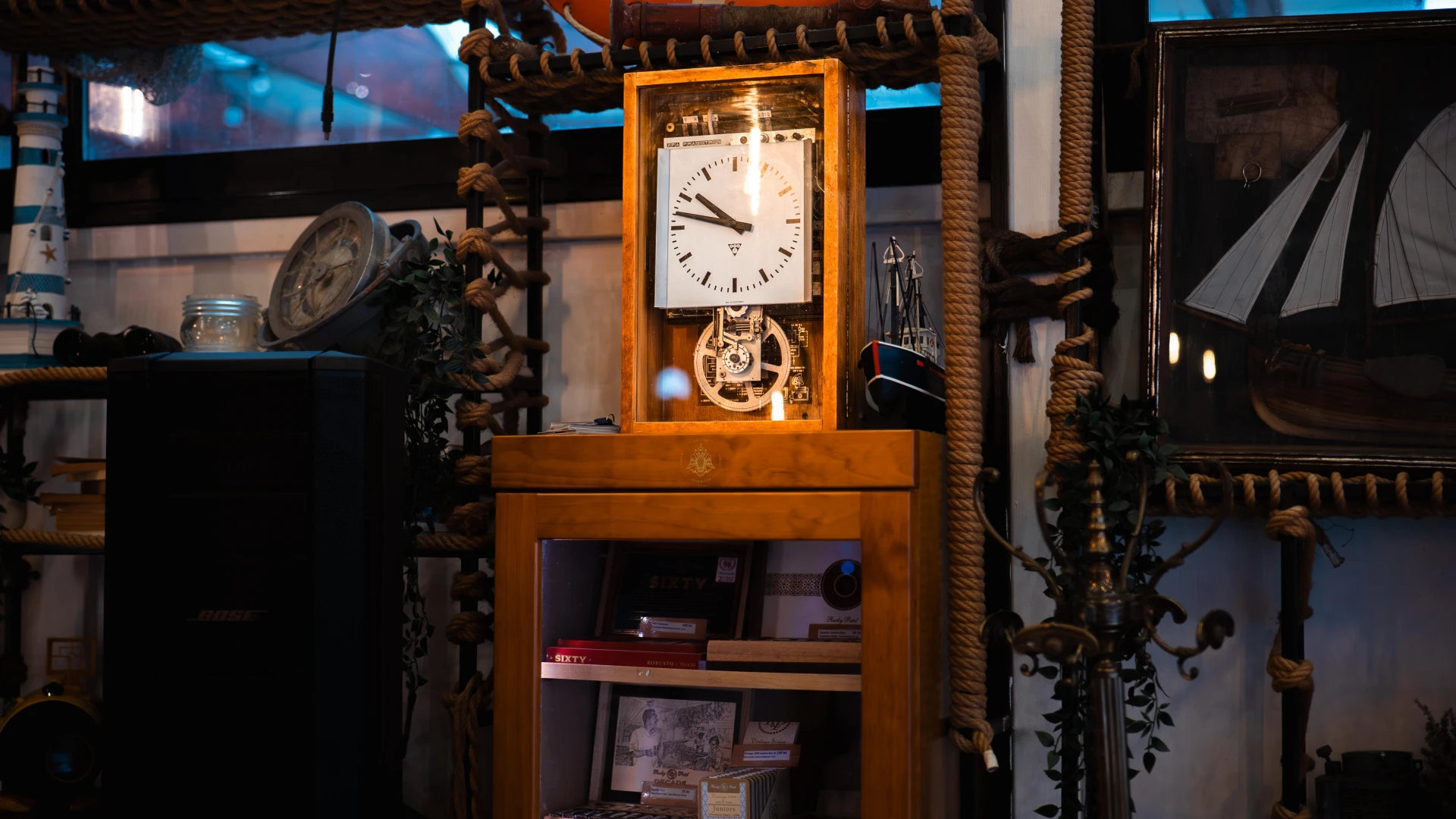
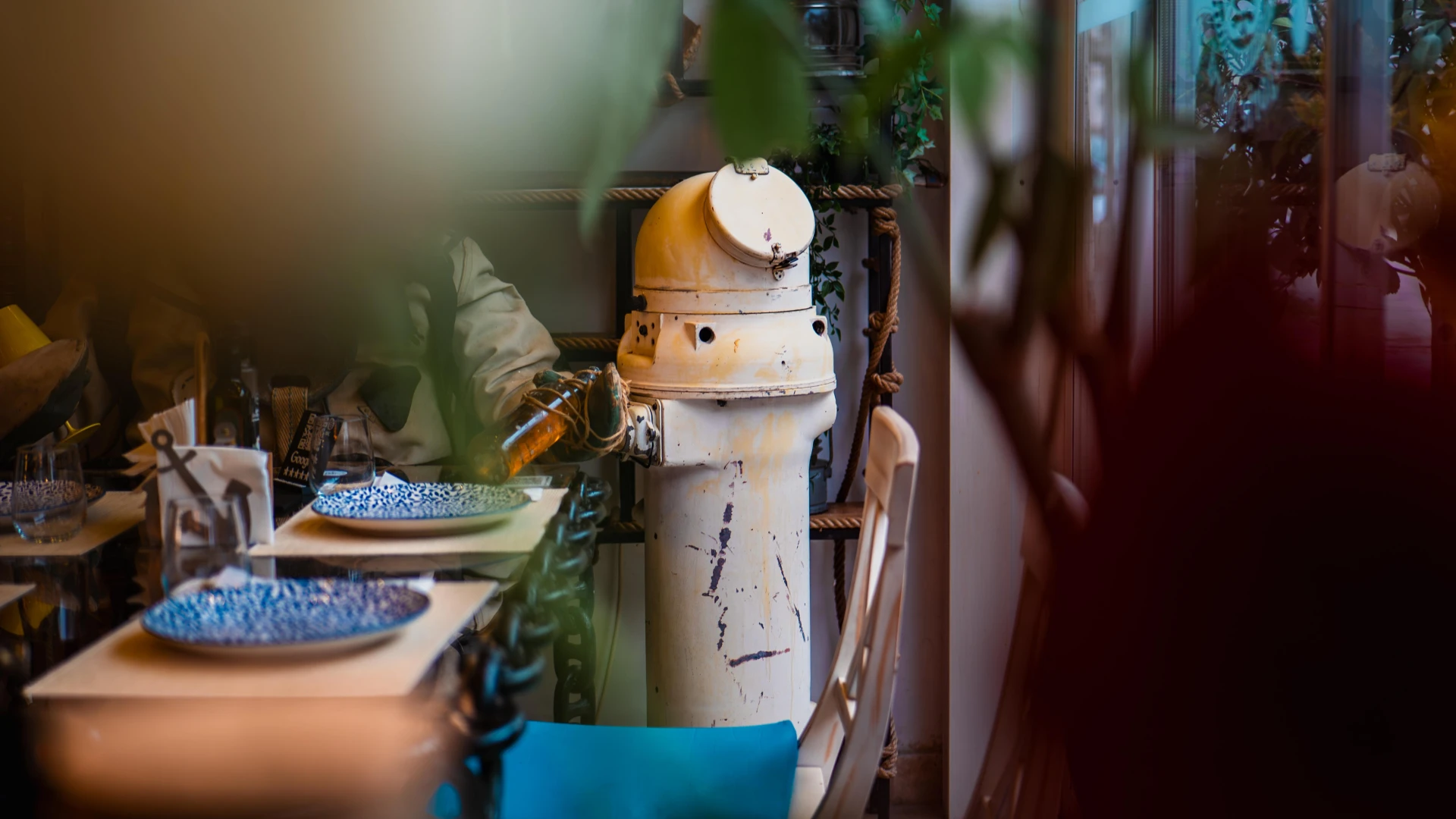
This manual engine order telegraph, built by Eiwa Seiko Co. Ltd., was used to transmit orders from the bridge to the engine room. A key component in traditional maritime navigation, this British model ensured precise control over ship operations before being replaced by modern electronic systems. With its durable design and mechanical precision, it played a crucial role in ship maneuvering and safety. Now displayed at Terasa cu Ancore, it remains a remarkable piece of maritime engineering.
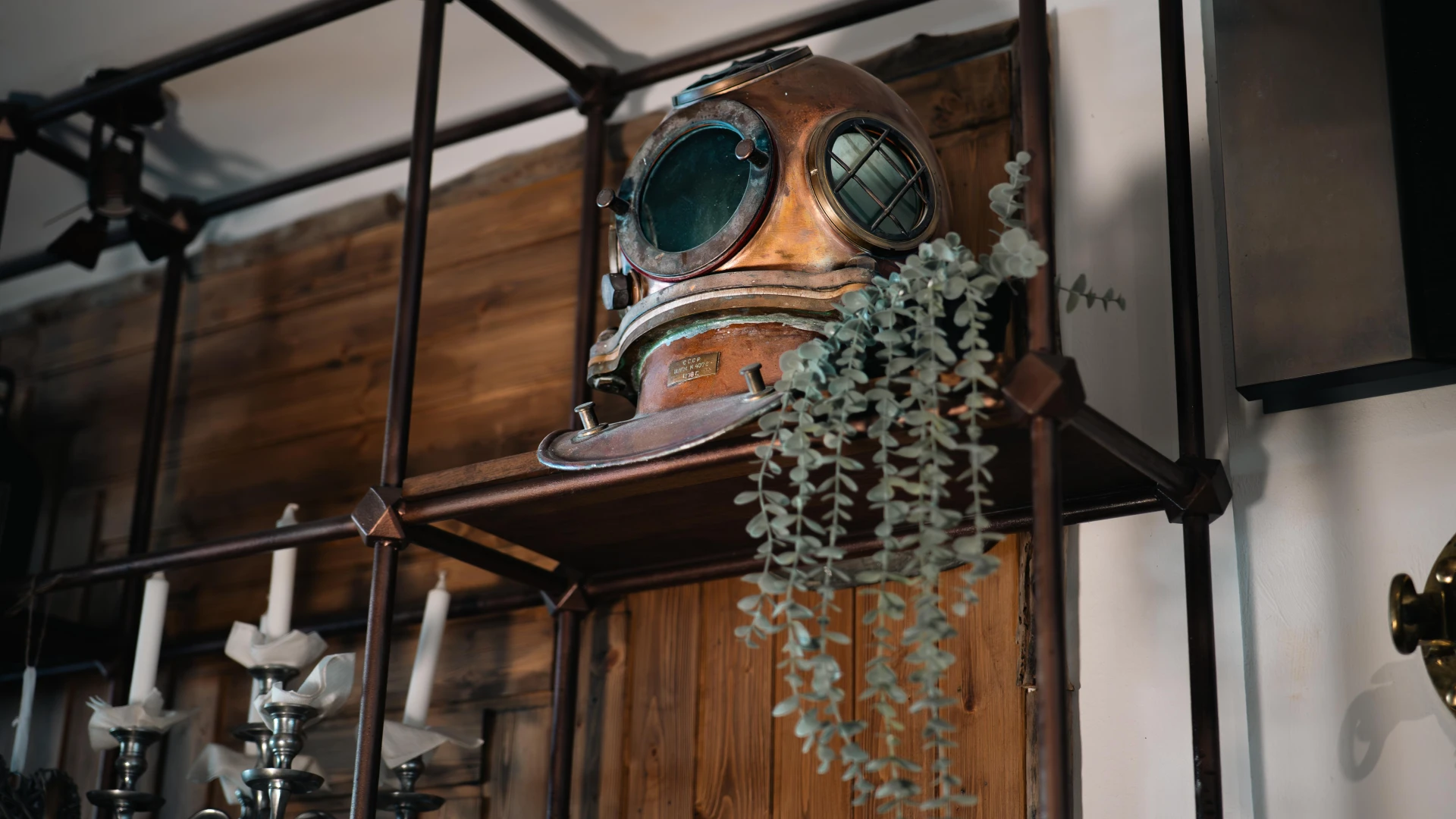
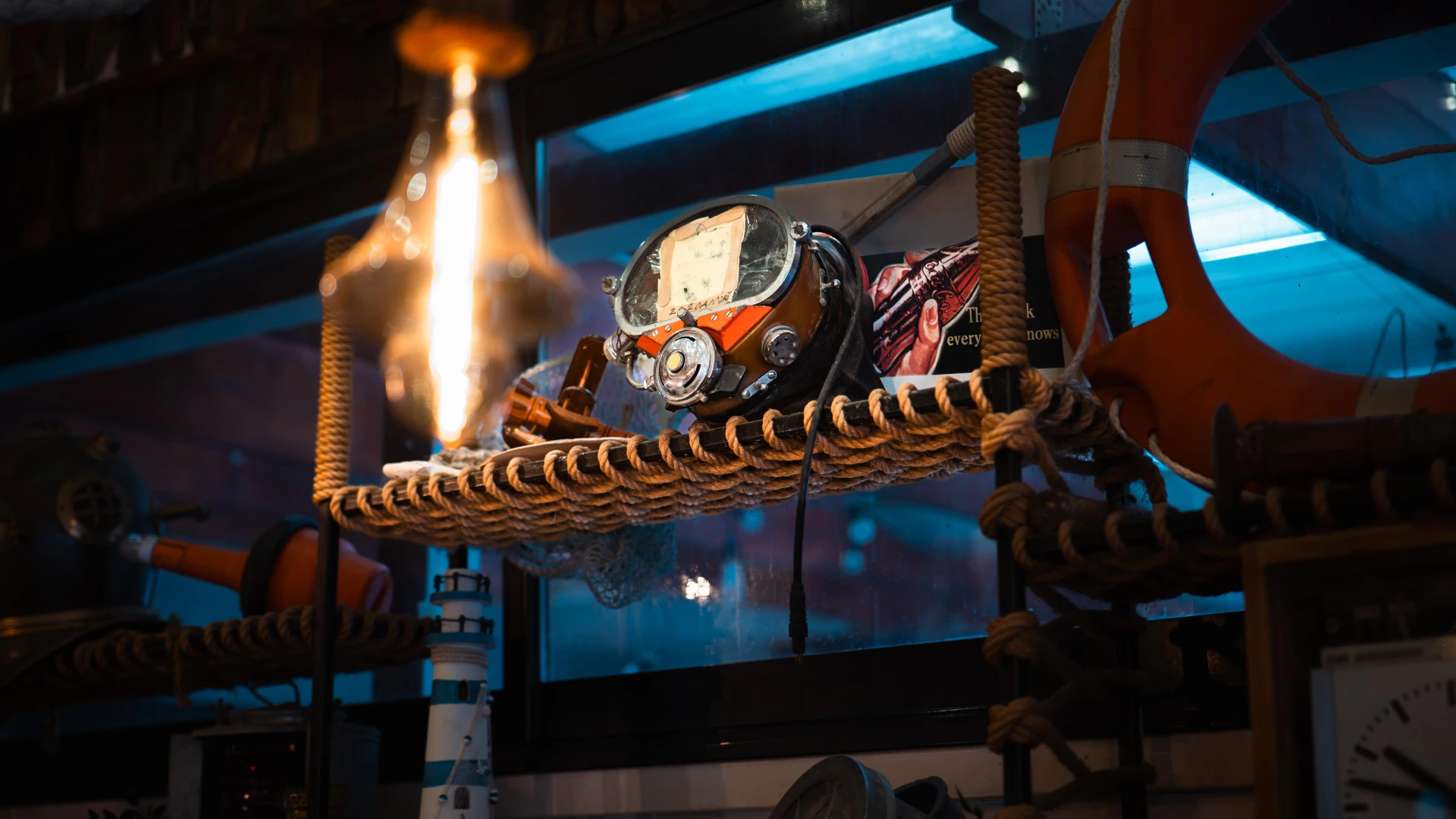
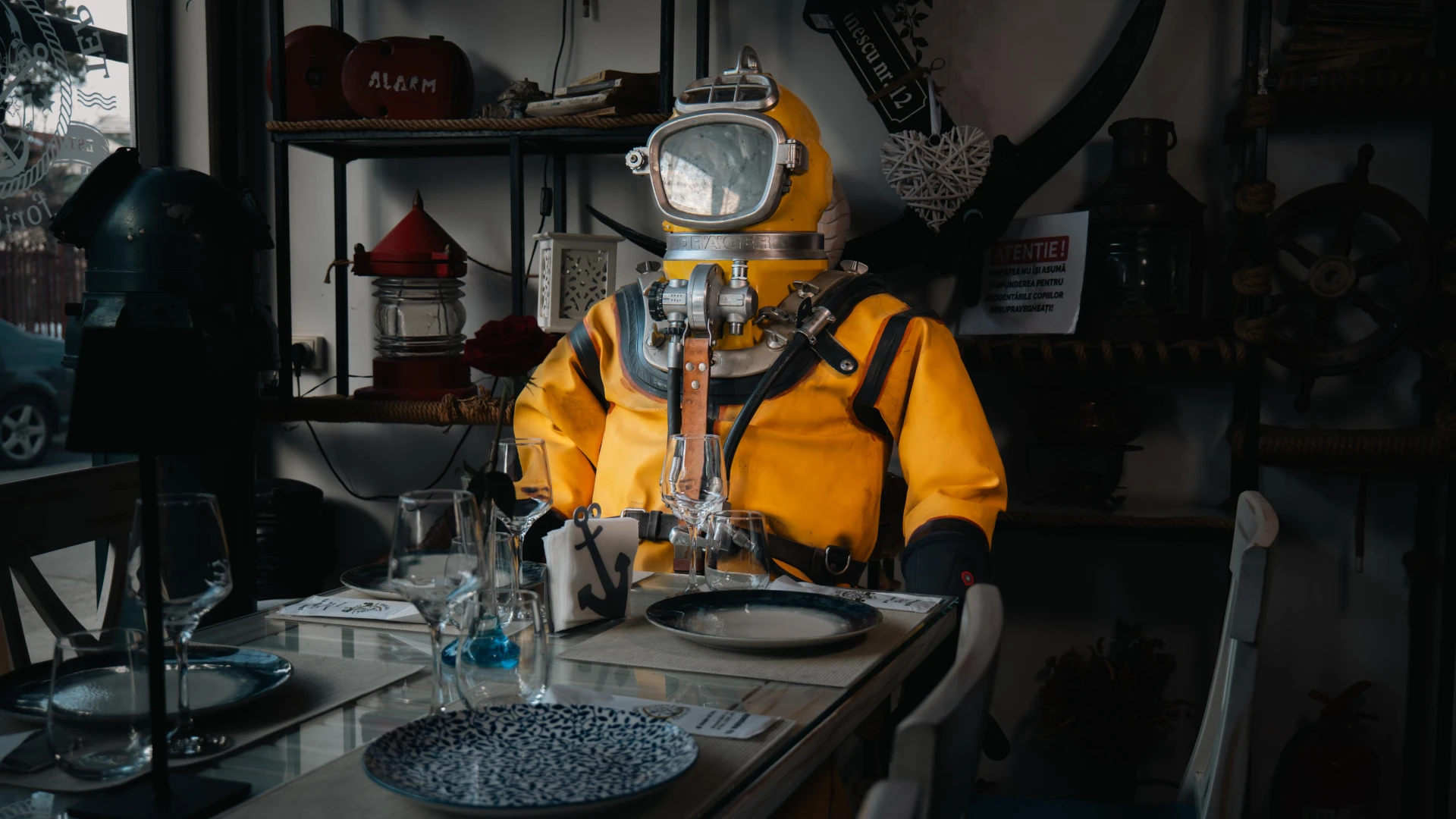
This Russian heavy diving gear includes a suit that is over 100 years old, originally used in industrial underwater operations, paired with a Russian helmet from 1981. The lead-plated vest provides stability at depth, while the robust metal helmet ensures protection and underwater communication. This set is a remarkable example of Soviet maritime engineering, used successfully by professional divers in extreme underwater conditions.
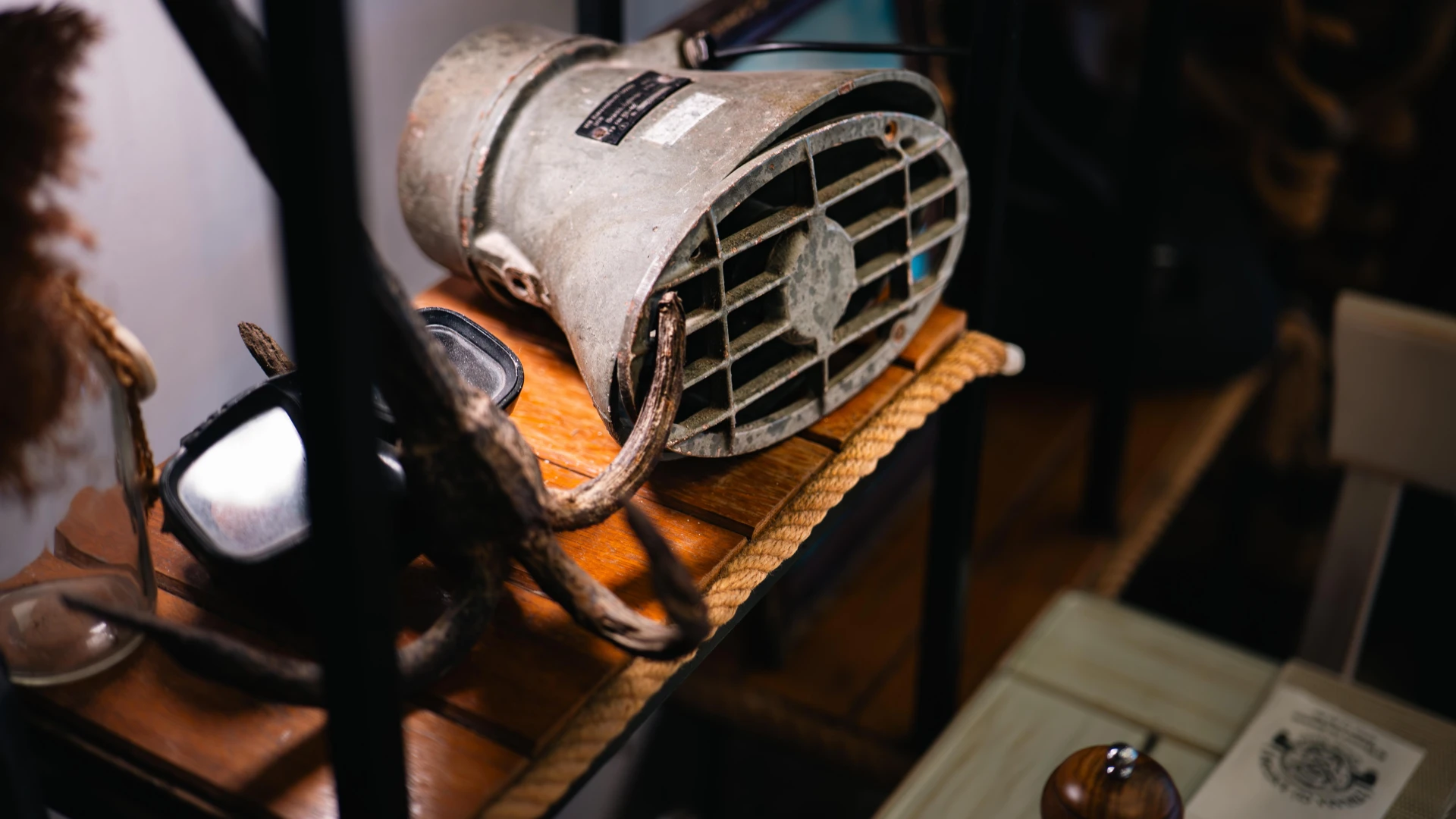
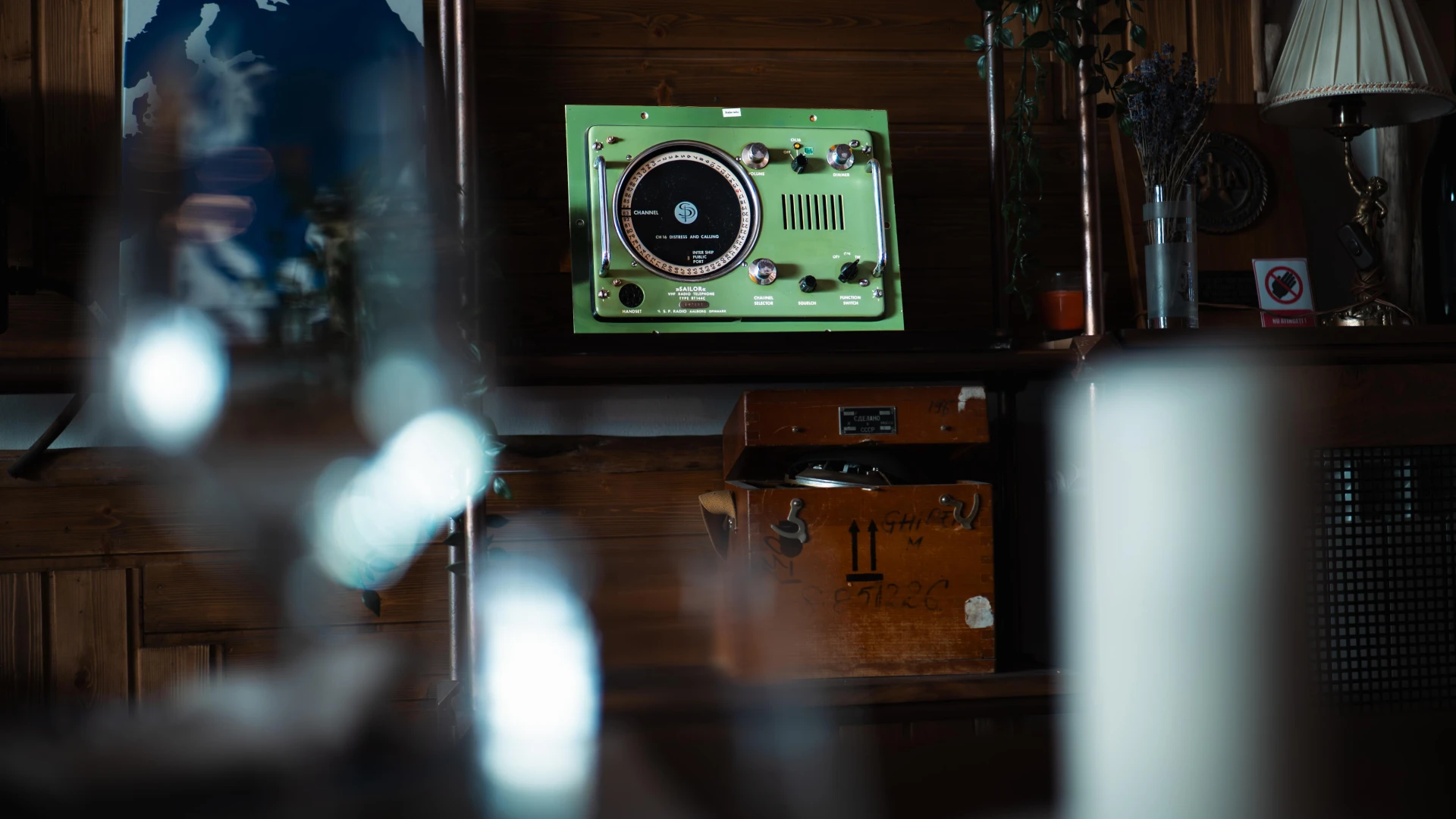
This naval coil phone, used on commercial ships and military submarines, ensured effective communication in high-noise environments and extreme conditions. Its self-powered transmission system made it indispensable for emergency situations, and it is still in use today for specific maritime applications. Compact and durable, this device showcases the reliability of classic naval equipment. Displayed at Terasa cu Ancore, it stands as a key artifact in maritime communication history.
This Russian air compressor, designed for a single diver, was used on small boats and vessels. Built from durable metal, it was manually operated to provide breathable air during dives. Its compact and efficient design made it ideal for individual underwater missions, ensuring a steady air supply in demanding environments. A crucial relic of past diving technology.
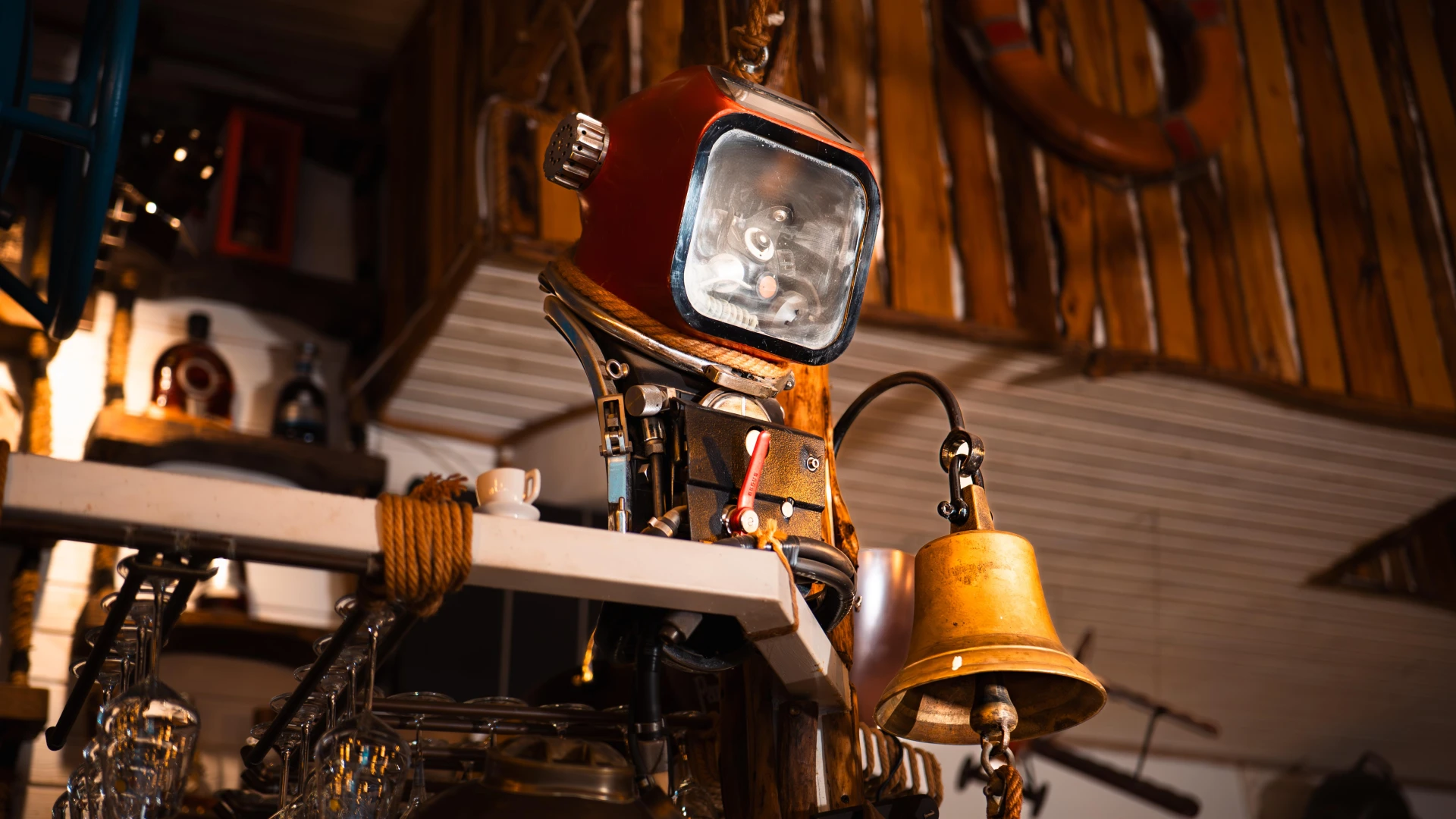
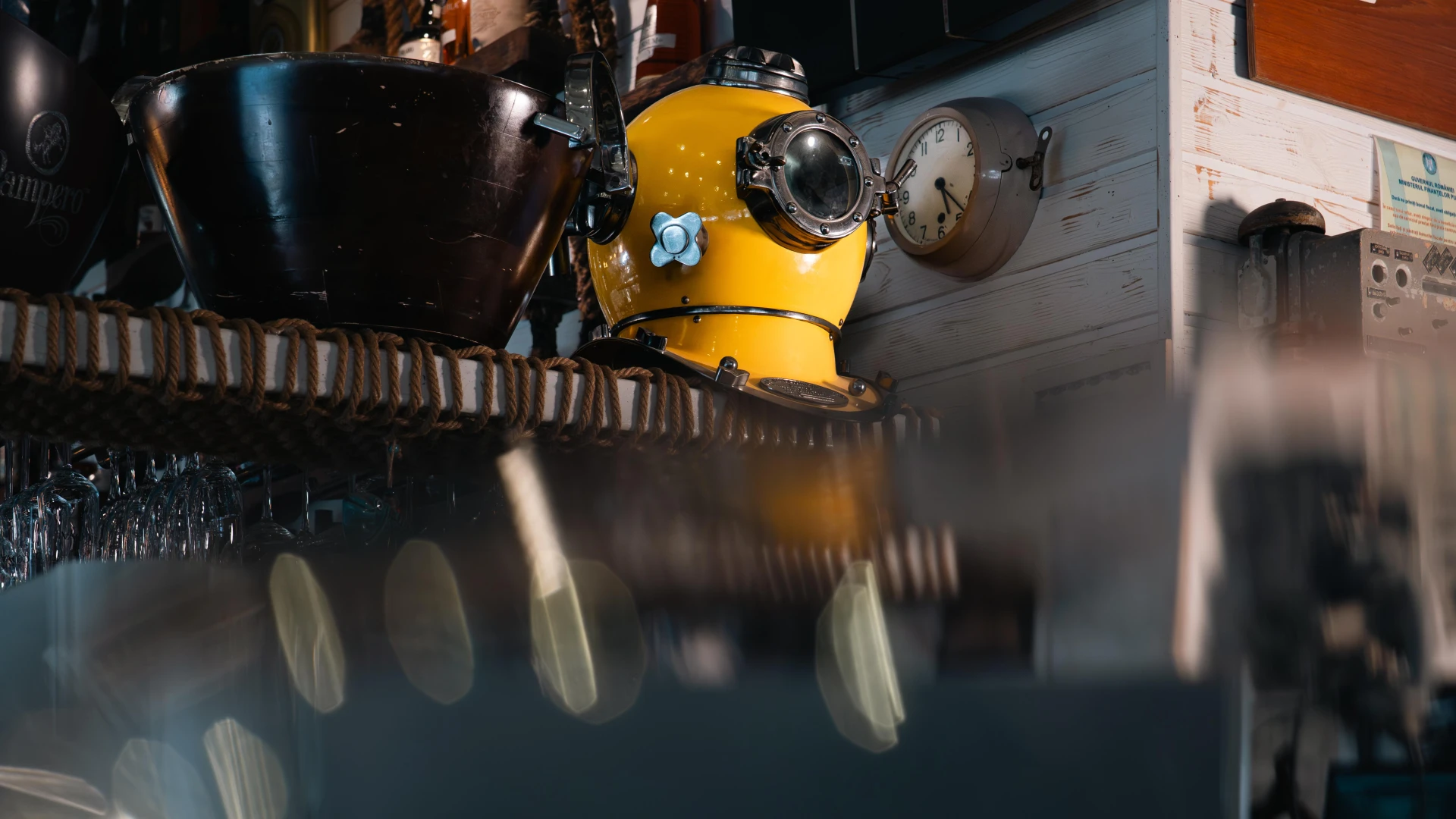
This heavy diving helmet, painted in a distinctive yellow, was used by American divers for military and commercial underwater operations. Designed for enhanced safety and visibility, it represents a crucial part of deep-sea exploration history. Alongside it, a vintage naval clock, once used on ships to track maritime operations, adds a touch of authenticity to this historical maritime collection at Terasa cu Ancore.
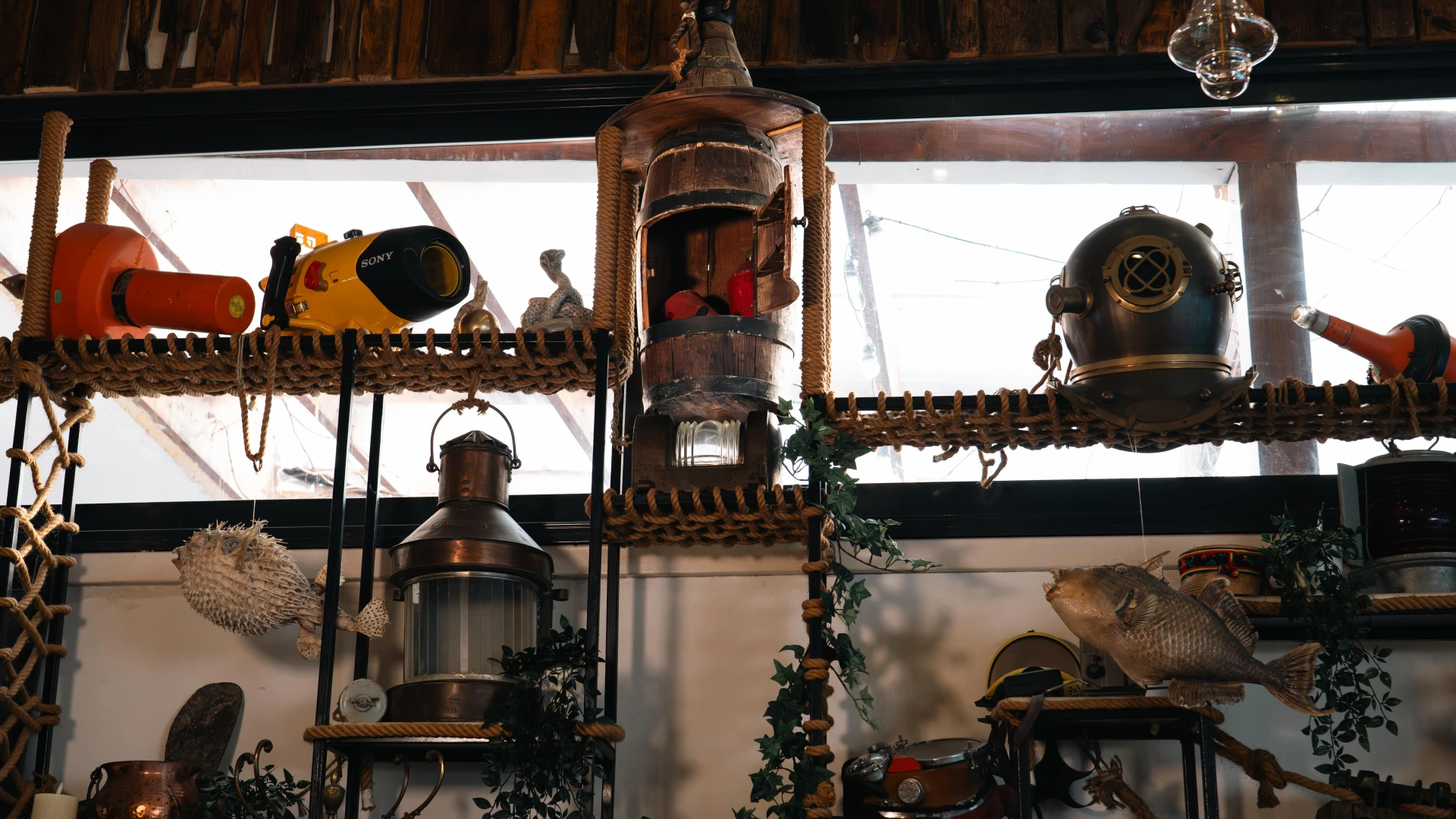
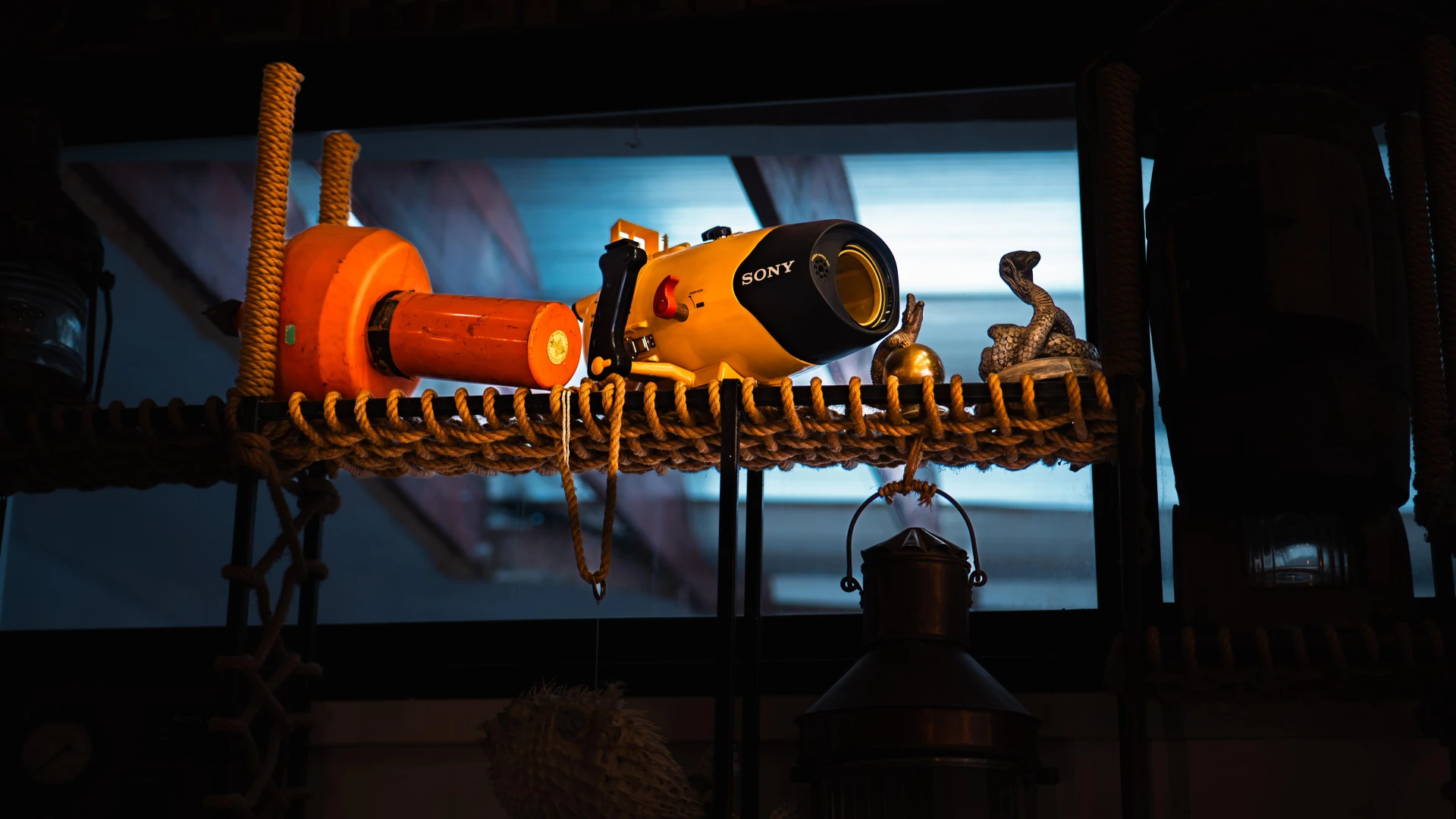
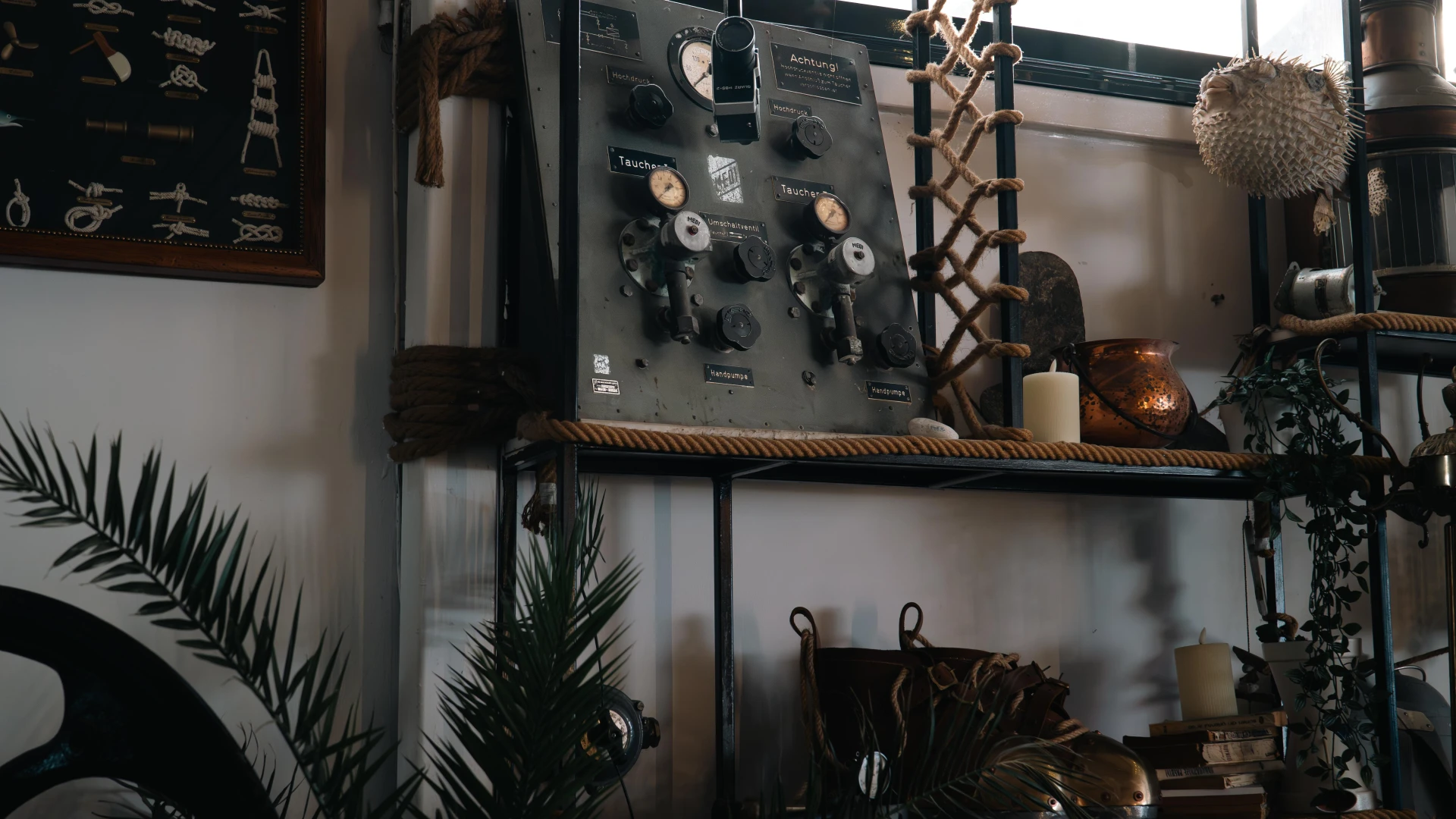
This Sony underwater housing is a crucial tool for filming and underwater photography, shielding cameras from water pressure. Used by professional divers and marine explorers, it ensures safety at great depths, capturing breathtaking imagery beneath the waves.
This Russian naval emergency panel was used for detecting and alerting the crew about hull breaches and structural damages. The system displayed affected areas and provided warnings for immediate action to prevent sinking. A crucial piece of maritime safety, now displayed at Terasa cu Ancore.
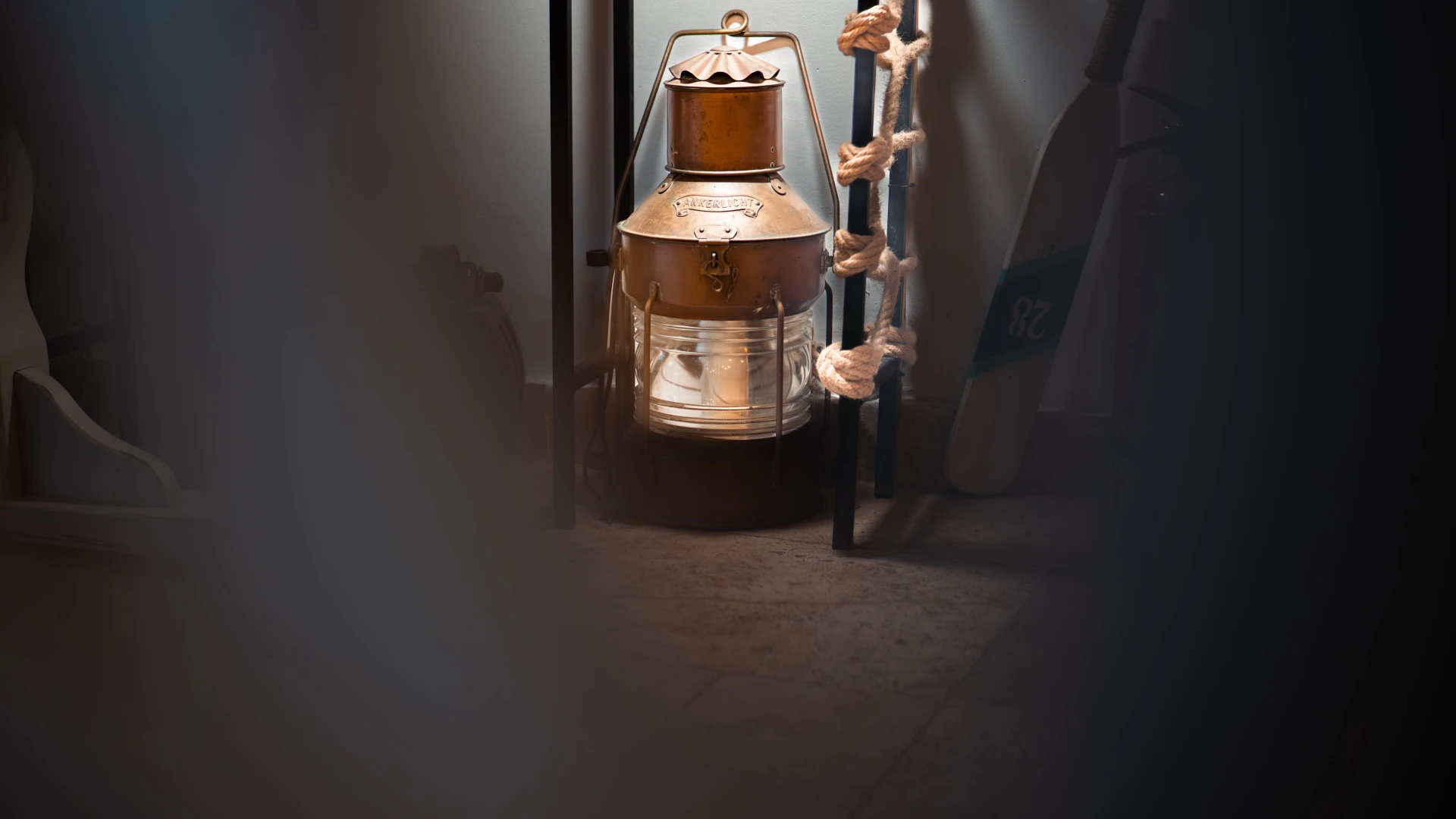
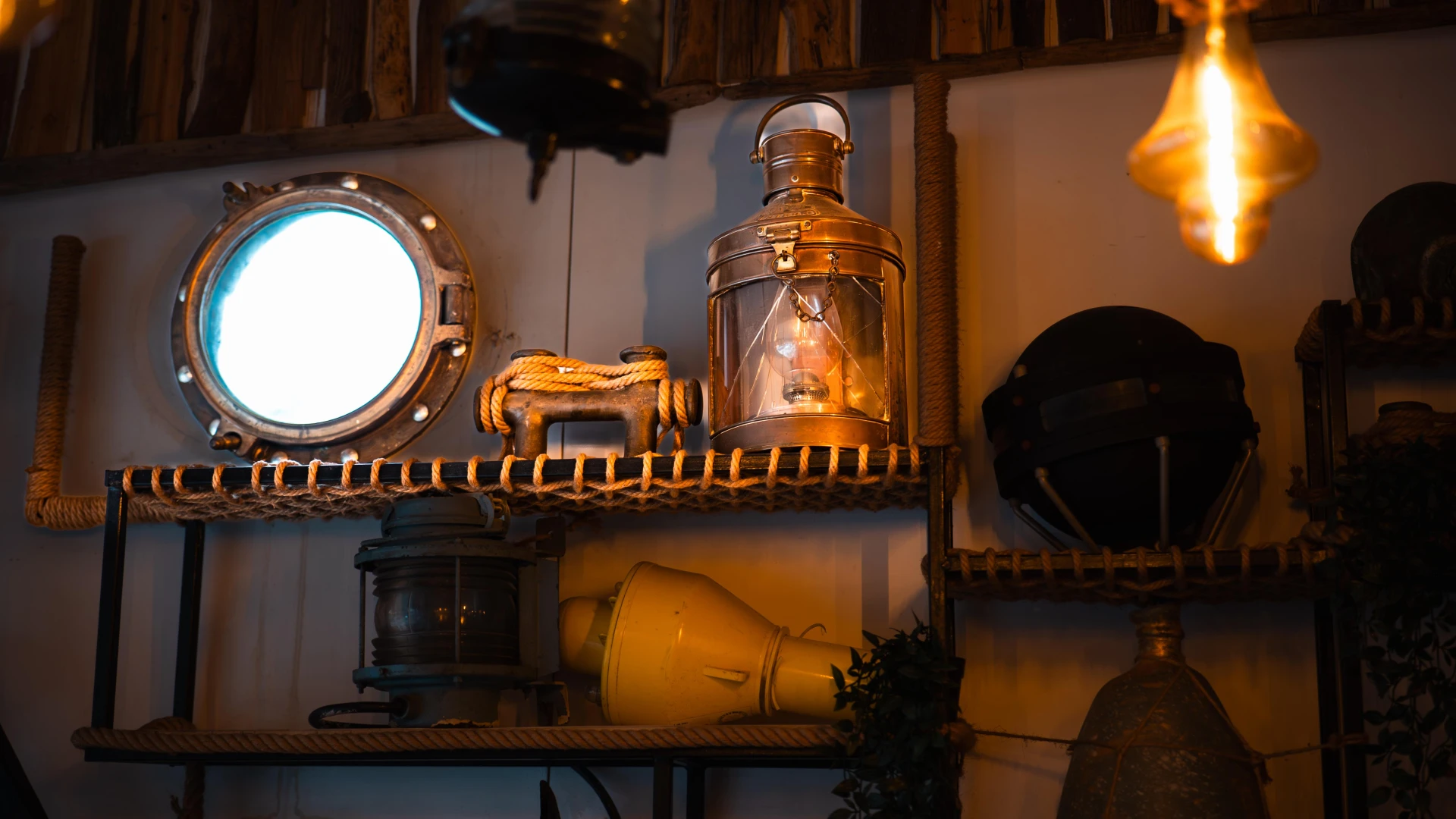
This bronze gas lantern, over 150 years old, was used aboard ships and merchant vessels to illuminate decks and cabins. Its sturdy bronze construction ensured durability in harsh maritime conditions, while the thick glass shielded the flame from strong winds. A true maritime relic, this lantern embodies the golden age of sea exploration and nautical craftsmanship.
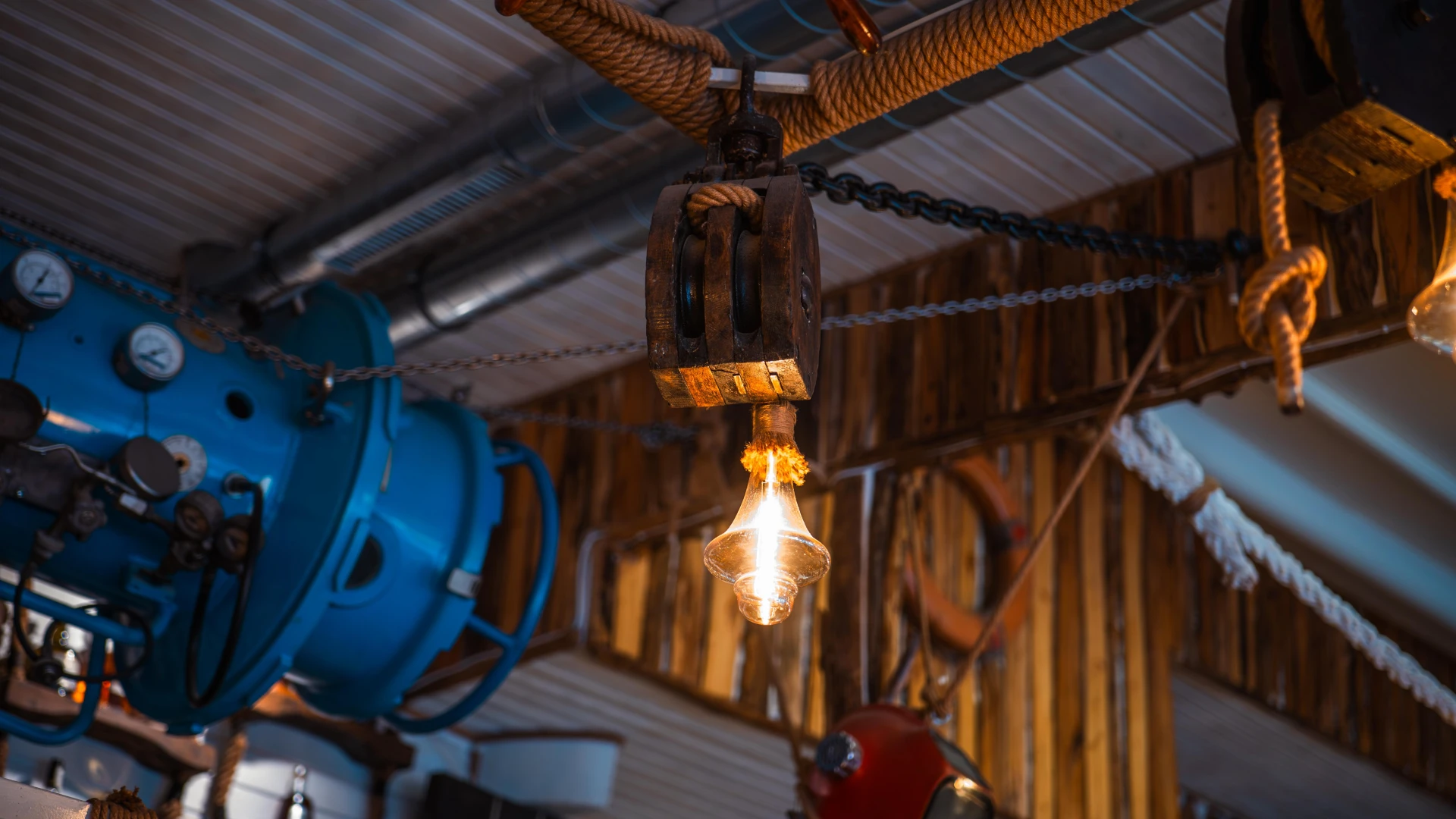
This wooden nautical pulley, over 200 years old, was an essential tool on sailing ships, used to hoist sails and lift heavy objects. Crafted from solid wood and metal, this robust mechanism was widely employed on merchant and military vessels, showcasing durability and efficiency in extreme maritime conditions. A true relic of traditional naval engineering.
This IRME ohmmeter is an essential device used for insulation resistance testing in maritime environments. Designed to measure electrical insulation resistance at high voltages, this tool was crucial for maintaining onboard electrical safety. With a compact and portable design, its precise scale enabled quick and reliable diagnostics, preventing failures and electrical hazards. Used by marine electricians and technicians, this device is an authentic piece of vintage maritime diagnostic equipment.
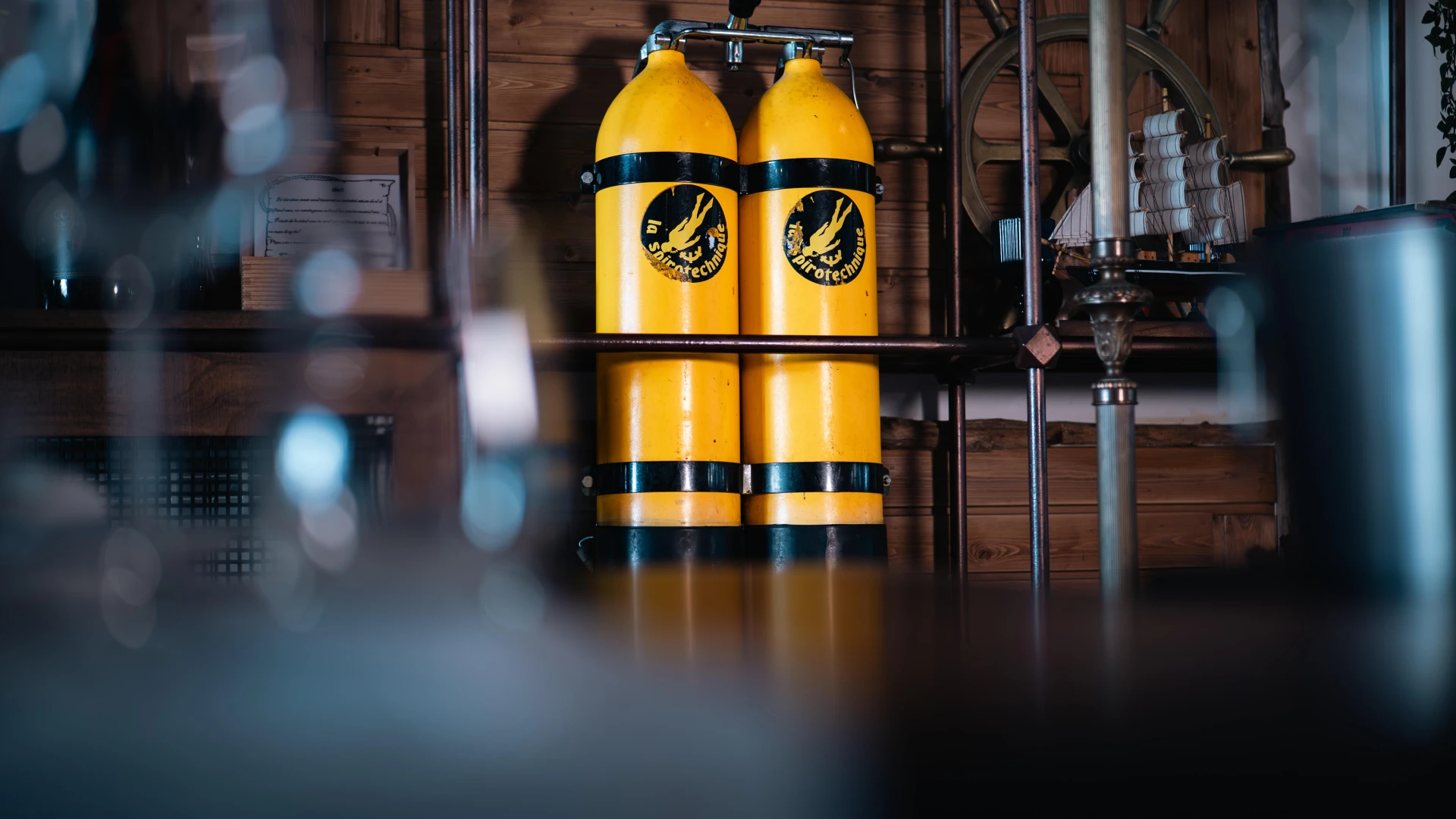
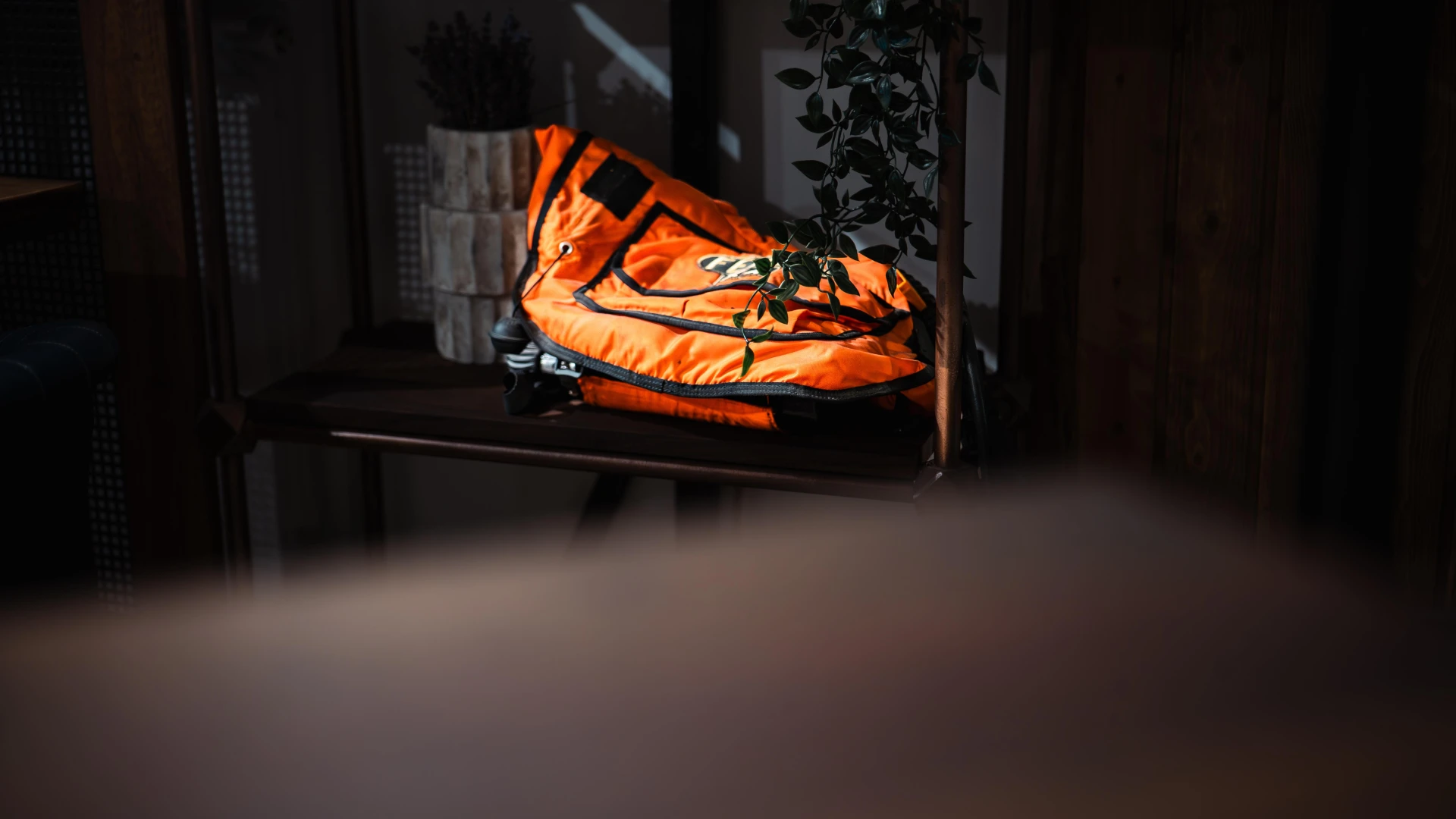
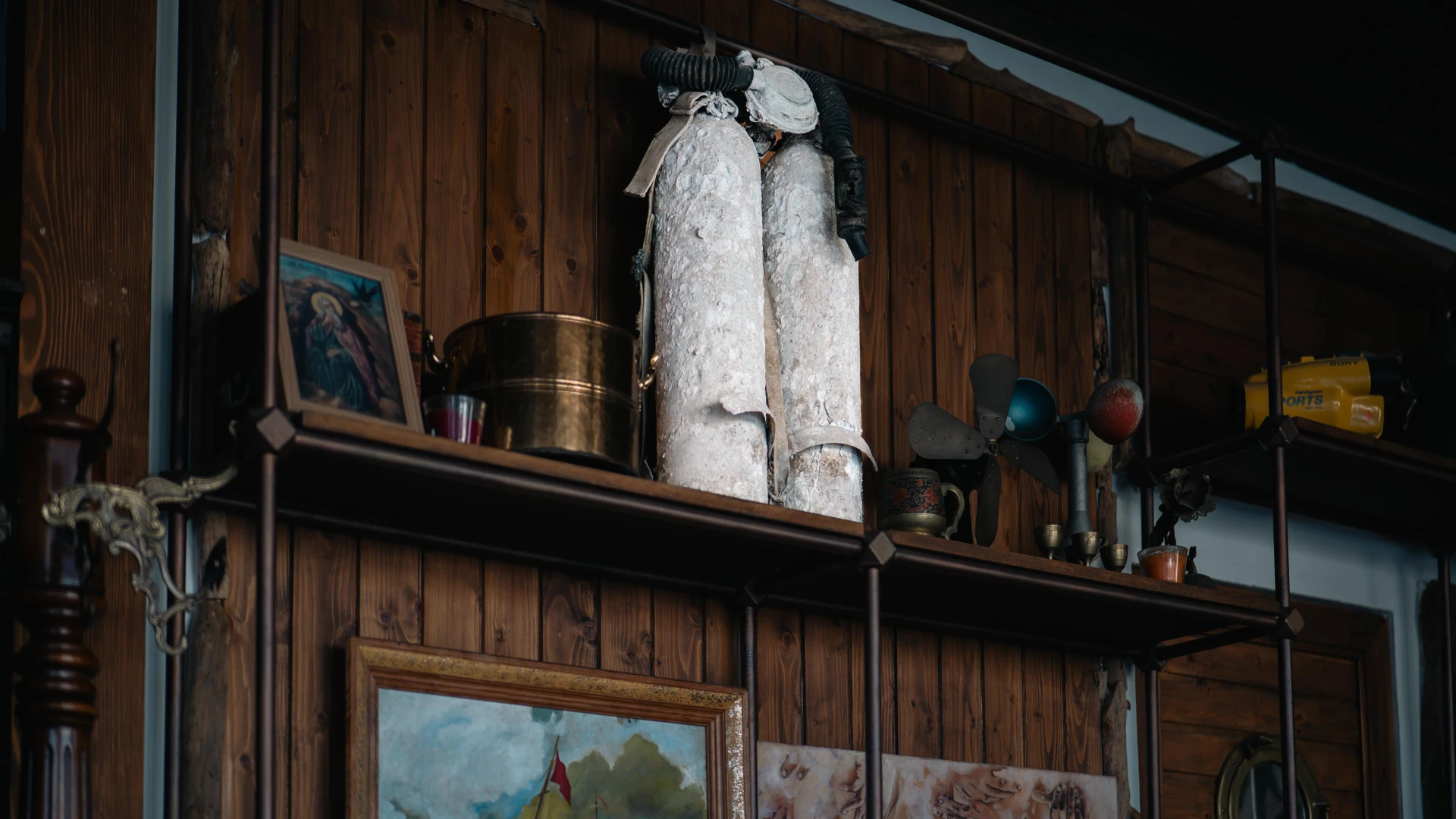
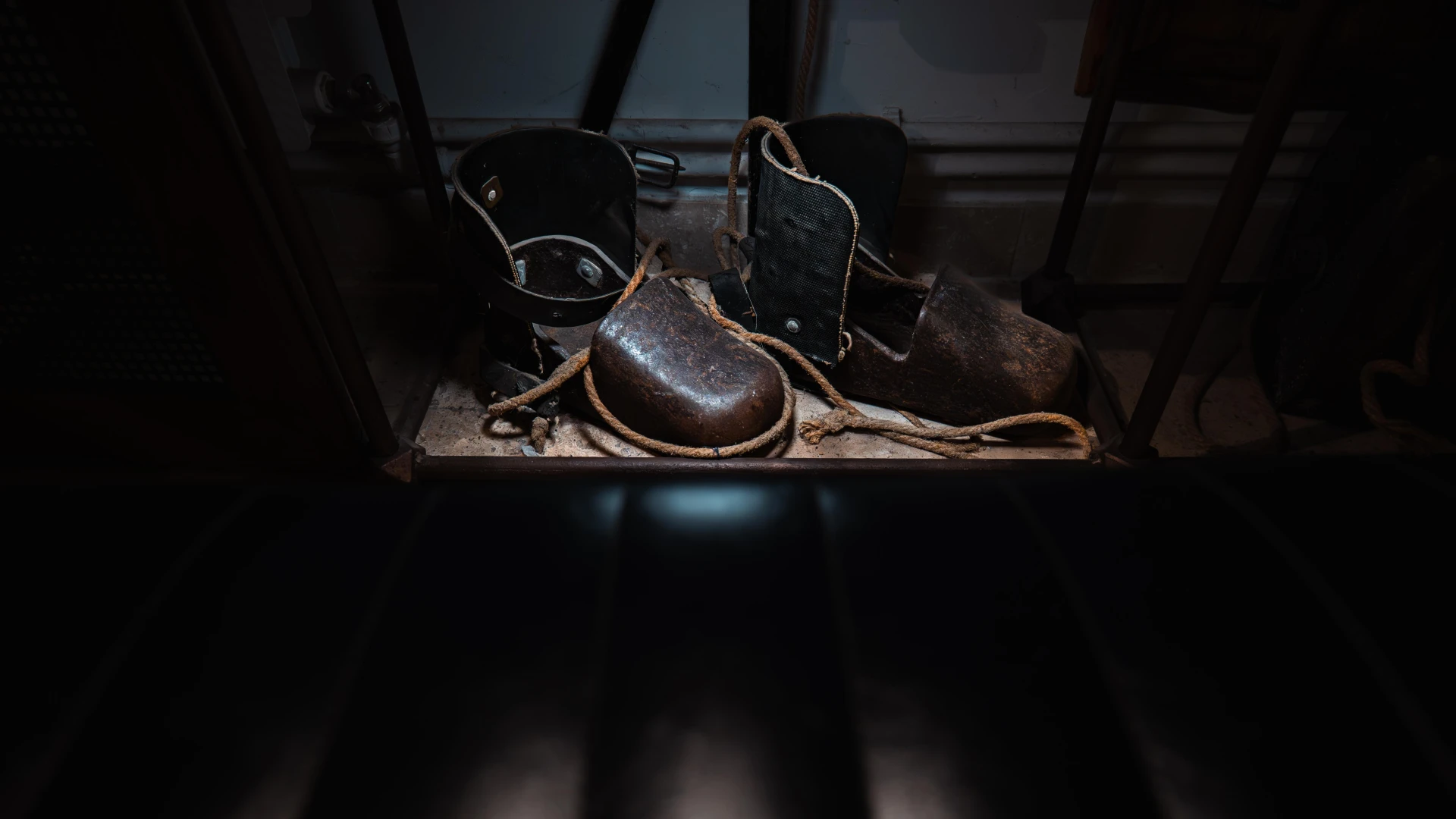
This Russian diving tank is a rare military relic from World War II, used by combat divers and special underwater units. Constructed from durable metal, with original canvas straps and metal buckles, this gear represents the Soviet engineering of the time. Its compact and efficient design enabled extended dives during strategic operations and military rescues. A genuine historical artifact, witnessing the underwater warfare tactics of the past.
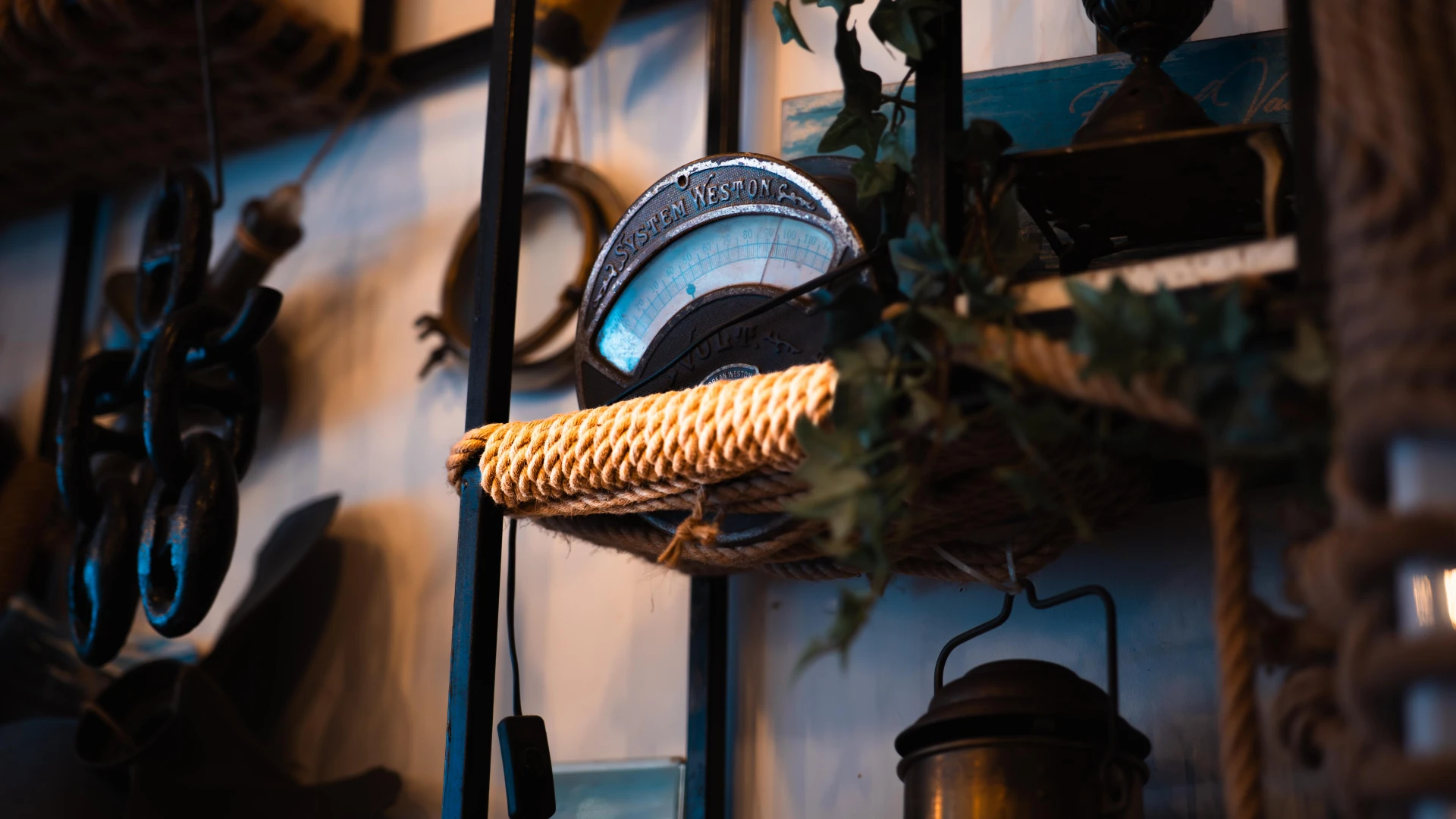
This American naval inclinometer is a crucial device for measuring a ship’s inclination during navigation. Used on commercial and military vessels, it helped crews maintain balance and safety in rough waters. Engineered with maritime precision, the Weston System inclinometer became a standard in naval operations, ensuring stability and control on the open sea.
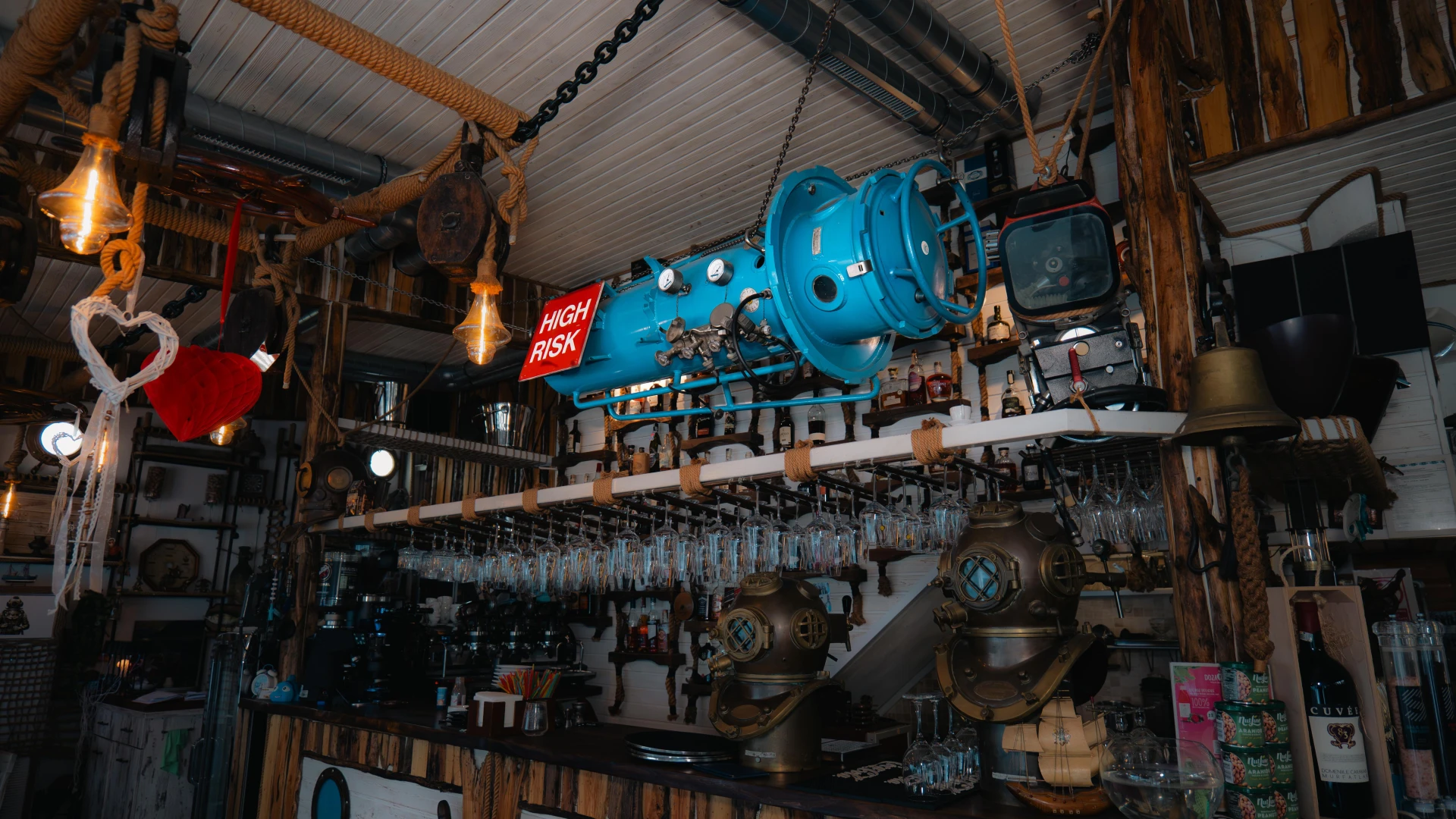
These authentic naval switches, once used on commercial ships, have been restored and repurposed for the Terasa cu Ancore bar. Fully functional and preserving their industrial aesthetic, these controls provide a tangible connection to maritime history. A unique detail that enhances the venue's nautical ambiance.
The IDA closed-circuit diving apparatus was used by Russian military divers during World War II for high-risk underwater missions. Designed for stealth operations, this system allowed divers to breathe without releasing bubbles, providing complete concealment in hostile waters. As one of the most advanced devices of its time, the IDA was essential for sabotage, reconnaissance, and covert missions. This rare artifact, preserved in remarkable condition, is now displayed at Terasa cu Ancore, offering a glimpse into the evolution of military diving technology.
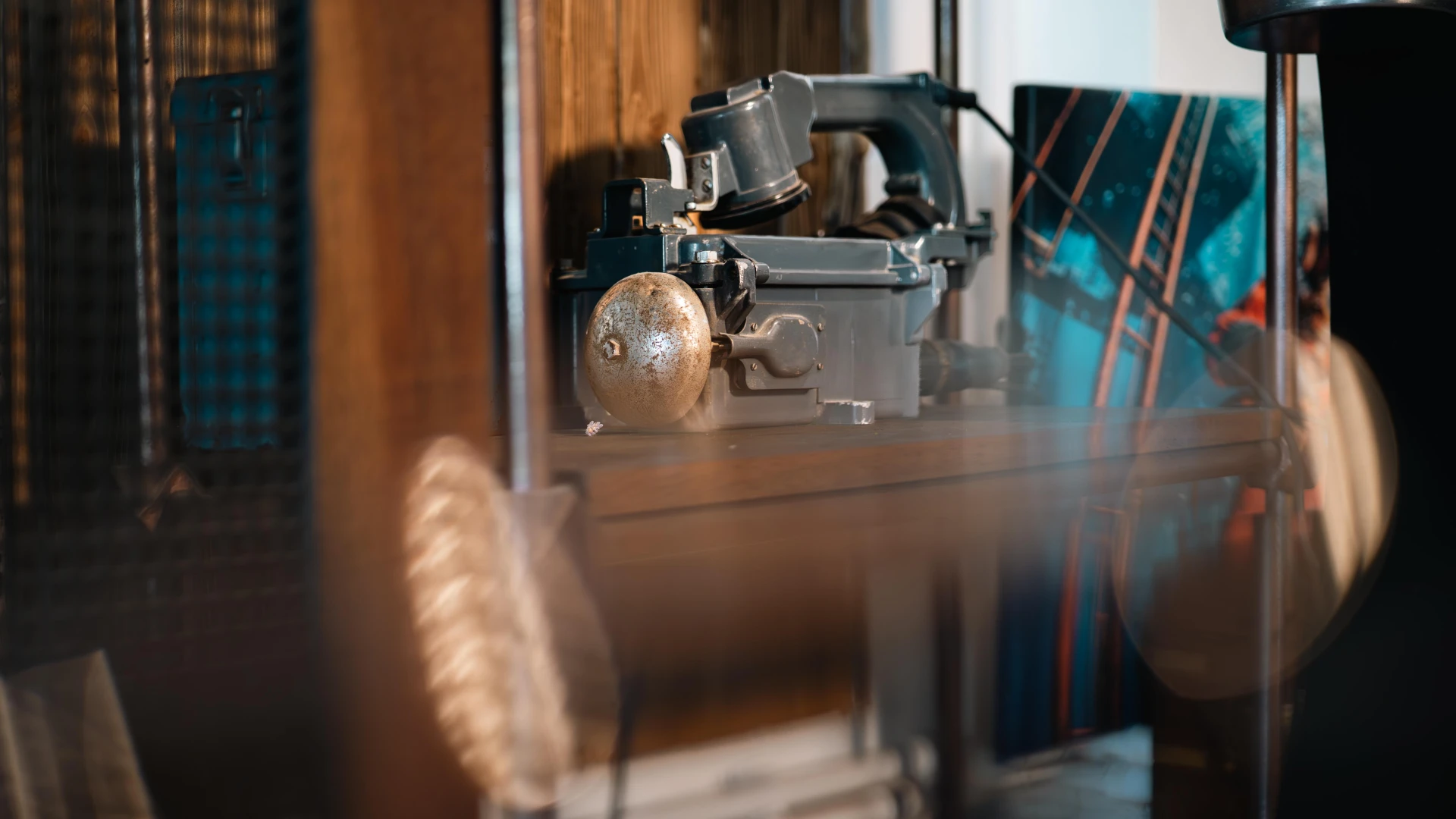
This naval telephone switchboard, equipped with a dynamo, was used on military, commercial ships, and submarines to ensure reliable internal communications. Designed for maximum reliability in extreme conditions, it allowed crew members to stay connected across key ship compartments, even in the event of a power failure. Its robust system and moisture-resistant technology made it a standard in maritime communications. Now displayed at Terasa cu Ancore, it showcases the evolution of naval technology.
This handcrafted nautical barrel, made by sailors, showcases maritime ingenuity. Built from solid wood with bronze accents, it served as storage for drinks and glasses, designed to fit into compact ship cabins. The top lid doubled as a serving table, maximizing functionality in limited spaces. A true nautical relic from life at sea.
This underwater scooter is an essential device for rapid movement underwater, used by military and technical divers. Its hydrodynamic design minimizes effort and maximizes dive autonomy. Deployed in rescue operations, exploration, and underwater construction, this model is optimized for maneuverability and safety in various marine conditions.
This red navigation light was used for indicating a vessel’s direction at night or in low visibility conditions. Placed on port or starboard, it played a critical role in collision prevention and compliance with international maritime regulations. Built with thick resistant glass and a durable metal casing, this light remains a symbol of safety and orientation at sea.
This marine inclinometer, used on commercial ships, accurately measures the vessel's tilt angle during navigation. Essential for maritime safety, it helps crews monitor ship stability and adjust cargo based on sea conditions. Built from durable materials, the inclinometer remains a standard instrument in the maritime industry. This historical model, once crucial for global navigation, is now displayed at Terasa cu Ancore.
This English manual compressor, crafted from mahogany wood and bronze pistons, was used to supply air to heavy divers. Featuring two powerful pistons, it could support two divers simultaneously during underwater operations. Its durable design and reliable mechanism made it an essential tool for historical deep-sea explorations. A rare piece of maritime engineering.
This La Spirotechnique helmet, a French prototype for deep-sea diving, operates with surface-supplied air and a helium-oxygen gas mix. Featuring a large, watertight visor, it provides optimal visibility in extreme underwater conditions. Used in technical and research diving, this rare piece marks a significant step in the evolution of deep-sea equipment.
This ship’s helm, recovered by the NemoProDiving commercial diving team, once guided a now-sunken vessel. Made of solid wood and metal, it symbolizes control and maritime mastery. Designed for precise navigation, each spoke helped steer the ship safely through challenging waters. A true nautical relic, honoring the craftsmanship of ancient seafarers.
This air pressure regulator was used to adjust the airflow to divers' demand valves, ensuring controlled breathing at depth. Essential for professional and military diving, it provided precise air management for underwater operations. Built with durable materials to withstand extreme conditions, this device represents the engineering accuracy required for deep-sea exploration.
This English stern/bow lantern, crafted from solid brass, was used on ships for signaling and nighttime illumination. Its sturdy design and corrosion-resistant materials ensured long-term functionality in harsh maritime conditions. The thick glass shielded the internal flame from wind and water, providing sailors with a reliable source of light during dark nights at sea. A historic maritime artifact that preserves the elegance of its era.
This Soviet diving helmet, a vintage model used in military and industrial underwater operations, showcases the durability and engineering of its era. Made from copper and brass, it was designed for deep-sea dives, ensuring maximum protection. Alongside it, the two propellers belonged to a high-speed military vessel, engineered for agility and superior performance at sea. These remarkable artifacts are now displayed at Terasa cu Ancore, preserving maritime and diving history.