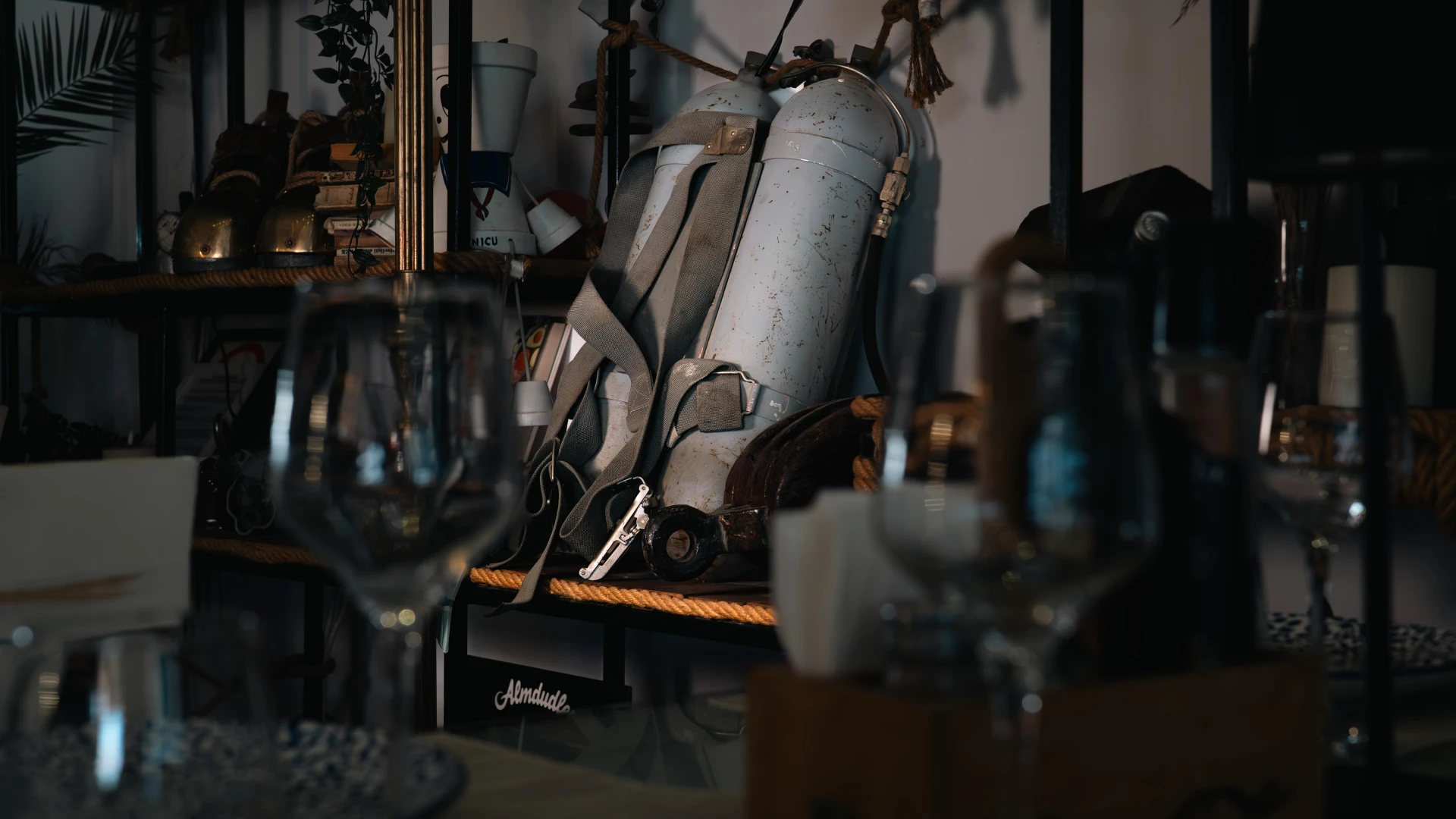
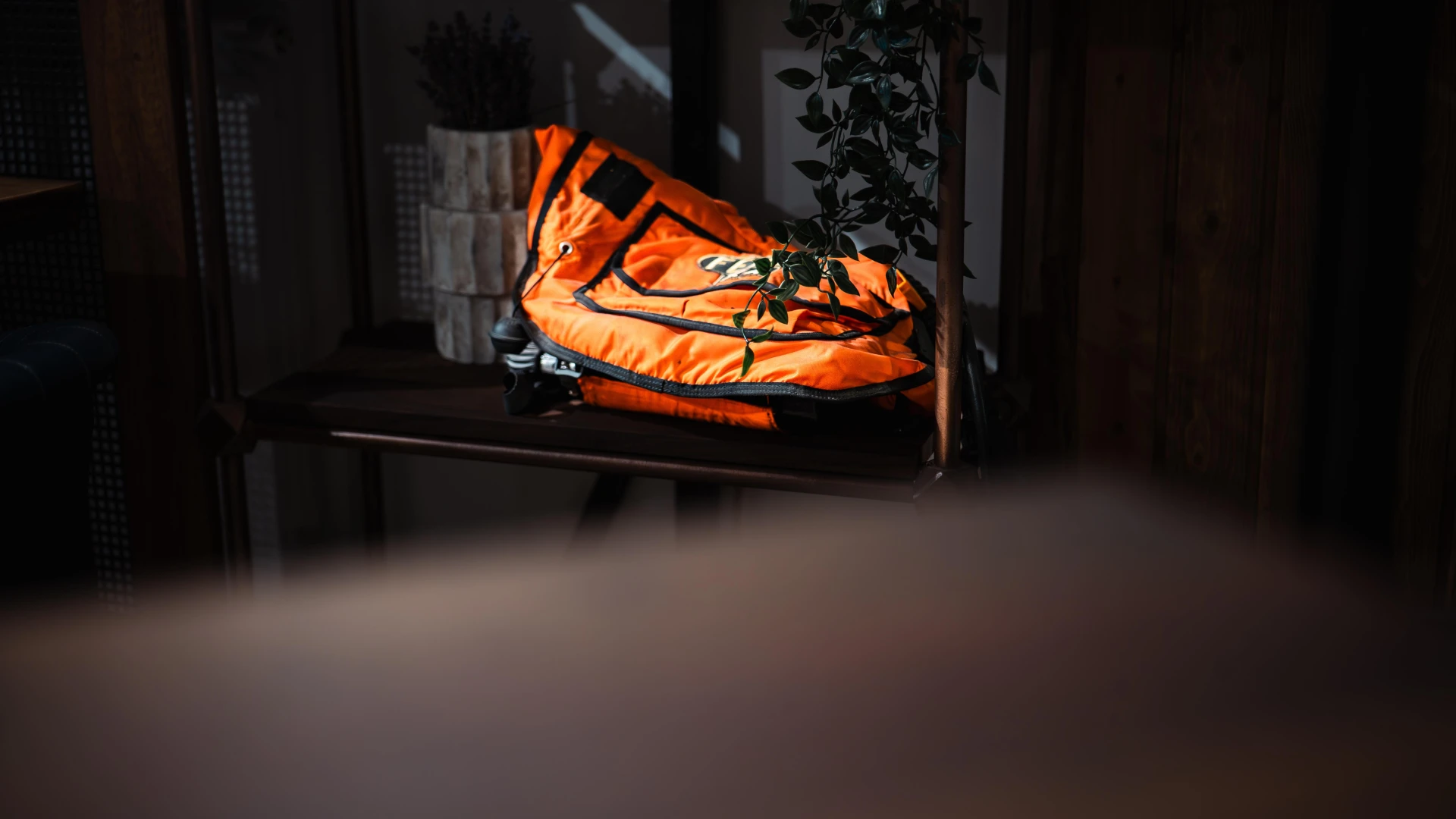
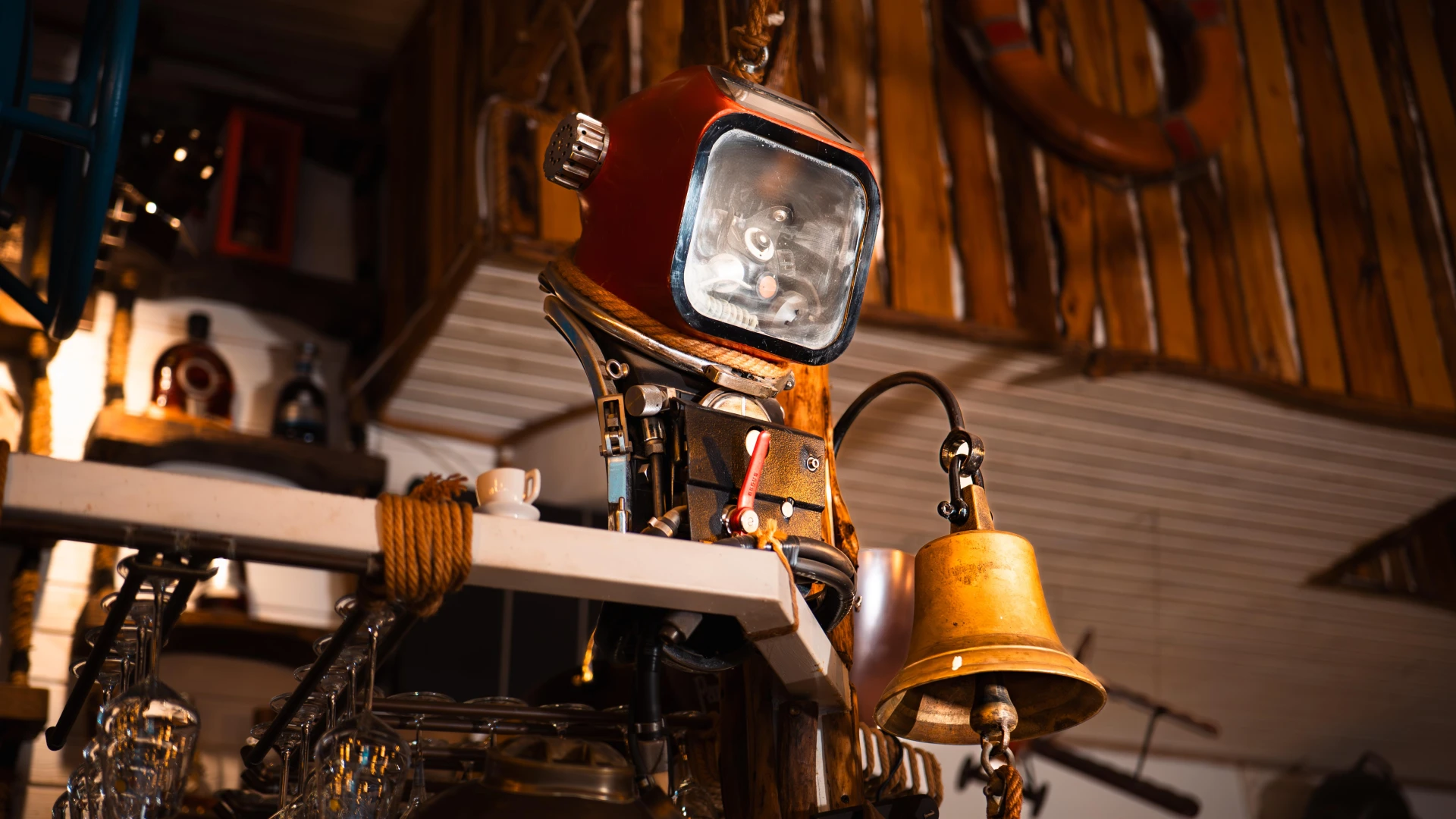
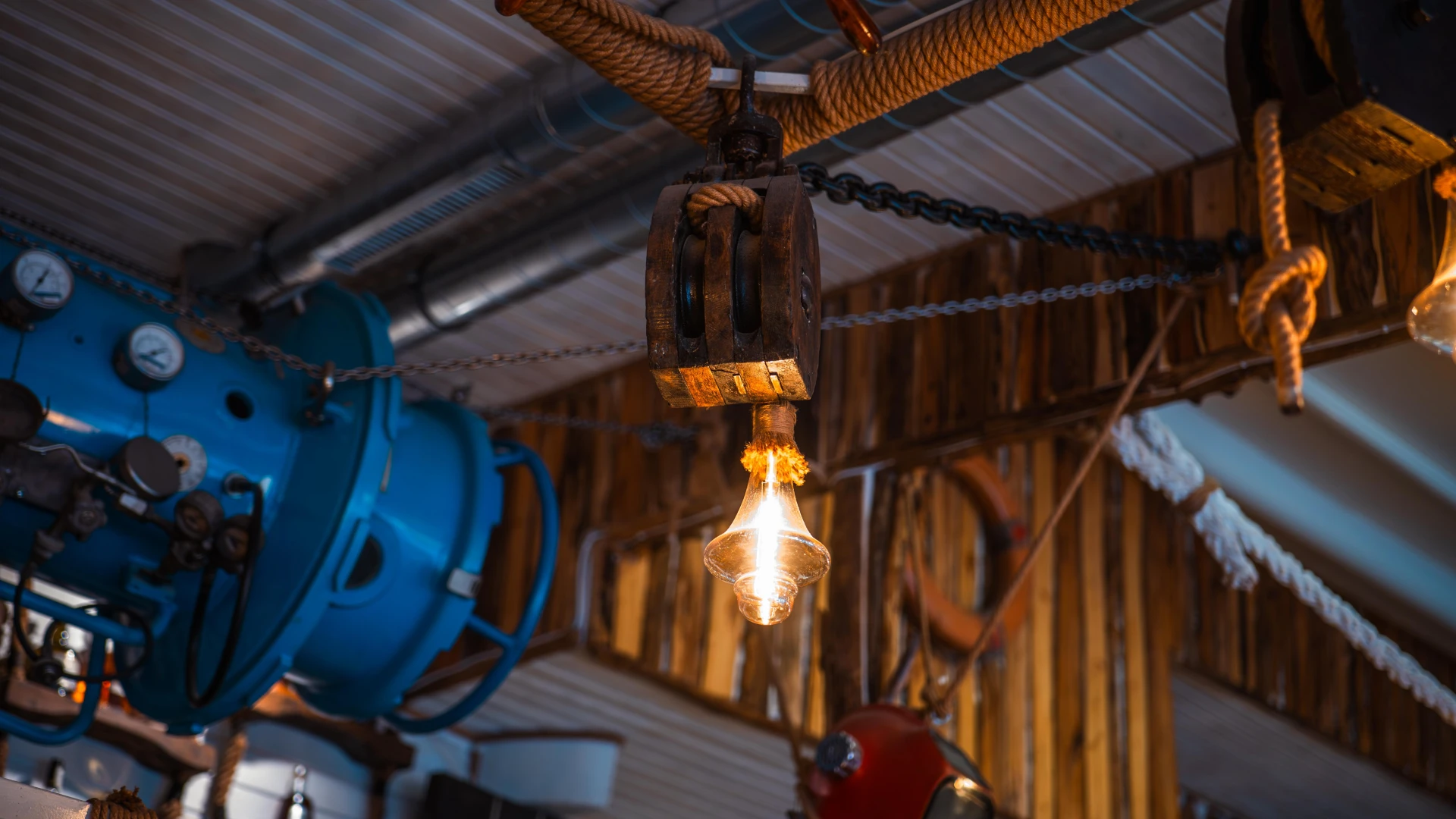
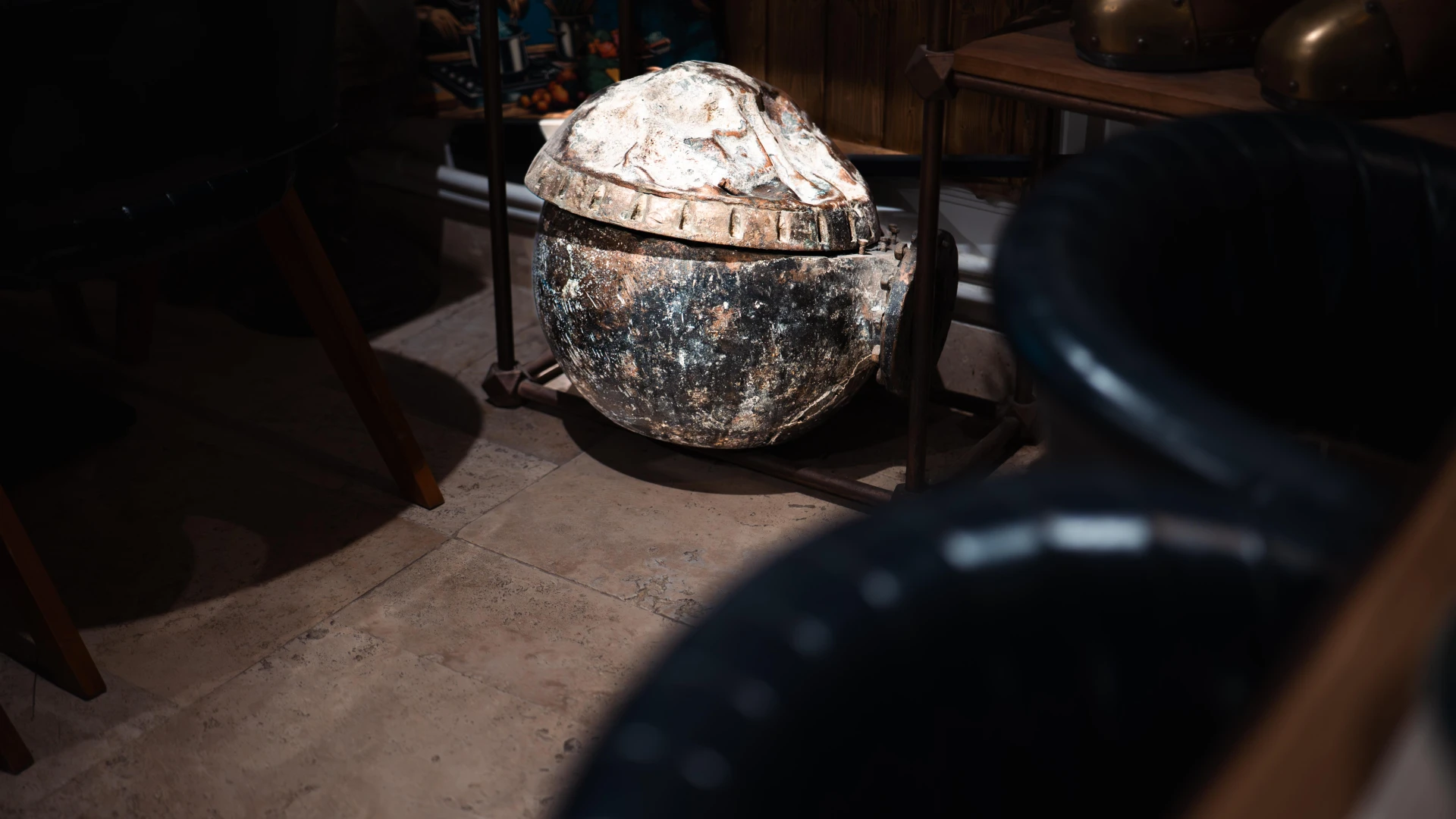
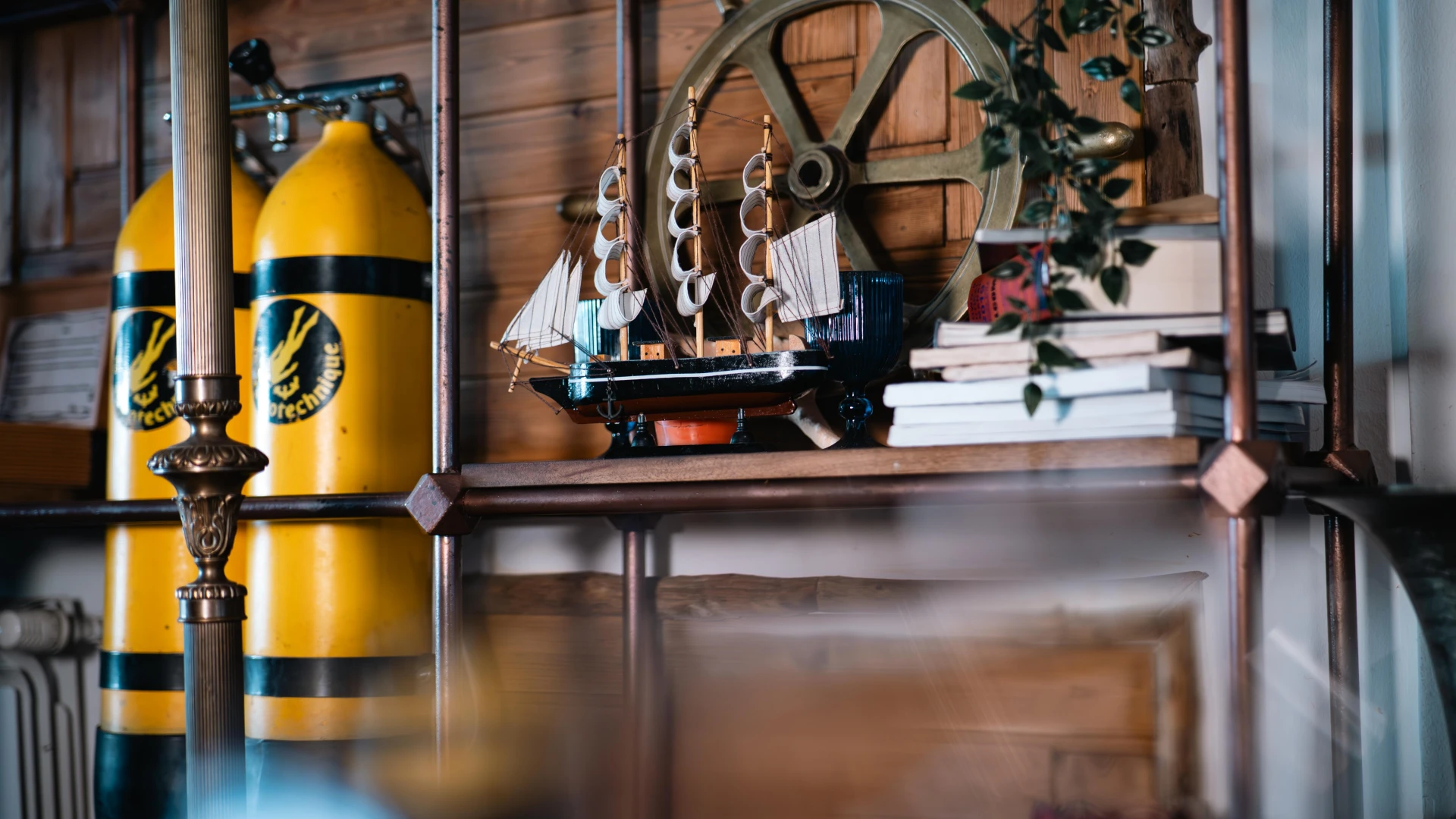
This Russian diving tank is a rare military relic from World War II, used by combat divers and special underwater units. Constructed from durable metal, with original canvas straps and metal buckles, this gear represents the Soviet engineering of the time. Its compact and efficient design enabled extended dives during strategic operations and military rescues. A genuine historical artifact, witnessing the underwater warfare tactics of the past.
This Soviet naval radar, produced during the CCCP era, was used on commercial and military ships for target detection and maritime tracking. With Russian inscriptions, this advanced system enabled precision navigation and tactical surveillance, essential for naval operations. Durable and highly reliable, it was a core instrument in Soviet fleets, enhancing maritime security. This historic model is now displayed at Terasa cu Ancore, showcasing past radar technology.
This manual air distribution panel, built in Germany 80 years ago, supplied two divers simultaneously from a single hand-operated air pump. Equipped with pressure gauges and adjustable valves, it was essential for surface-supplied diving, allowing precise air control. A rare and fascinating piece of historical diving technology.
This SMT military diving apparatus is an amagnetic closed-circuit system used for covert underwater missions. It recycles exhaled gases, preventing bubbles and ensuring stealth operation. Designed for military divers, this elite equipment played a crucial role in special operations and deep-sea engineering tasks.
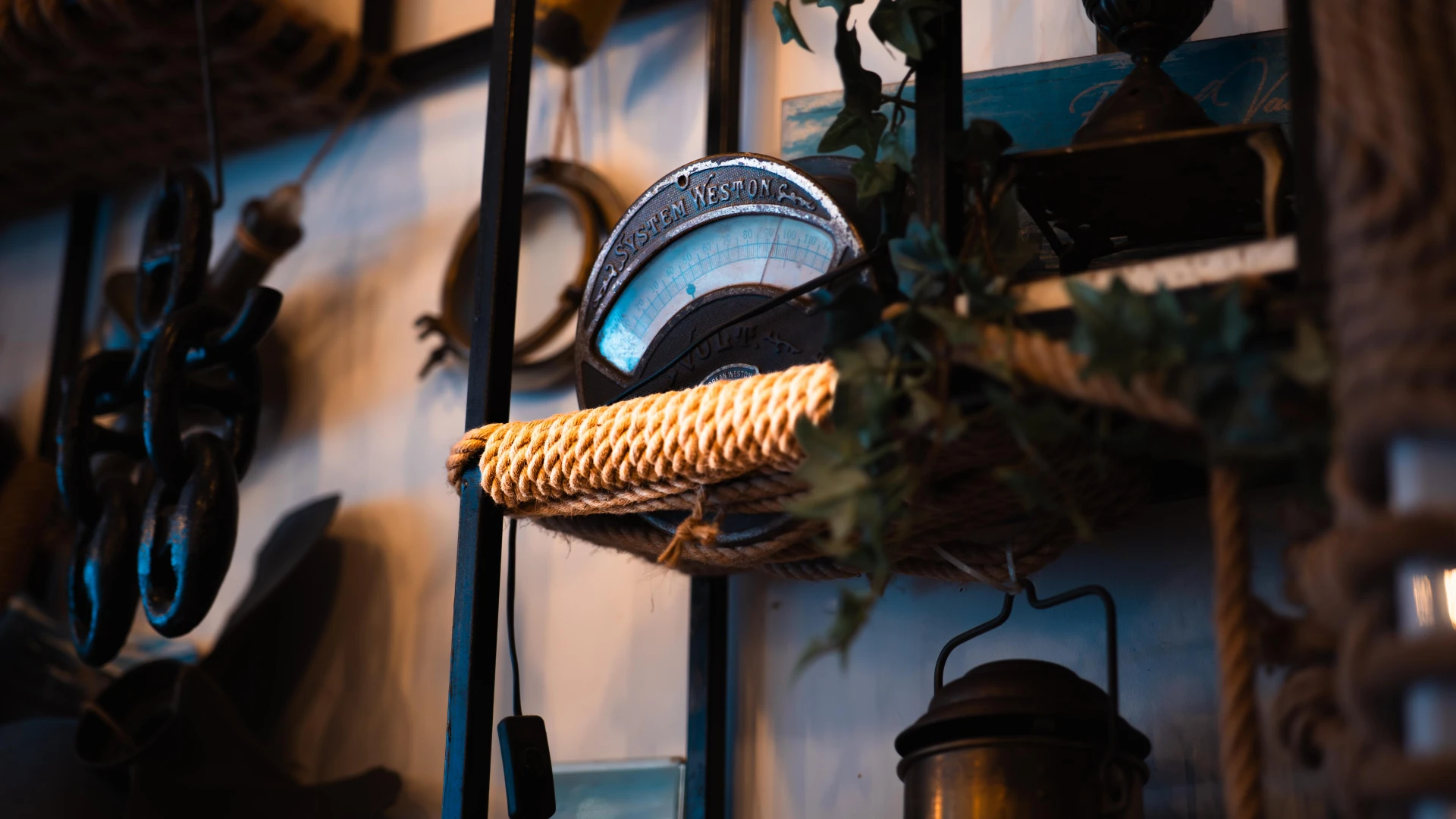
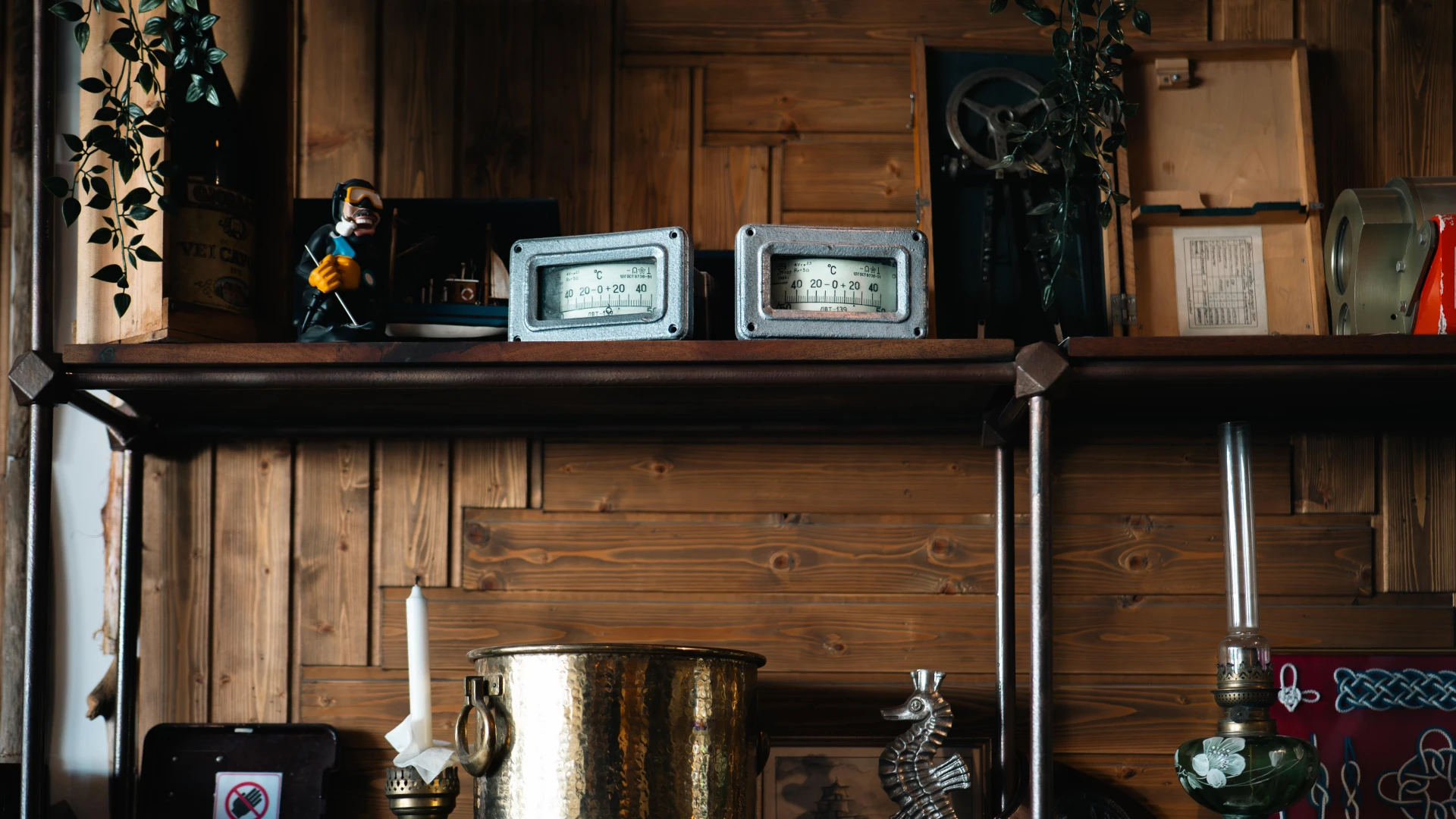
This American naval inclinometer is a crucial device for measuring a ship’s inclination during navigation. Used on commercial and military vessels, it helped crews maintain balance and safety in rough waters. Engineered with maritime precision, the Weston System inclinometer became a standard in naval operations, ensuring stability and control on the open sea.
This air pressure regulator was used to adjust the airflow to divers' demand valves, ensuring controlled breathing at depth. Essential for professional and military diving, it provided precise air management for underwater operations. Built with durable materials to withstand extreme conditions, this device represents the engineering accuracy required for deep-sea exploration.
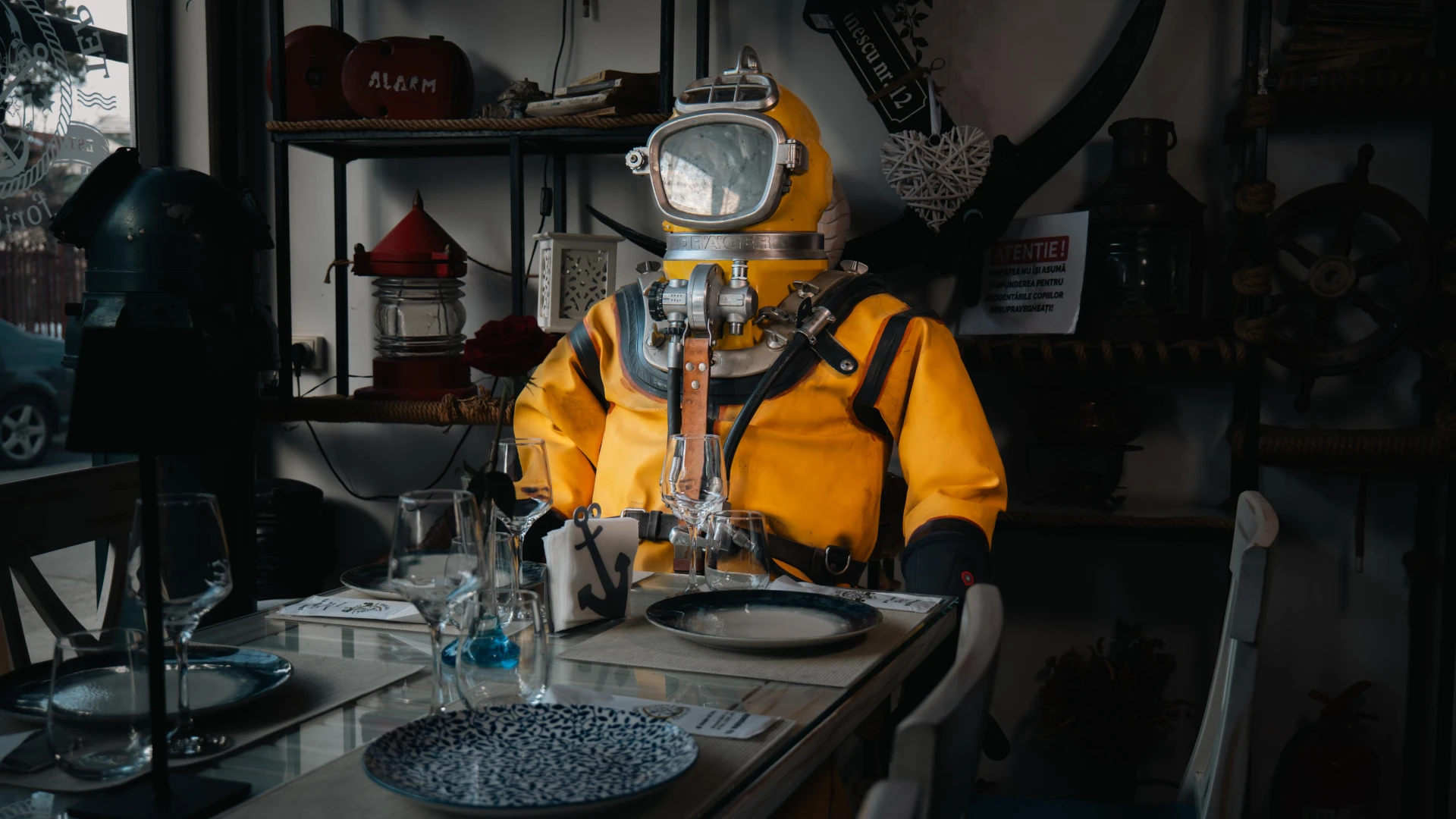
Designed for extreme missions, this Dräger heavy diving suit (1960-1970) was used for contaminated water operations and surface-supplied underwater work. Made from materials resistant to chemicals and biological hazards, this suit provided maximum protection and complete sealing. A true symbol of industrial diving, it played a crucial role in high-risk technical interventions, proving unmatched reliability and safety.
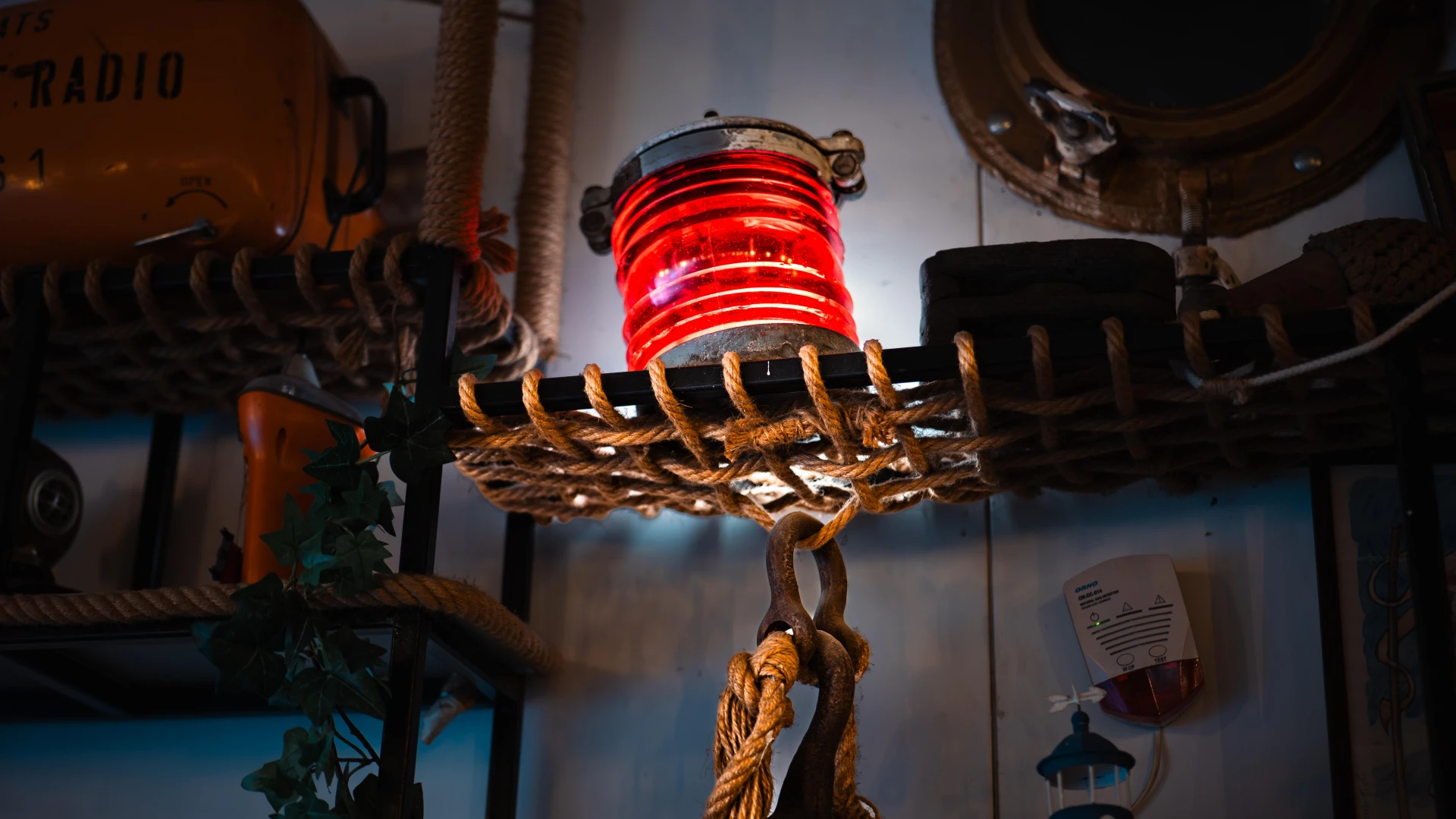
This English stern/bow lantern, crafted from solid brass, was used on ships for signaling and nighttime illumination. Its sturdy design and corrosion-resistant materials ensured long-term functionality in harsh maritime conditions. The thick glass shielded the internal flame from wind and water, providing sailors with a reliable source of light during dark nights at sea. A historic maritime artifact that preserves the elegance of its era.
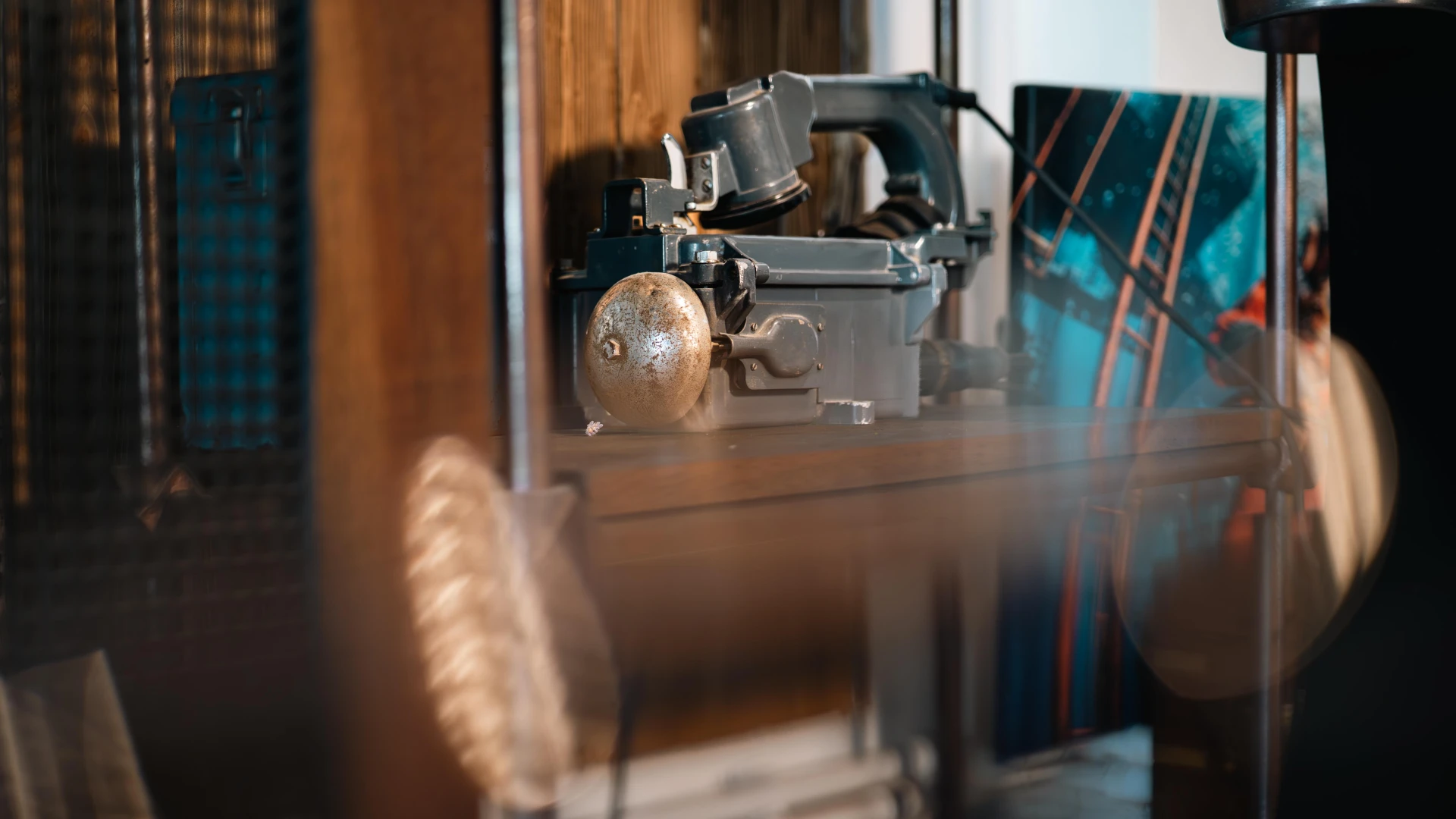
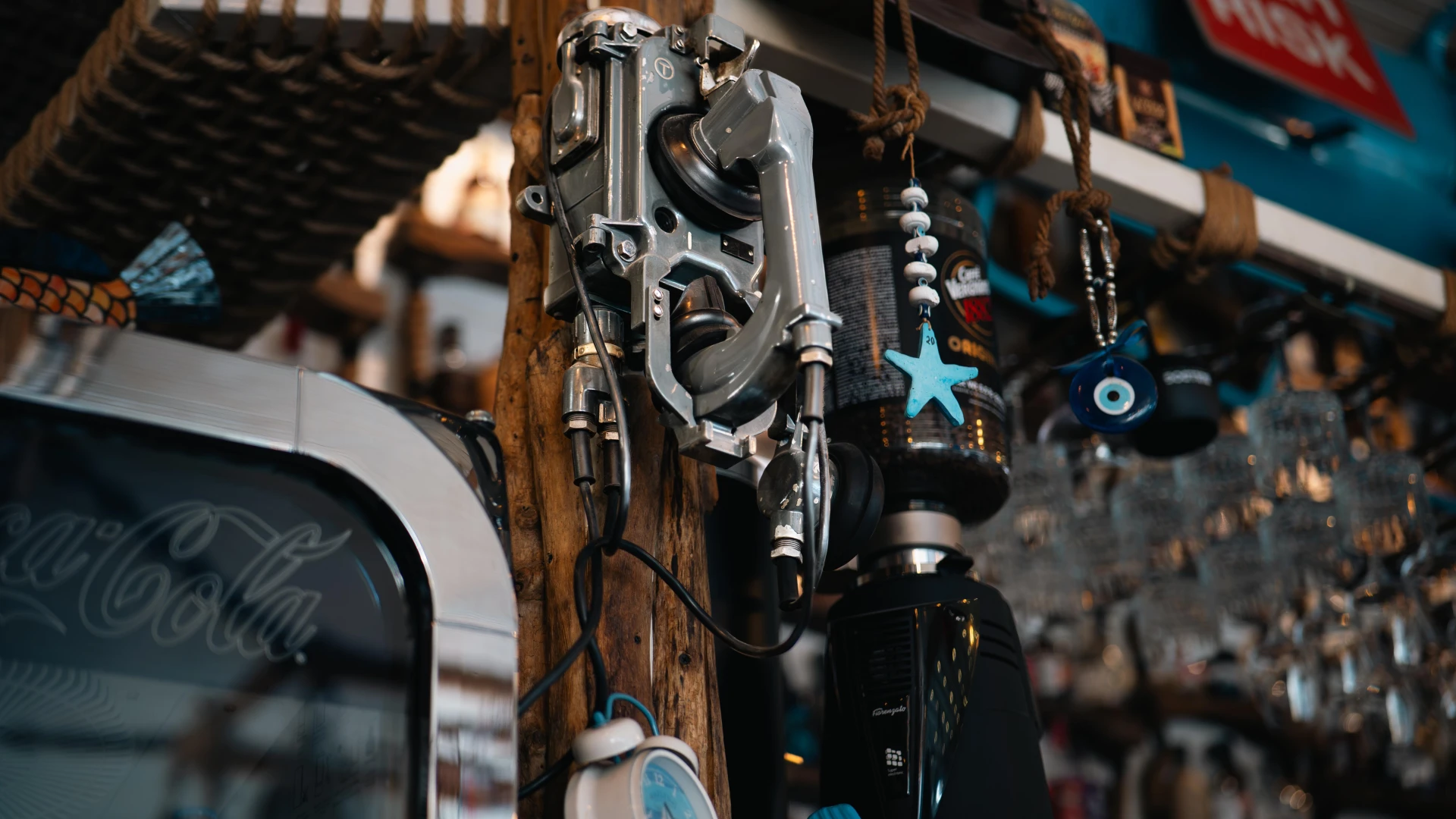
This naval telephone exchange was a vital communication system used on military and commercial ships, ensuring efficient crew coordination. Built to withstand extreme humidity and vibrations, it was commonly installed on submarines and warships for reliable signal transmission even in harsh conditions. Now a historical naval artifact, this resilient piece of maritime technology is displayed at Terasa cu Ancore, showcasing traditional naval communication methods.
This military ship compass was a crucial tool for precision maritime navigation, used on warships and commercial vessels to maintain accurate direction in challenging conditions. Built from durable metal and engineered for maximum stability, it ensured the safety of crews for decades. A symbol of maritime exploration, essential in both classic and modern navigation.
The wood used in the decor of Terasa cu Ancore was reclaimed by divers from NemoProDiving from the bottom of dams during commercial diving operations. It originates from Bacău Poiana Uzului, Firiza Baia Mare, and Porțile de Fier 1 & 2 Dams. After extraction, it was dried, restored, and repurposed, giving the location a unique and authentic maritime touch.
This watertight maritime telephone was a crucial device for emergency communication on military and commercial ships. Built with a shockproof and waterproof metal casing, it was used on decks and in engine rooms, ensuring clear transmission of commands even in extreme conditions. Featuring a moisture-proof system, this robust model played a key role in secure onboard communications for decades.
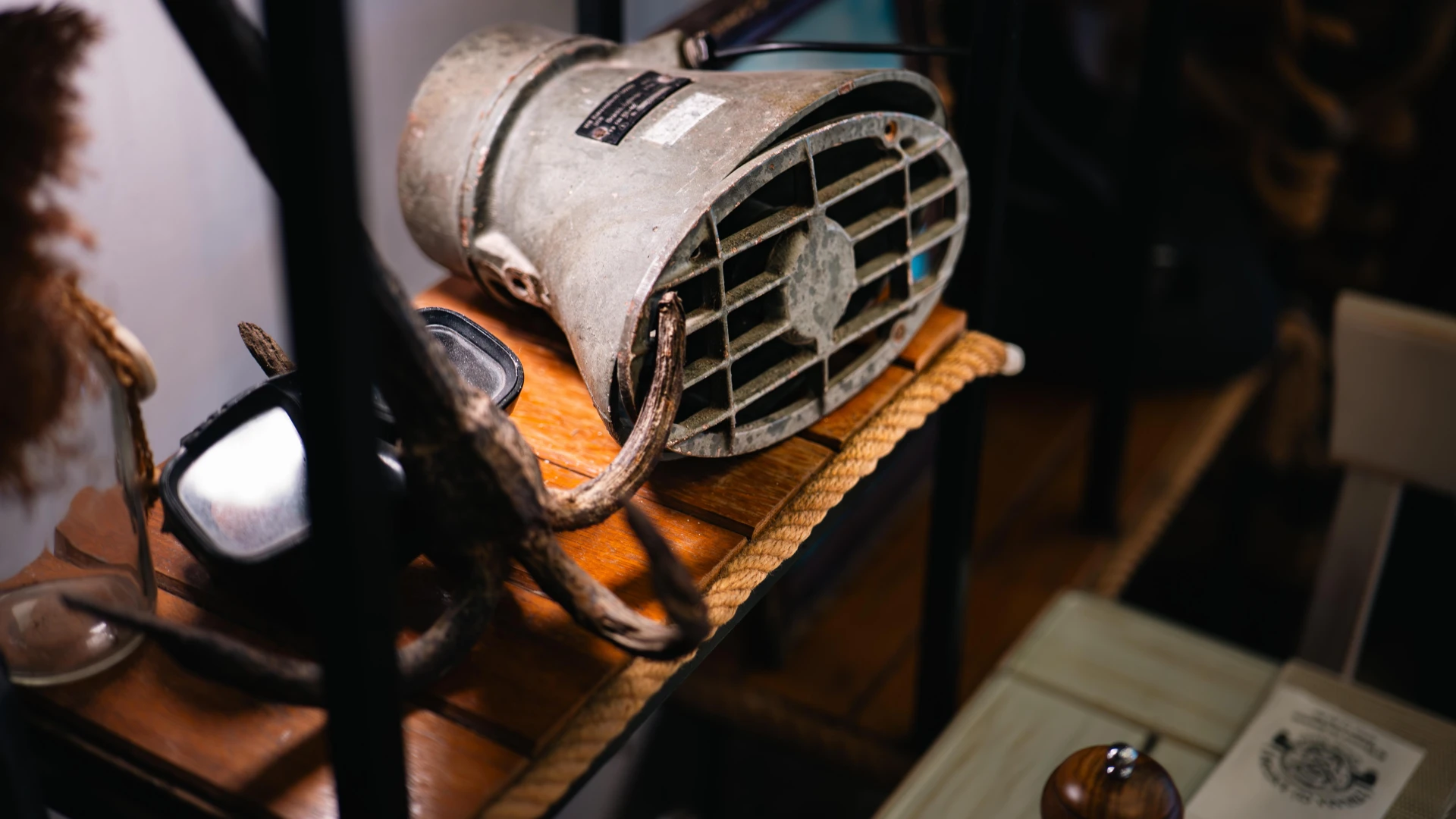
This Russian air compressor, designed for a single diver, was used on small boats and vessels. Built from durable metal, it was manually operated to provide breathable air during dives. Its compact and efficient design made it ideal for individual underwater missions, ensuring a steady air supply in demanding environments. A crucial relic of past diving technology.
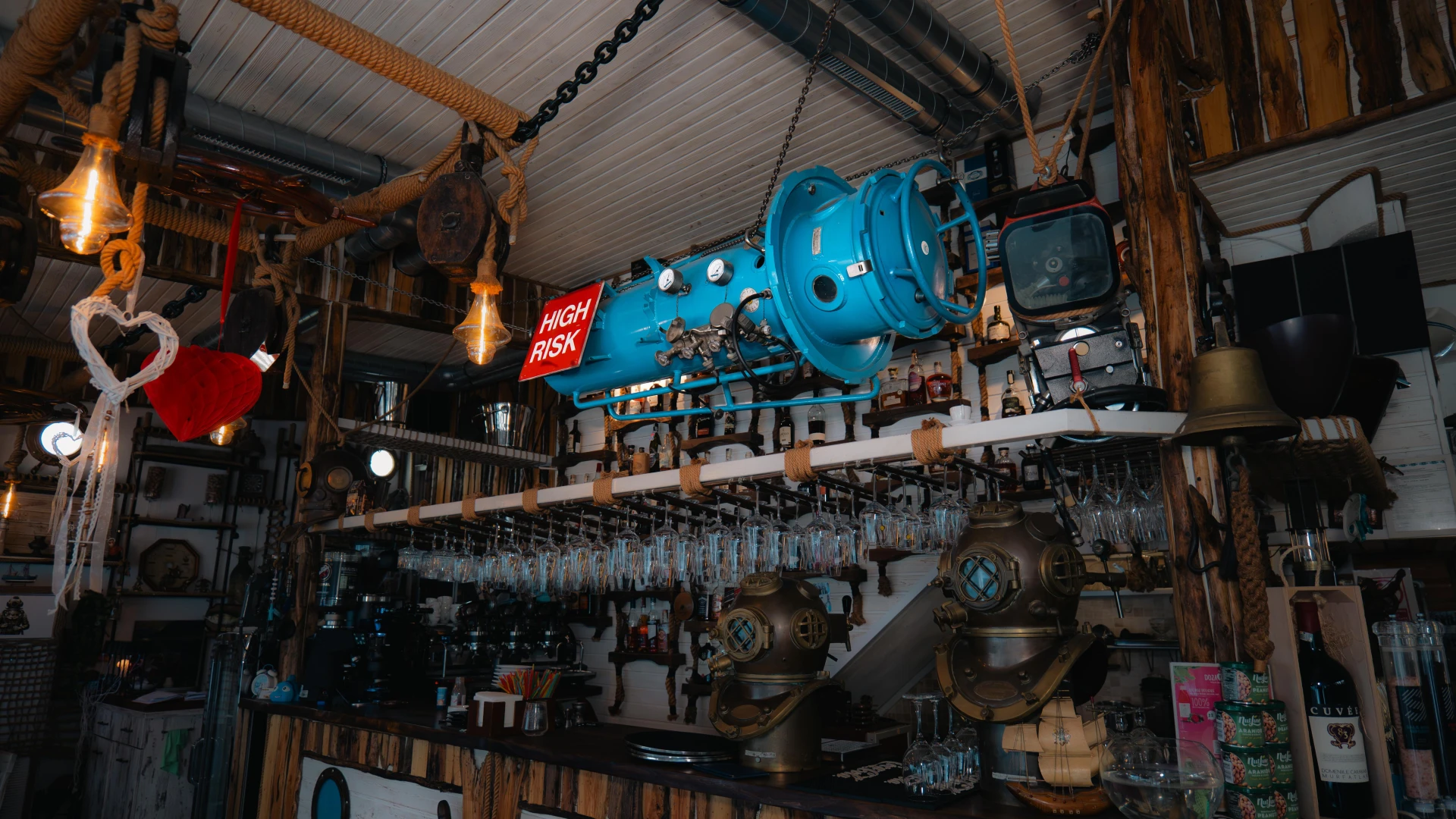
These unique beer dispensers are made from authentic American heavy diving helmets, repurposed into a stunning bar feature. Originally used in commercial diving, these brass helmets have been restored and integrated into the Terasa cu Ancore bar, offering a one-of-a-kind experience for beer lovers. A true tribute to maritime heritage and the world of underwater exploration.
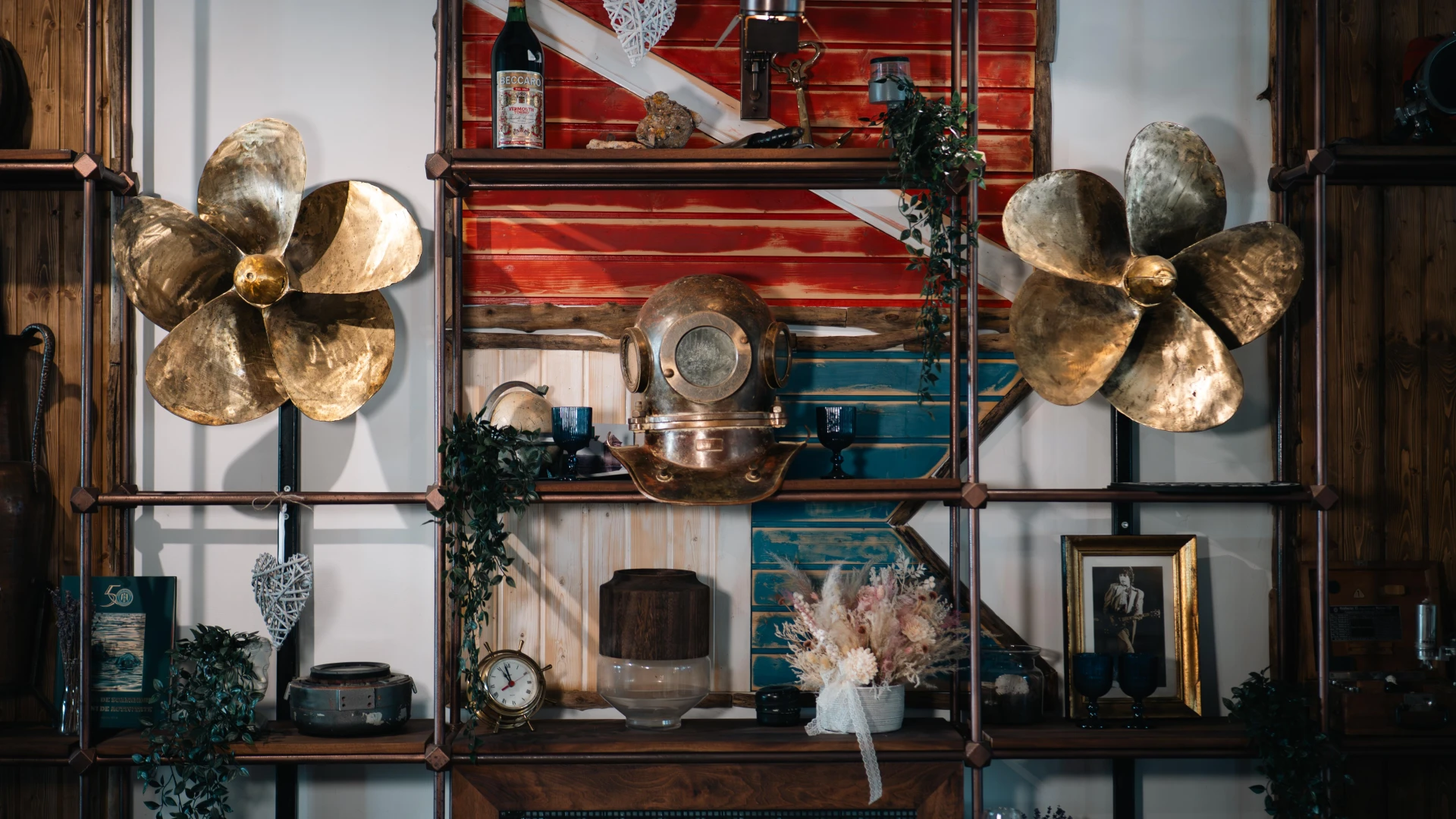
This Soviet diving helmet, a vintage model used in military and industrial underwater operations, showcases the durability and engineering of its era. Made from copper and brass, it was designed for deep-sea dives, ensuring maximum protection. Alongside it, the two propellers belonged to a high-speed military vessel, engineered for agility and superior performance at sea. These remarkable artifacts are now displayed at Terasa cu Ancore, preserving maritime and diving history.
This heavy diving helmet, painted in a distinctive yellow, was used by American divers for military and commercial underwater operations. Designed for enhanced safety and visibility, it represents a crucial part of deep-sea exploration history. Alongside it, a vintage naval clock, once used on ships to track maritime operations, adds a touch of authenticity to this historical maritime collection at Terasa cu Ancore.
This handcrafted nautical barrel, made by sailors, showcases maritime ingenuity. Built from solid wood with bronze accents, it served as storage for drinks and glasses, designed to fit into compact ship cabins. The top lid doubled as a serving table, maximizing functionality in limited spaces. A true nautical relic from life at sea.
The mooring bitt is a fundamental naval component used to secure ropes and mooring lines on ships. Made of solid metal, it ensured vessel stability during docking and anchoring operations. This particular bitt was recovered by the NemoProDiving commercial diving team, preserving its maritime legacy.
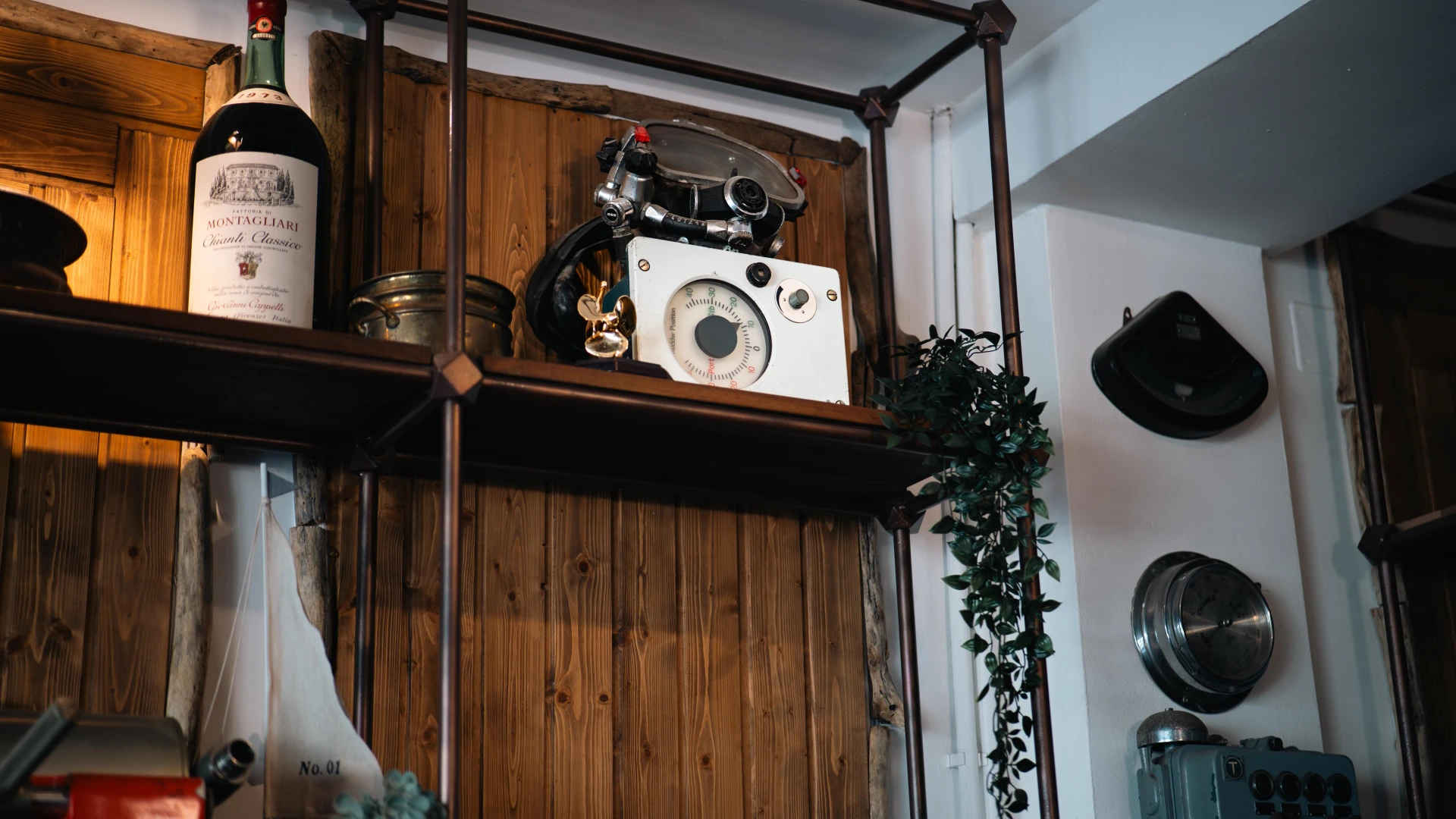
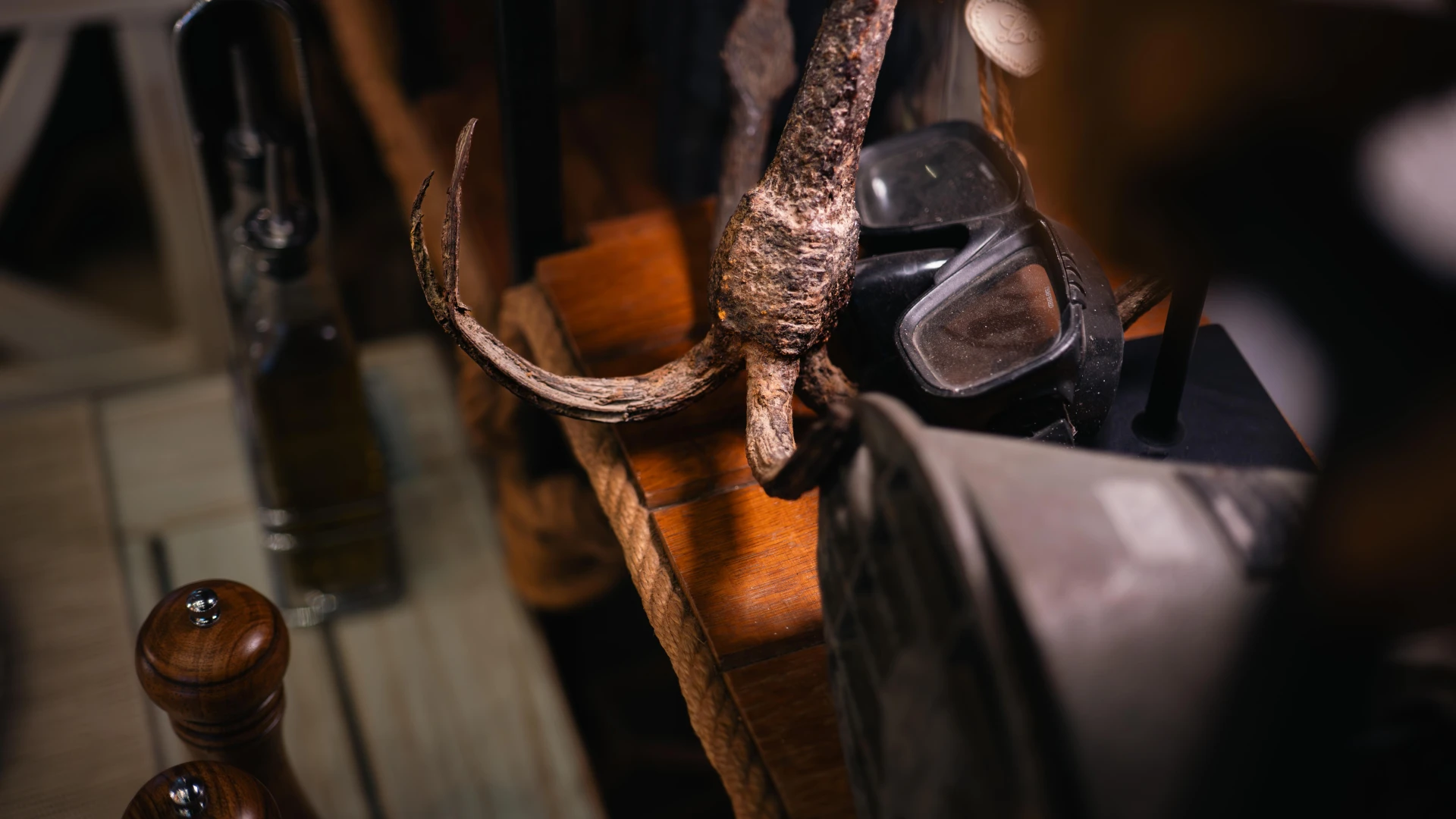
This professional diving mask, used in technical underwater operations, ensured controlled breathing and safety for divers in extreme environments. Featuring adjustable valves, it allowed optimal air regulation, crucial for subsea missions. Alongside it, a rudder position indicator, a vital navigation tool, helped commercial ship crews monitor and adjust the ship's direction with high precision. These historical maritime artifacts are now displayed at Terasa cu Ancore.
This Admiralty anchor is a crucial element in maritime navigation, widely used on commercial and military vessels to ensure stability during anchoring. With its classic design, it is renowned for its reliability and durability in all sea conditions. Recovered and restored, this historical piece stands as a reminder of maritime traditions and the importance of safety at sea.
This naval coil phone, used on commercial ships and military submarines, ensured effective communication in high-noise environments and extreme conditions. Its self-powered transmission system made it indispensable for emergency situations, and it is still in use today for specific maritime applications. Compact and durable, this device showcases the reliability of classic naval equipment. Displayed at Terasa cu Ancore, it stands as a key artifact in maritime communication history.
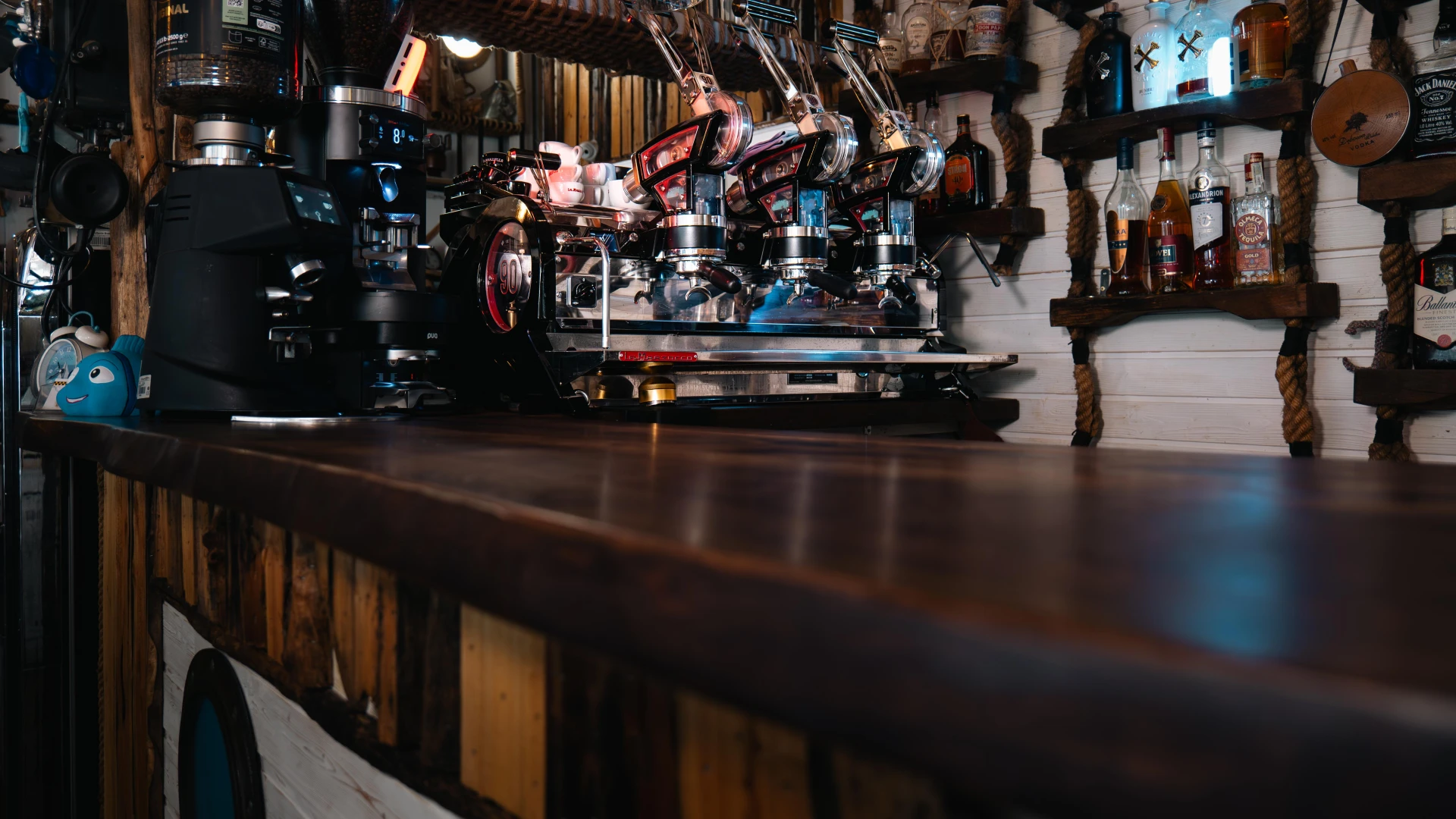
Designed for those who seek perfection in coffee brewing, La Marzocco Leva is a masterpiece of Italian engineering in professional espresso machines. Released as a limited anniversary edition with only 90 units worldwide, this model redefines coffee extraction through an innovative manual lever system, providing unparalleled control over pressure and water flow. Its pressure profiling technology allows baristas to fine-tune every parameter for a flawless espresso shot. Built with high-precision components and premium materials, the Leva ensures durability and outstanding performance. A collector’s item, now part of the Terasa cu Ancore experience, where tradition and innovation blend in a truly authentic atmosphere.
This ship’s porthole, salvaged by the NemoProDiving commercial diving team, belonged to a sunken vessel. Made of solid bronze and pressure-resistant glass, it provided natural light and visibility inside the ship. Its watertight design ensured protection from water and harsh conditions, making it a crucial part of maritime engineering. A true nautical artifact, holding the stories of countless sailors who once gazed through it.
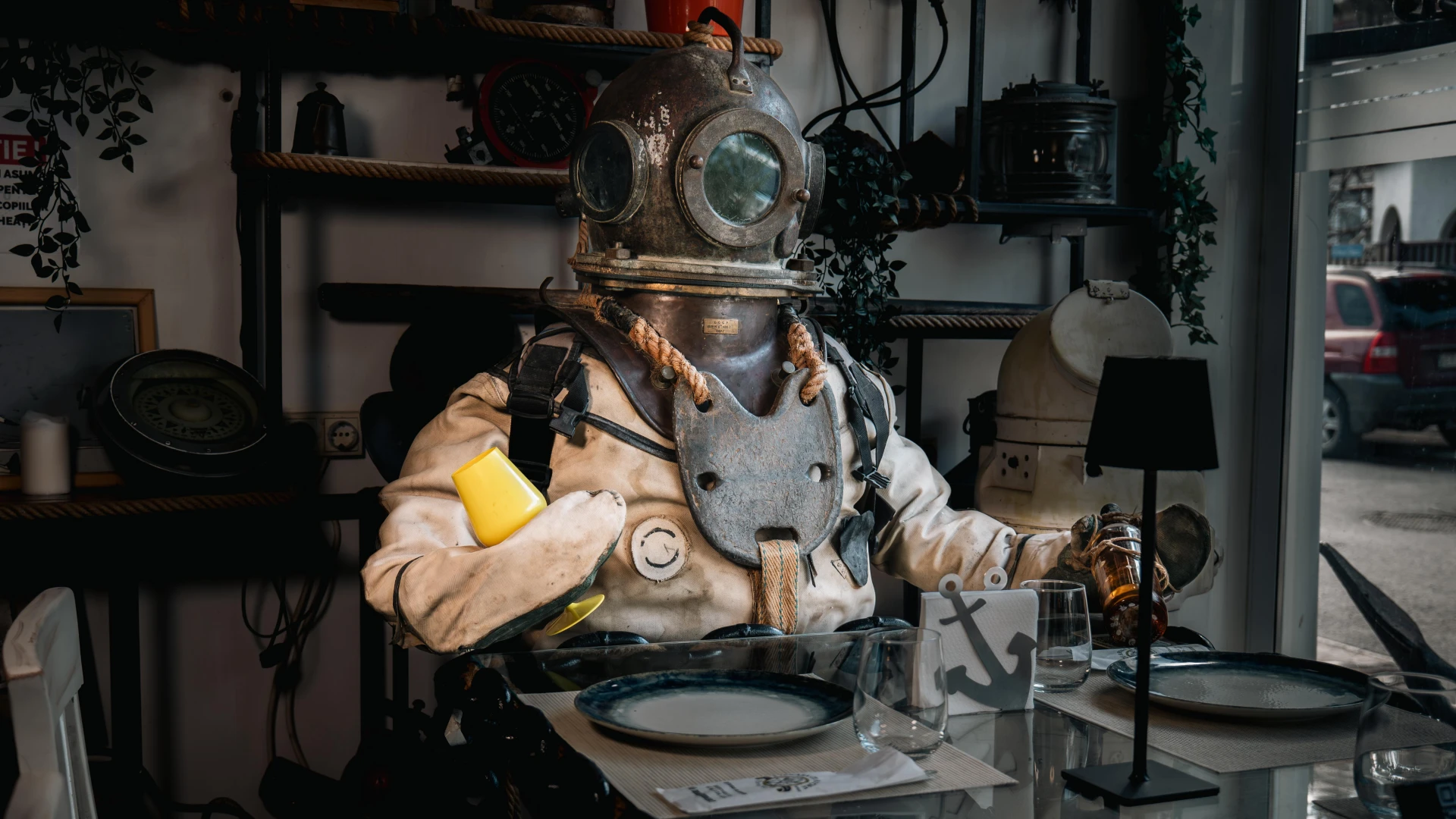
This Russian heavy diving gear includes a suit that is over 100 years old, originally used in industrial underwater operations, paired with a Russian helmet from 1981. The lead-plated vest provides stability at depth, while the robust metal helmet ensures protection and underwater communication. This set is a remarkable example of Soviet maritime engineering, used successfully by professional divers in extreme underwater conditions.
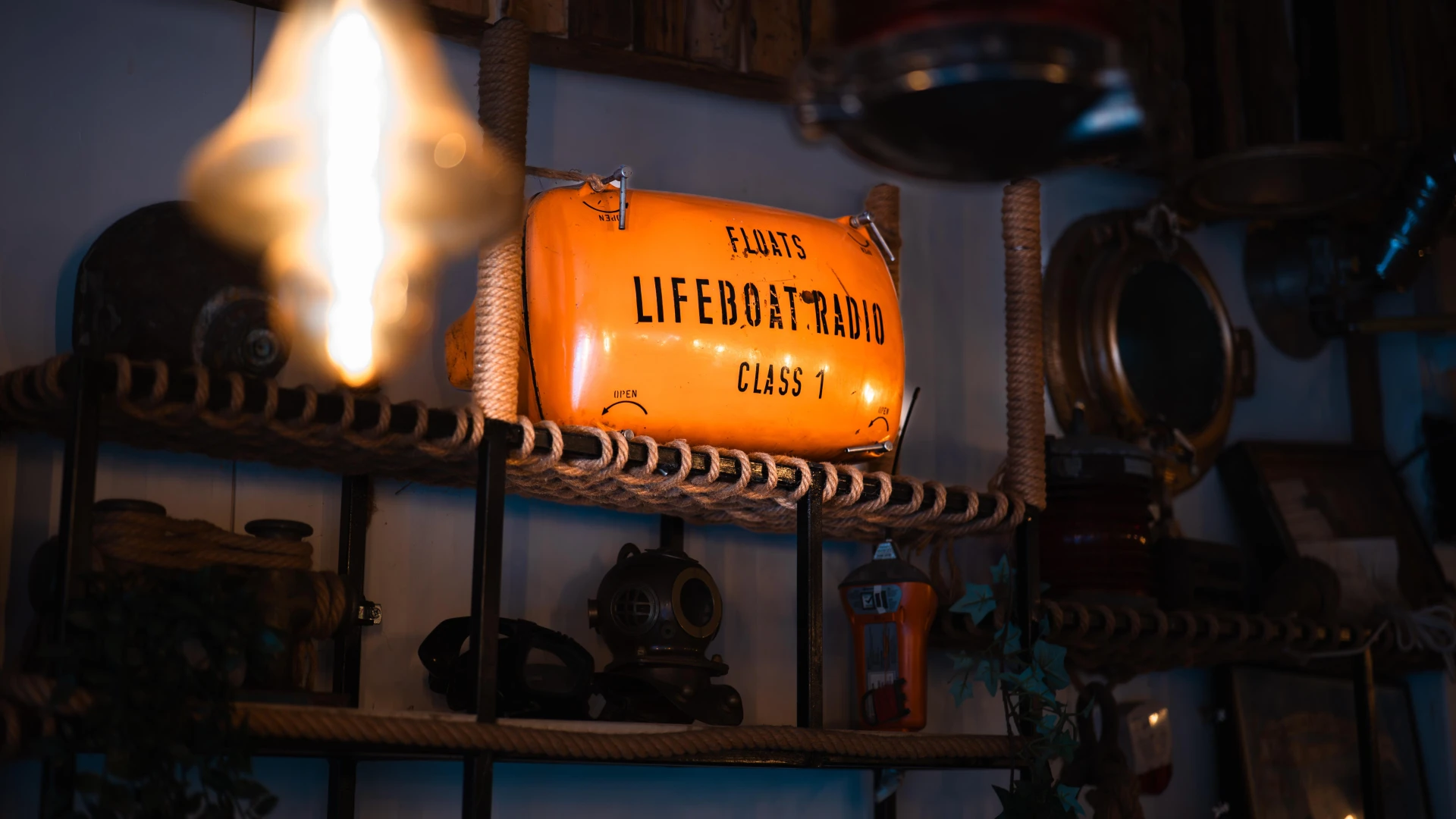
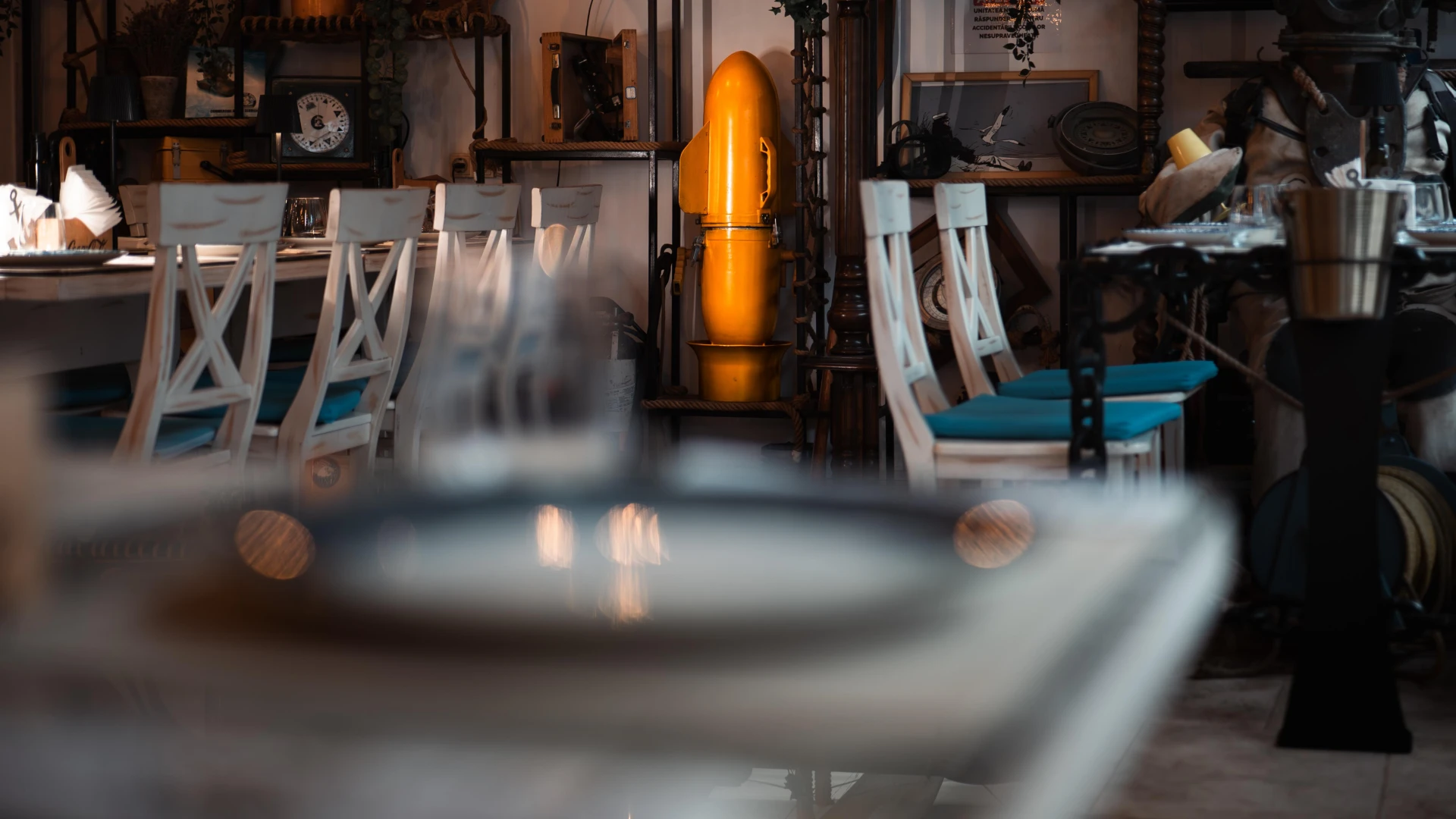
This is the first lifeboat radio, a crucial device used on rescue boats to send emergency signals. Designed with a floating case, it ensured effective communication with ships or rescue teams in distress situations. The Lifeboat Radio Class 1 marked a significant advancement in maritime safety, providing a lifeline for crews facing shipwrecks.
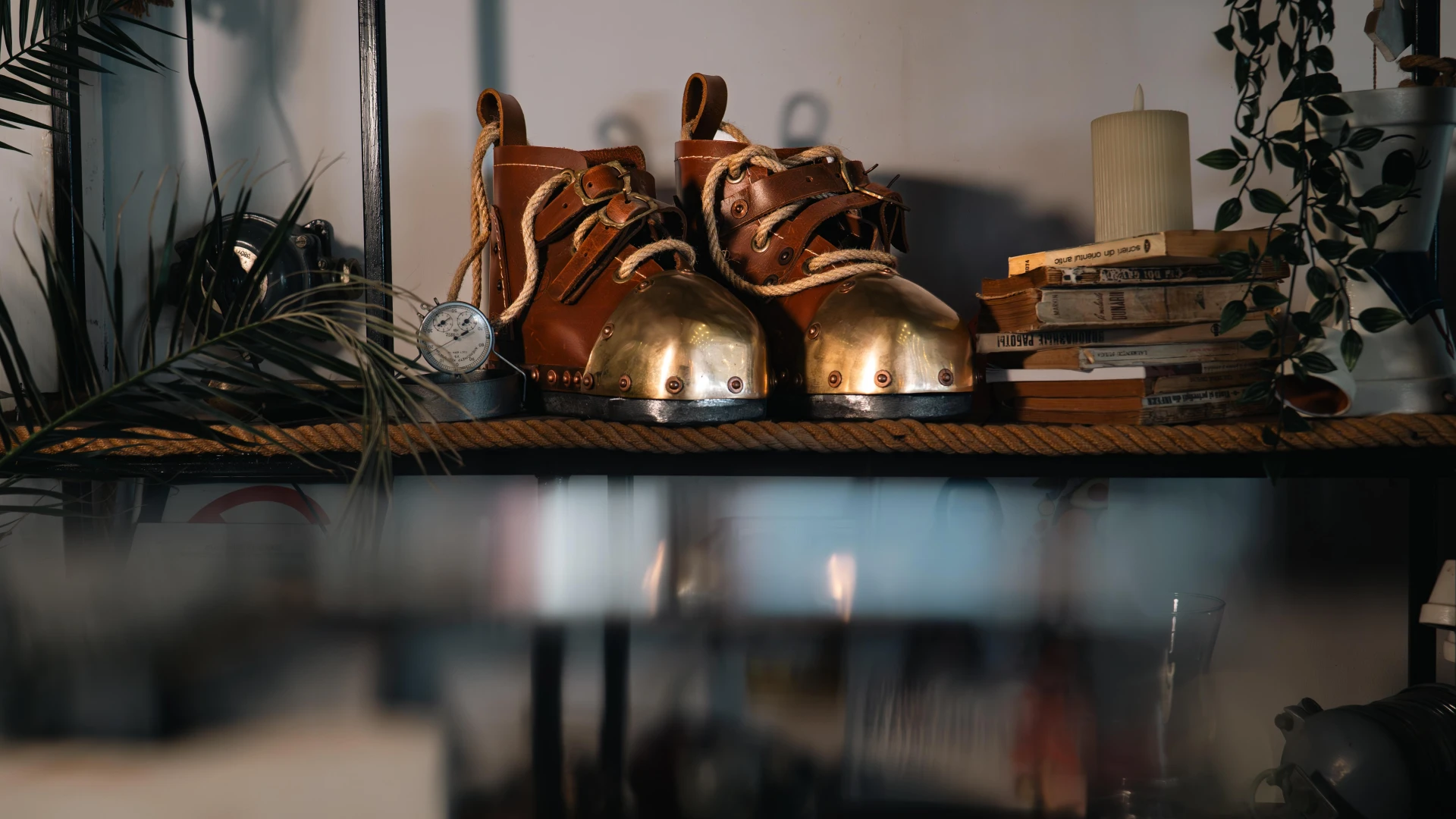
These heavy Russian diving boots, made of solid cast iron and weighing around 10 kg, were essential for professional divers to maintain balance underwater. Their robust design showcases the engineering excellence of past underwater exploration equipment. A true maritime relic, now displayed at Terasa cu Ancore.