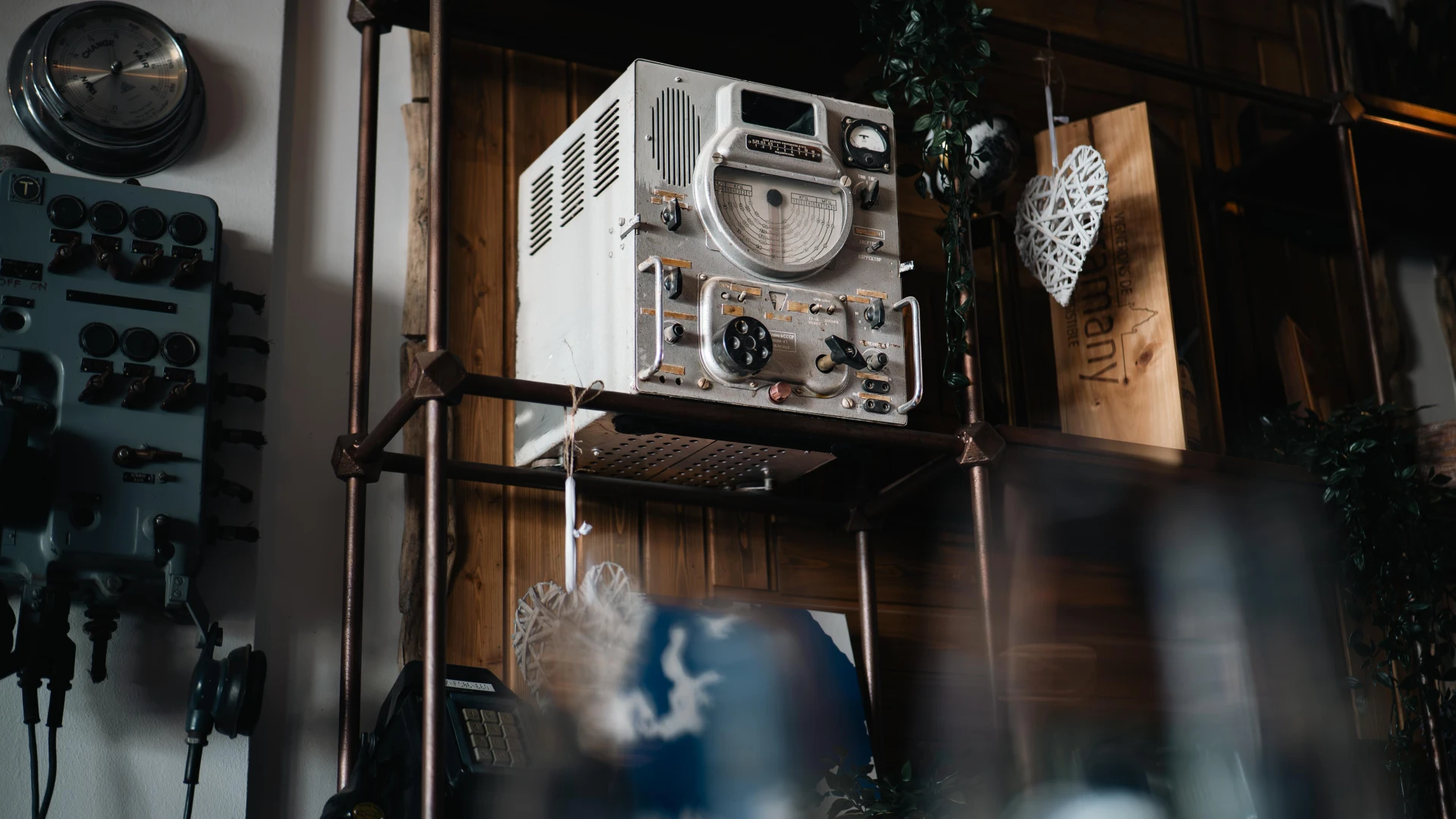
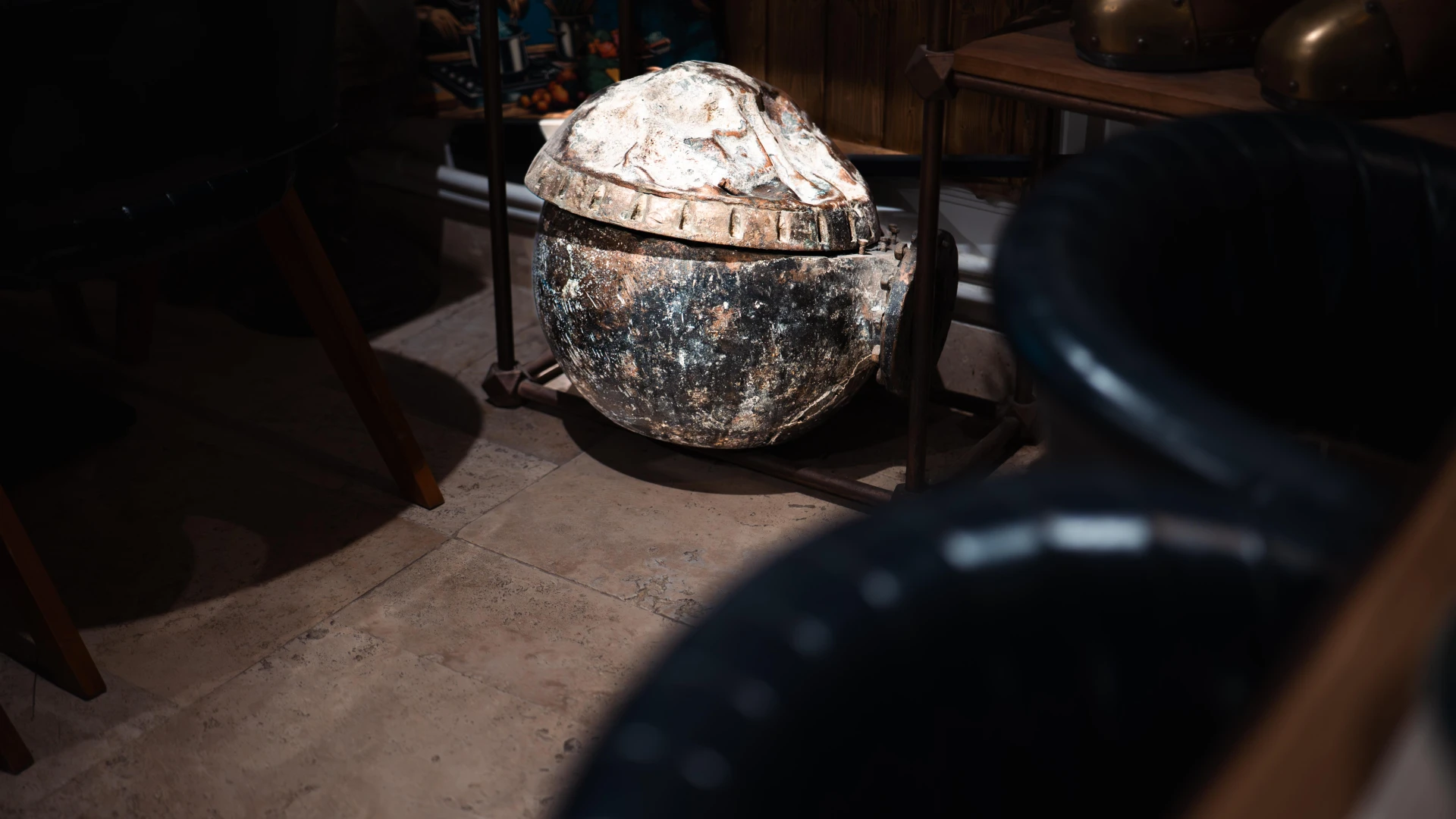
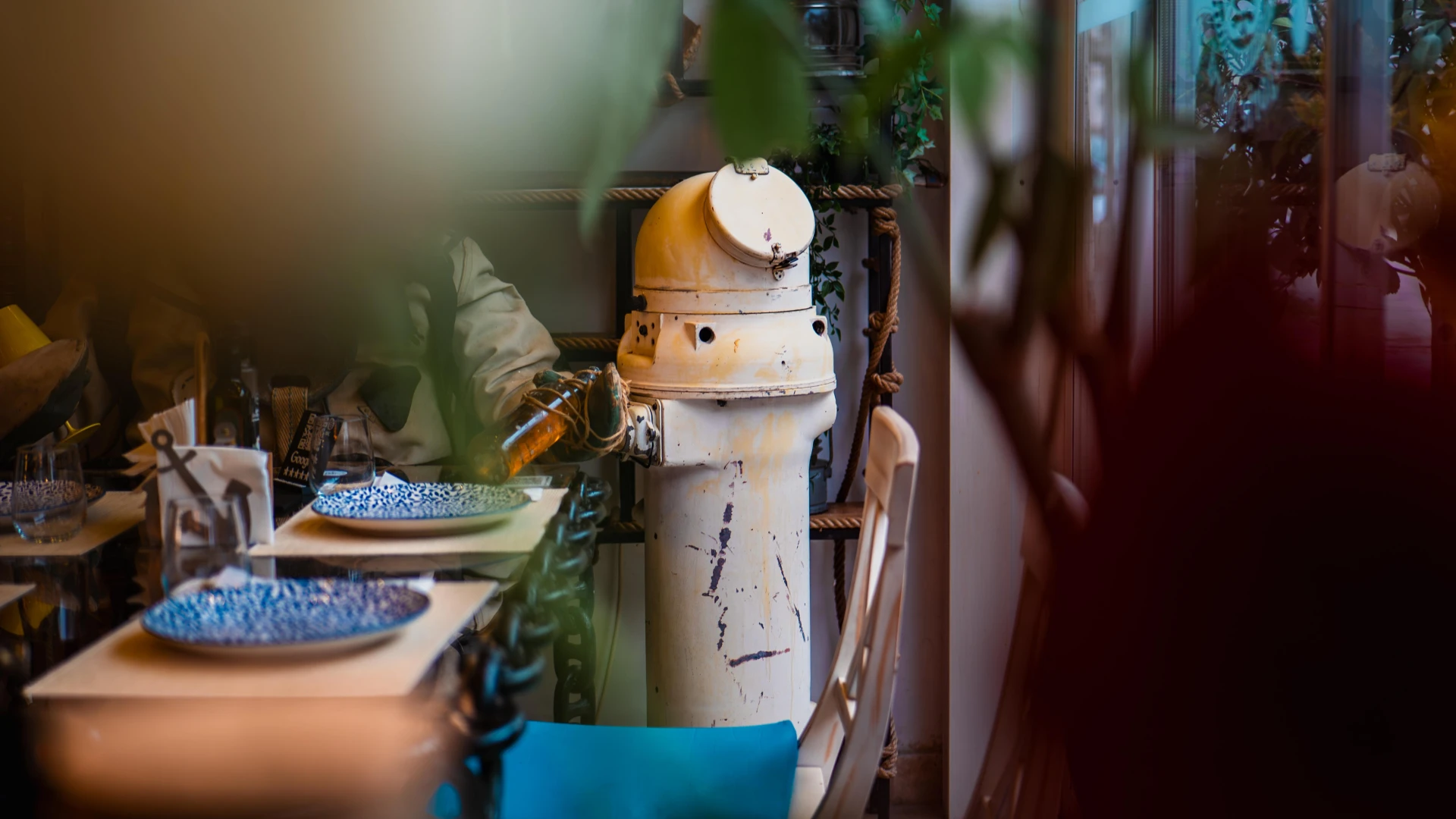
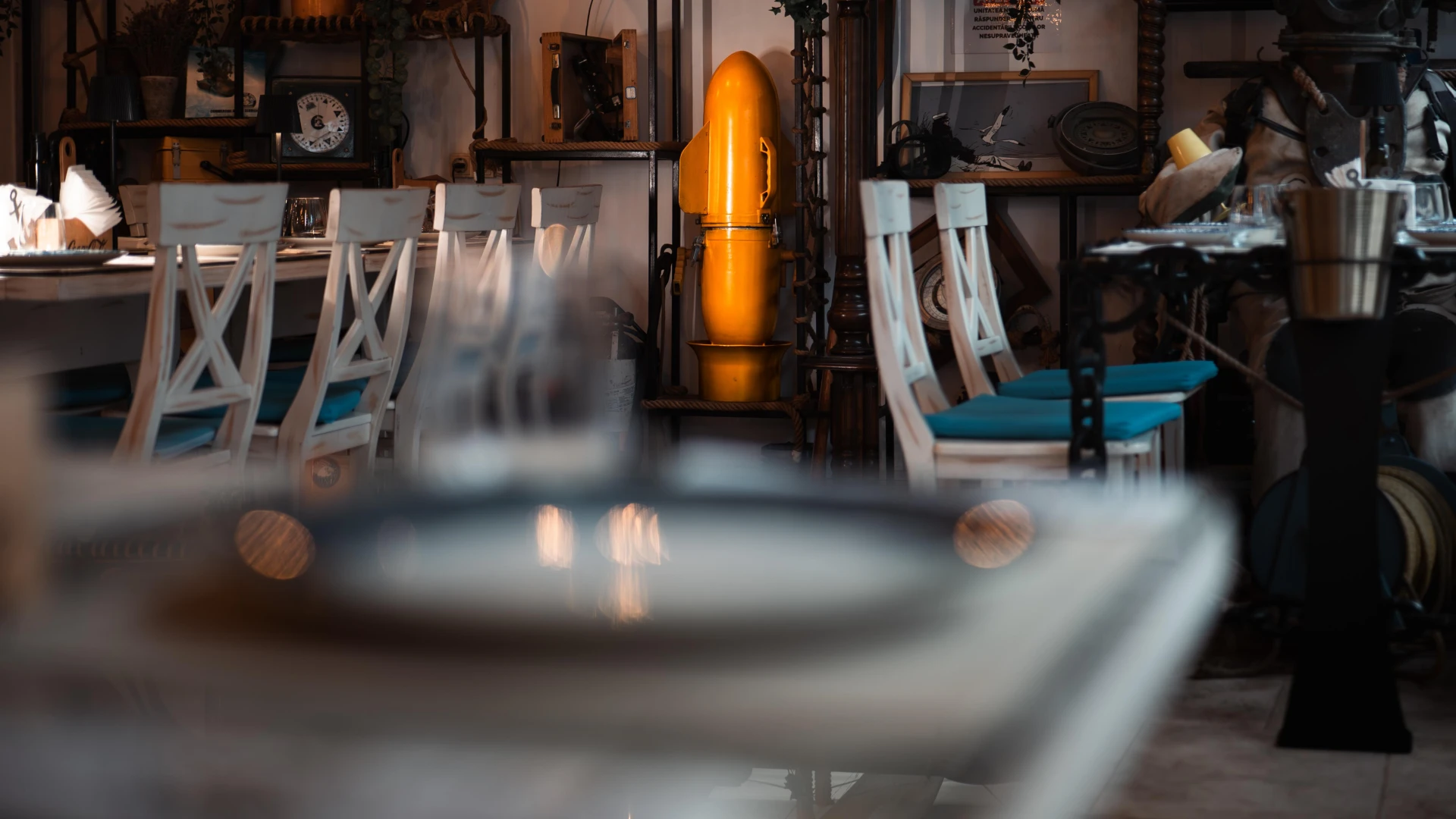
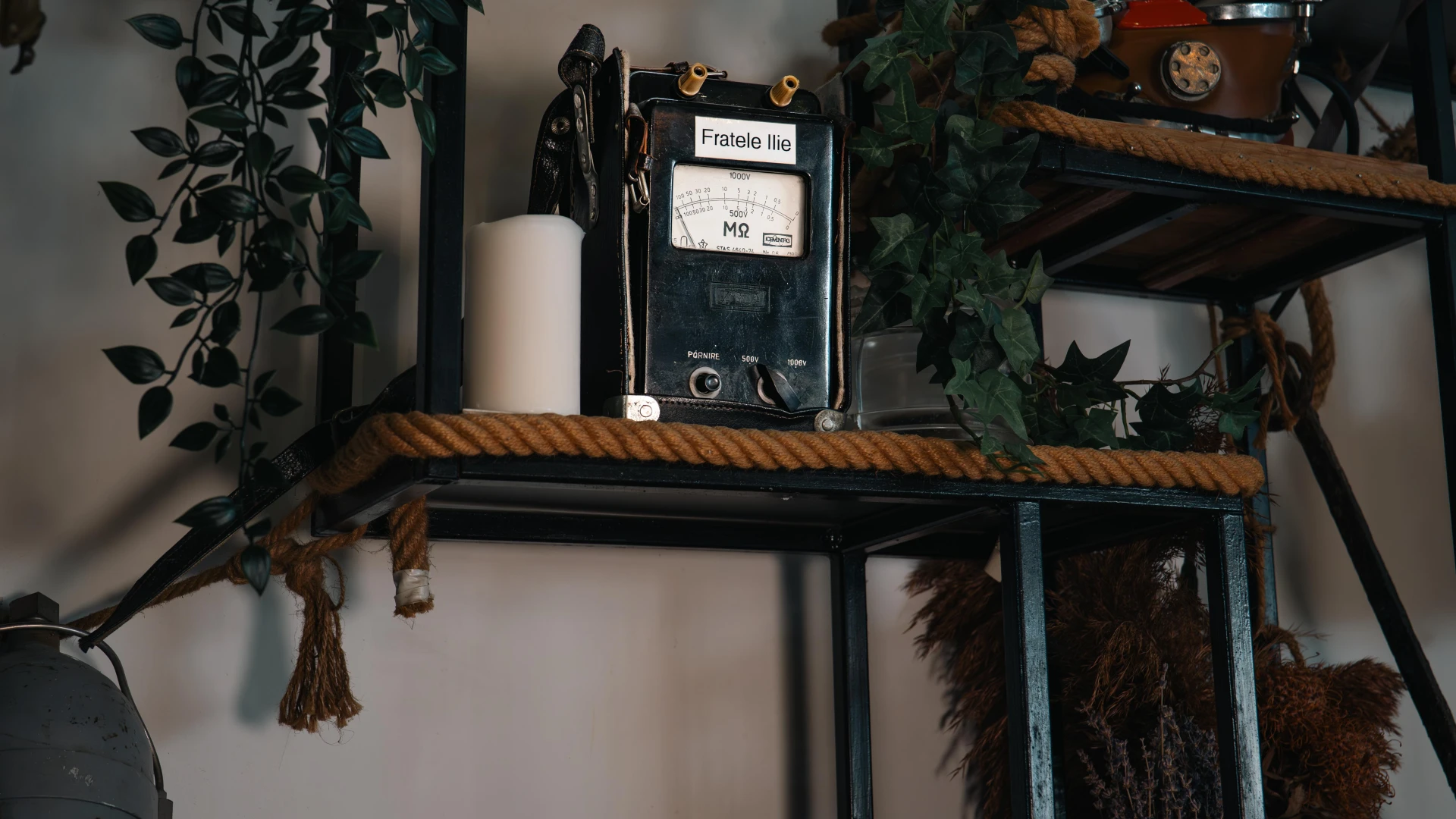
This Soviet naval radar, produced during the CCCP era, was used on commercial and military ships for target detection and maritime tracking. With Russian inscriptions, this advanced system enabled precision navigation and tactical surveillance, essential for naval operations. Durable and highly reliable, it was a core instrument in Soviet fleets, enhancing maritime security. This historic model is now displayed at Terasa cu Ancore, showcasing past radar technology.
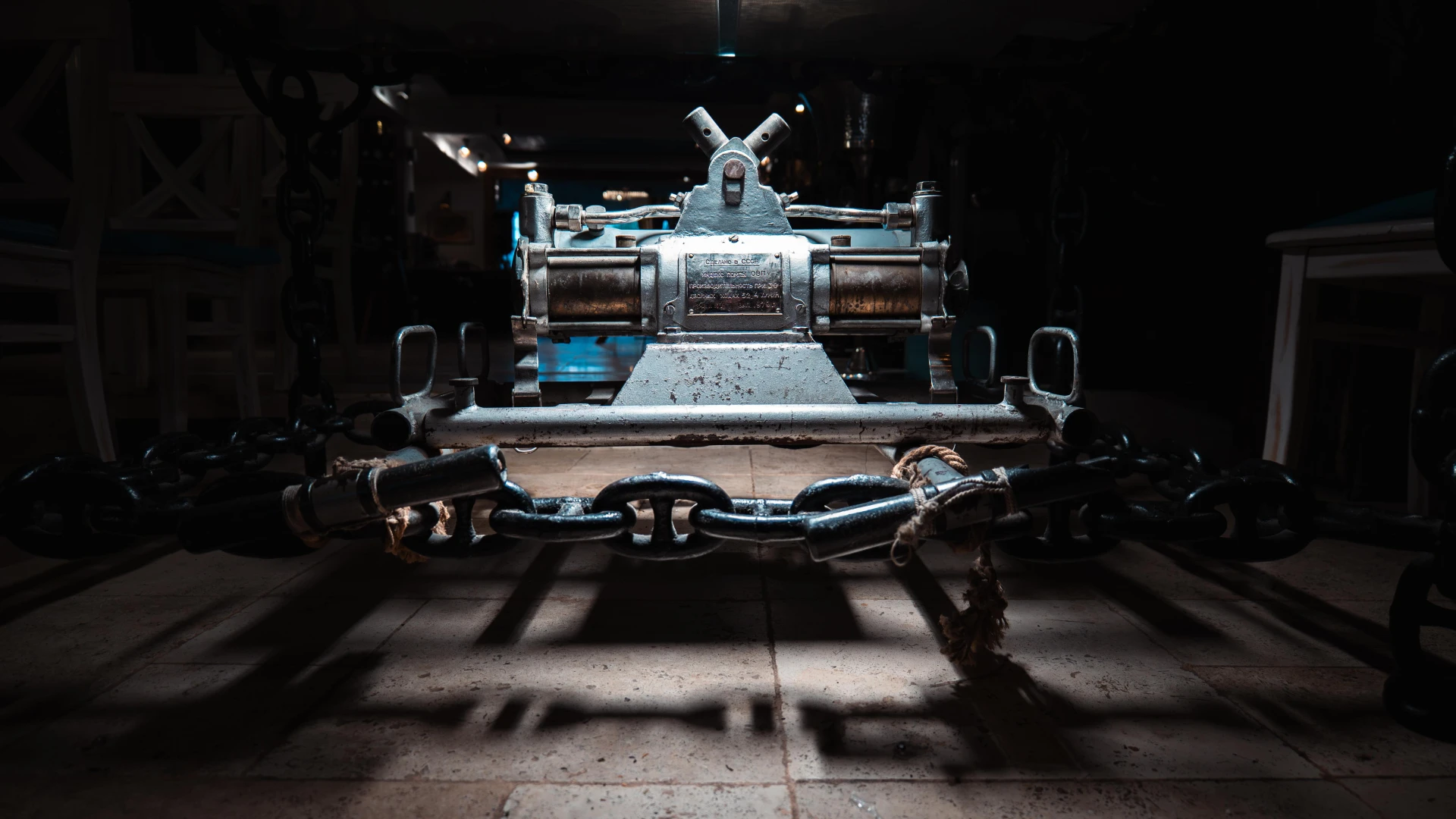
This English manual compressor, crafted from mahogany wood and bronze pistons, was used to supply air to heavy divers. Featuring two powerful pistons, it could support two divers simultaneously during underwater operations. Its durable design and reliable mechanism made it an essential tool for historical deep-sea explorations. A rare piece of maritime engineering.
The Aalborg RT 144C marine radio, manufactured in Denmark, was used for VHF communication on commercial and military vessels. With a durable design and adjustable frequencies, this system ensured clear and stable transmissions, even in harsh maritime conditions. As a crucial tool for safe navigation, it enabled ships to stay connected with ports and other vessels. This historic piece, a symbol of reliability in maritime radio communication, is now displayed at Terasa cu Ancore.
This MEDI heavy diving helmet, manufactured in Germany, is an extremely rare piece, with only 70 units worldwide. Used in industrial and military diving, it provided safety and clear visibility at great depths. Built from durable materials, it stands as a testament to German engineering excellence in diving technology. Now displayed at Terasa cu Ancore, this artifact showcases historical diving equipment.
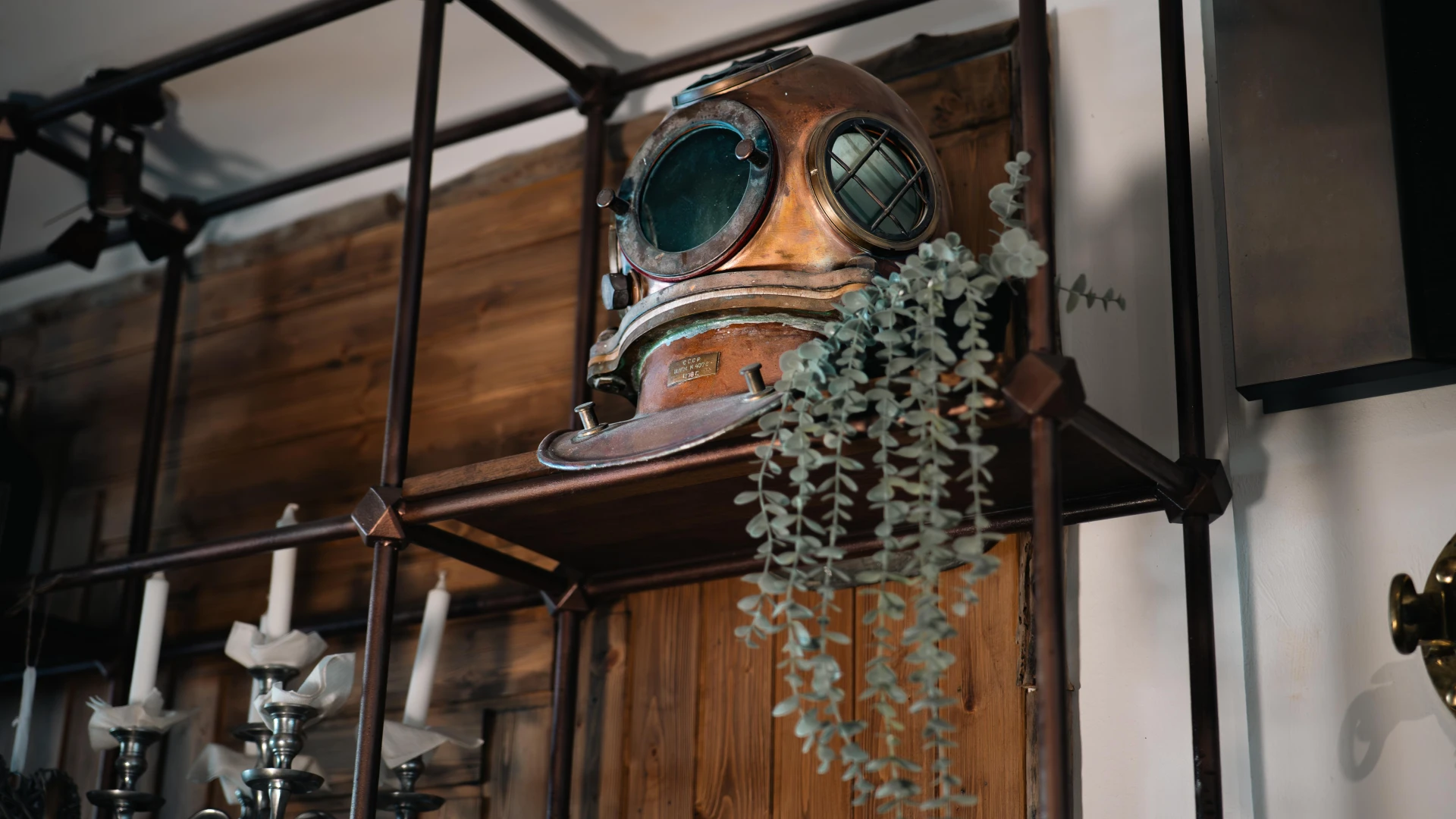
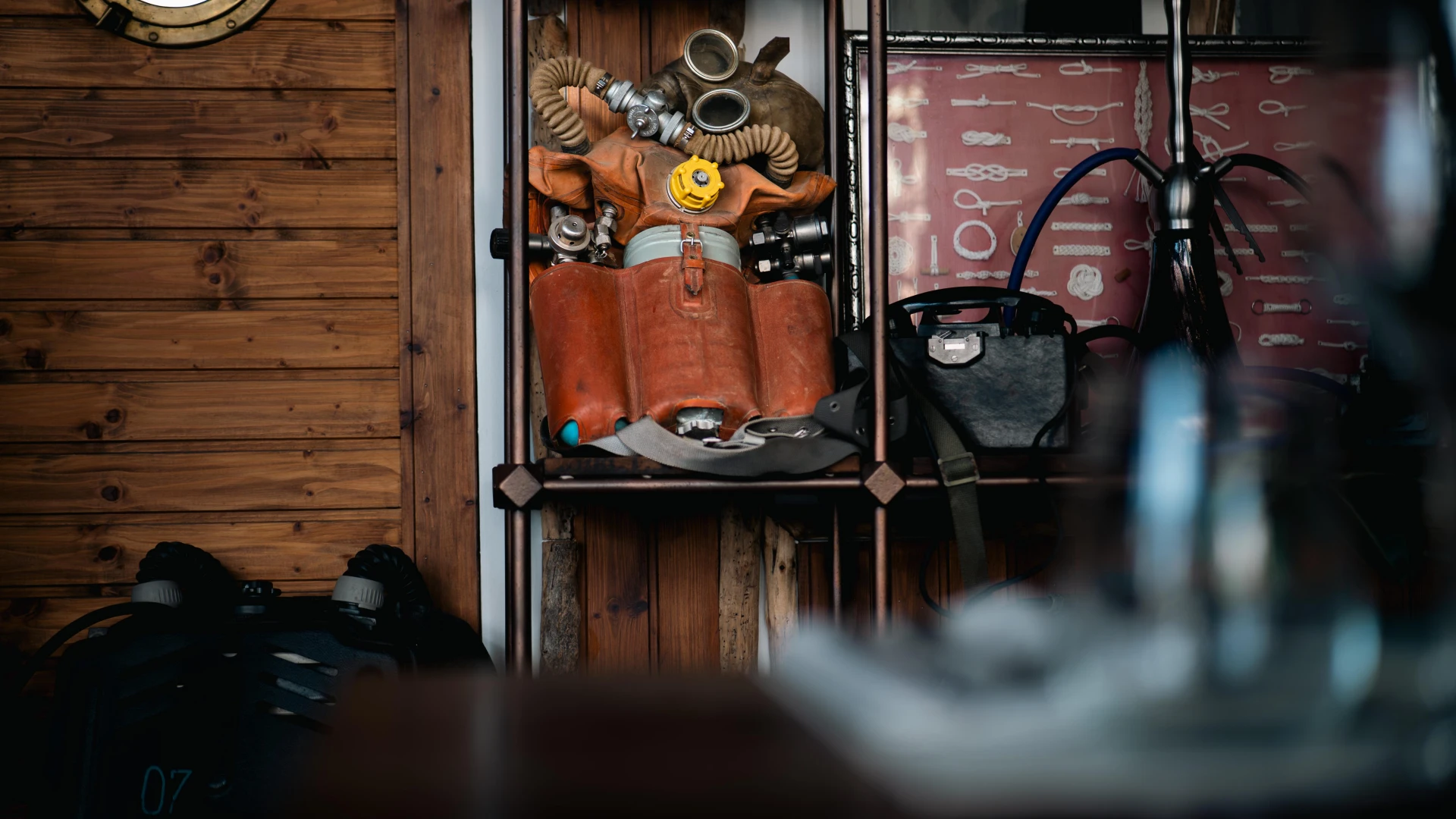
This SMT military diving apparatus is an amagnetic closed-circuit system used for covert underwater missions. It recycles exhaled gases, preventing bubbles and ensuring stealth operation. Designed for military divers, this elite equipment played a crucial role in special operations and deep-sea engineering tasks.
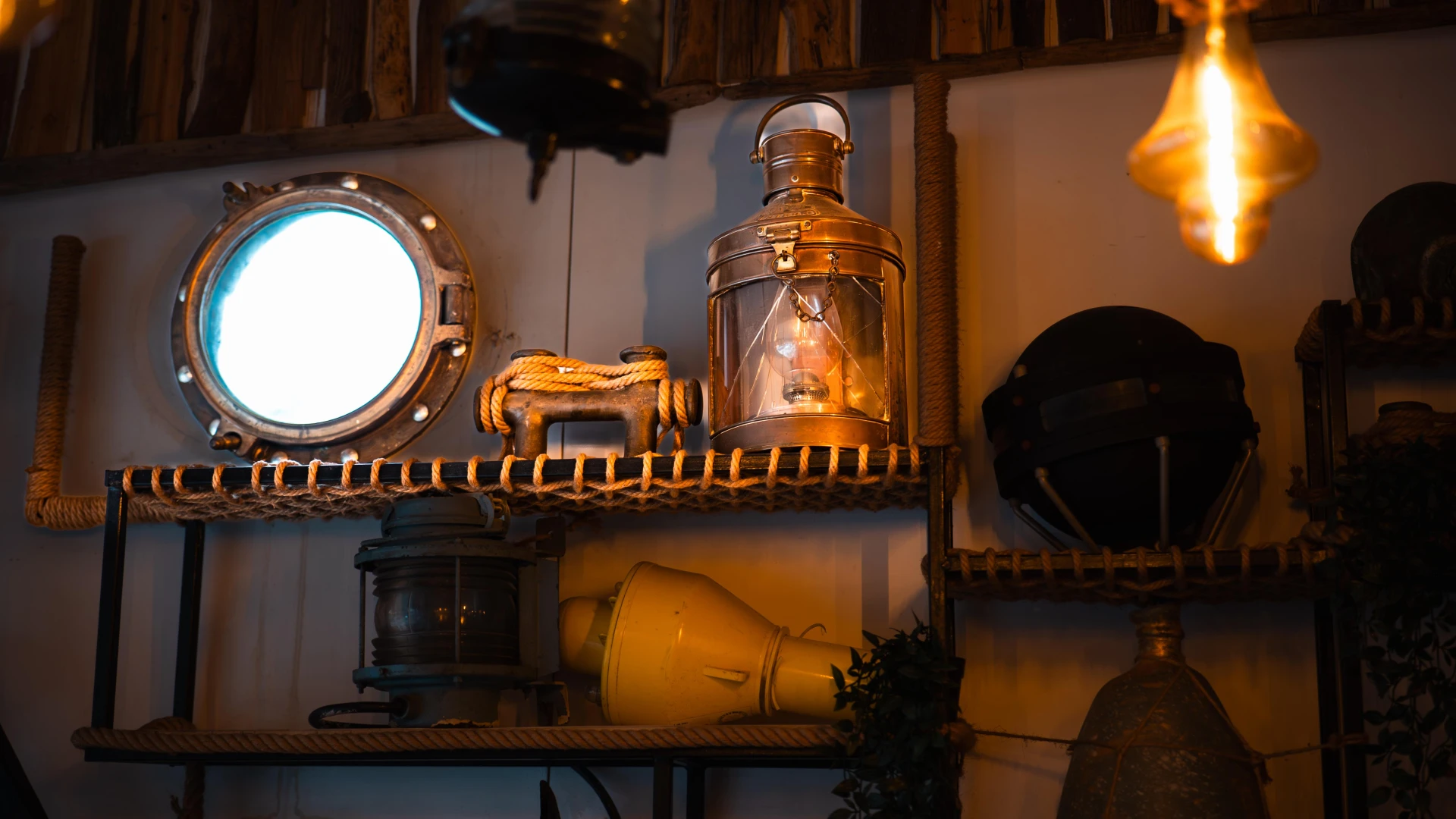
This bronze gas lantern, over 150 years old, was used aboard ships and merchant vessels to illuminate decks and cabins. Its sturdy bronze construction ensured durability in harsh maritime conditions, while the thick glass shielded the flame from strong winds. A true maritime relic, this lantern embodies the golden age of sea exploration and nautical craftsmanship.
This Russian air compressor, designed for a single diver, was used on small boats and vessels. Built from durable metal, it was manually operated to provide breathable air during dives. Its compact and efficient design made it ideal for individual underwater missions, ensuring a steady air supply in demanding environments. A crucial relic of past diving technology.
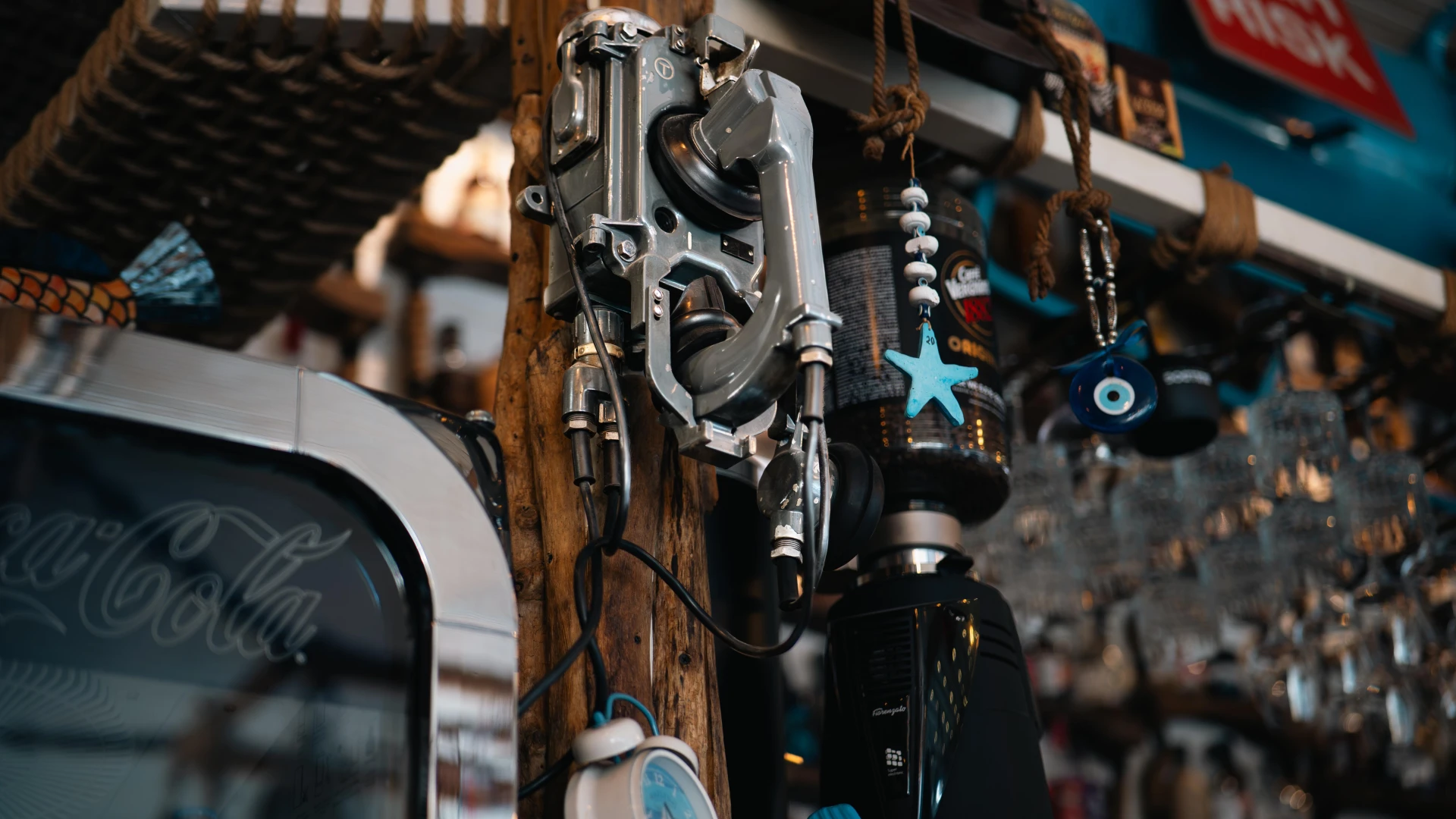
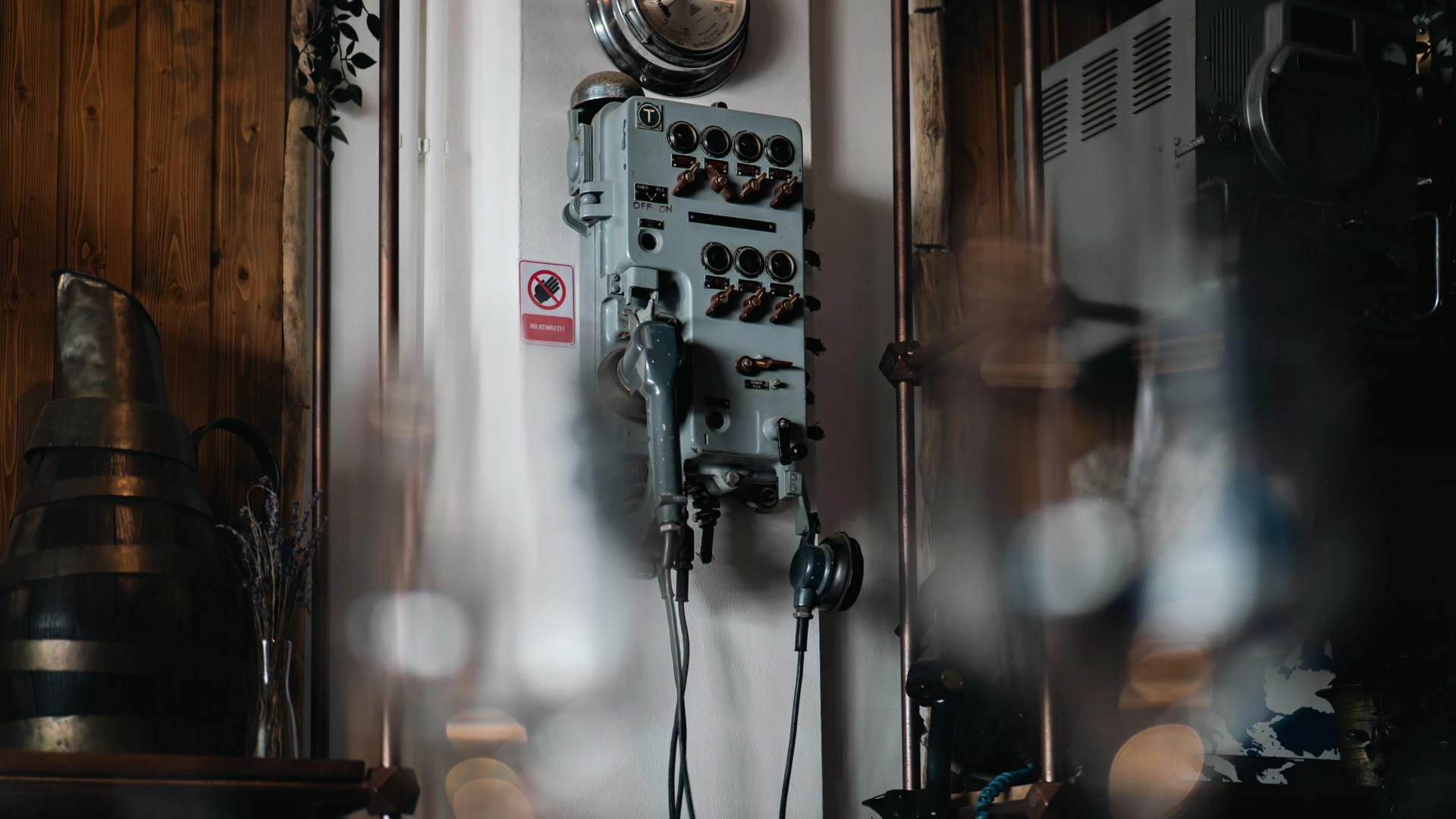
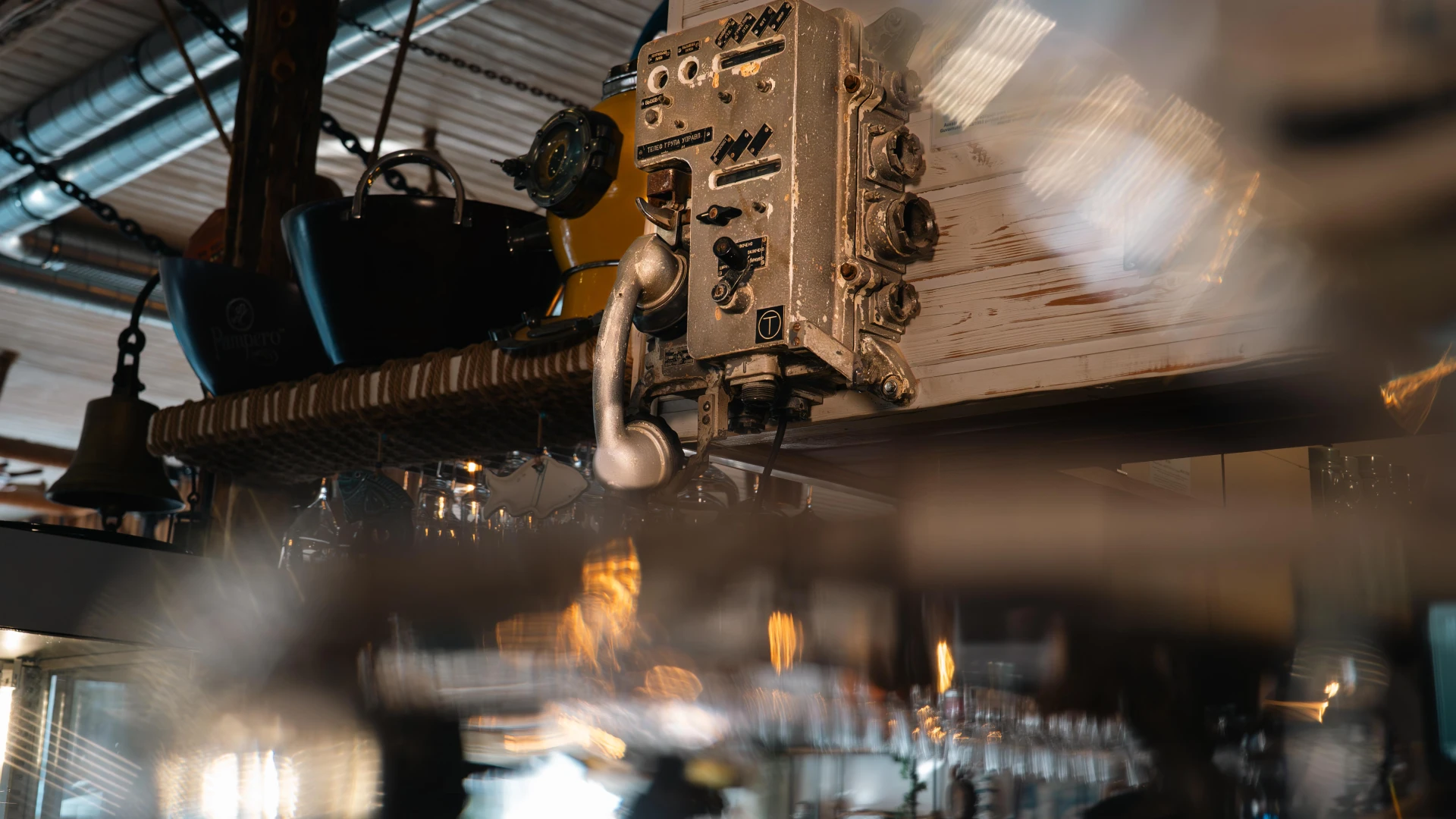
This watertight maritime telephone was a crucial device for emergency communication on military and commercial ships. Built with a shockproof and waterproof metal casing, it was used on decks and in engine rooms, ensuring clear transmission of commands even in extreme conditions. Featuring a moisture-proof system, this robust model played a key role in secure onboard communications for decades.
This lifebuoy belonged to a ship and bears its original name, standing as a testament to maritime history. Made of durable floating material, it was essential for crew and passenger safety during emergencies. Recovered by NemoProDiving, it highlights the importance of safety measures at sea.
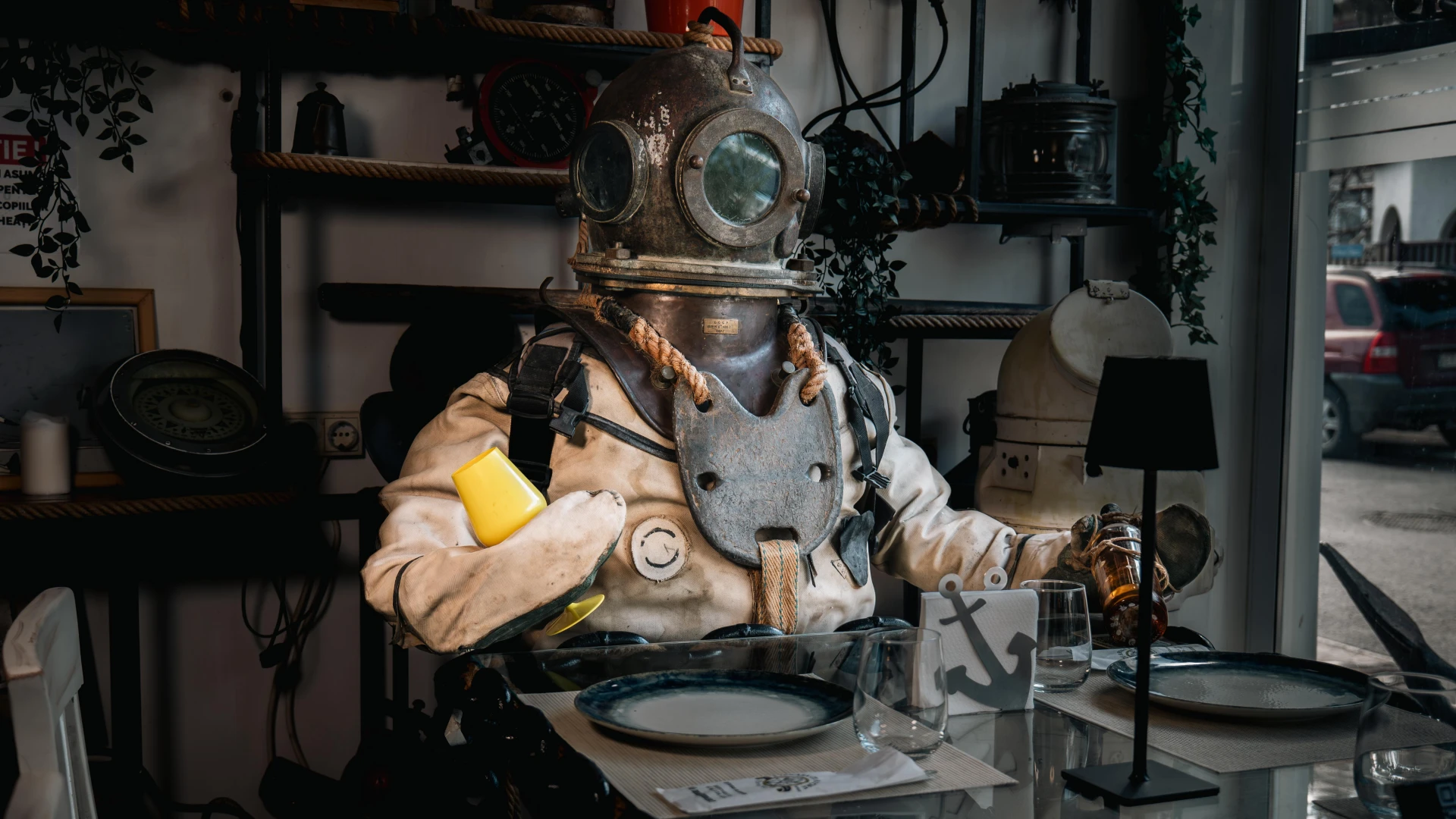
This Russian heavy diving gear includes a suit that is over 100 years old, originally used in industrial underwater operations, paired with a Russian helmet from 1981. The lead-plated vest provides stability at depth, while the robust metal helmet ensures protection and underwater communication. This set is a remarkable example of Soviet maritime engineering, used successfully by professional divers in extreme underwater conditions.
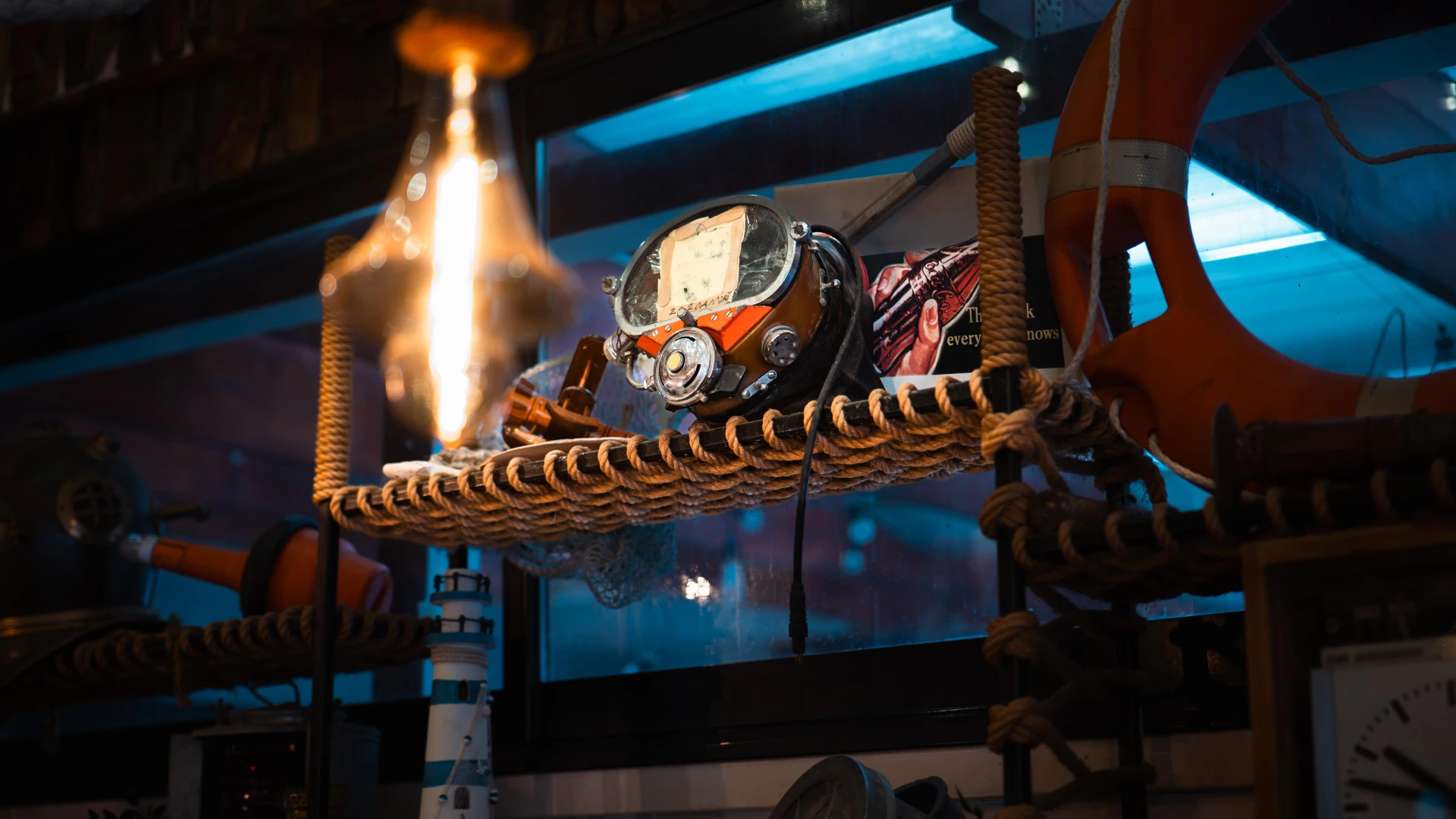
The Comex full-face mask is an essential piece of commercial diving equipment, ensuring protection and clear communication underwater. Built for extreme conditions, this mask allows divers to operate safely at depth. Its robust design and air supply system provide comfort and efficiency, making it ideal for complex underwater operations.
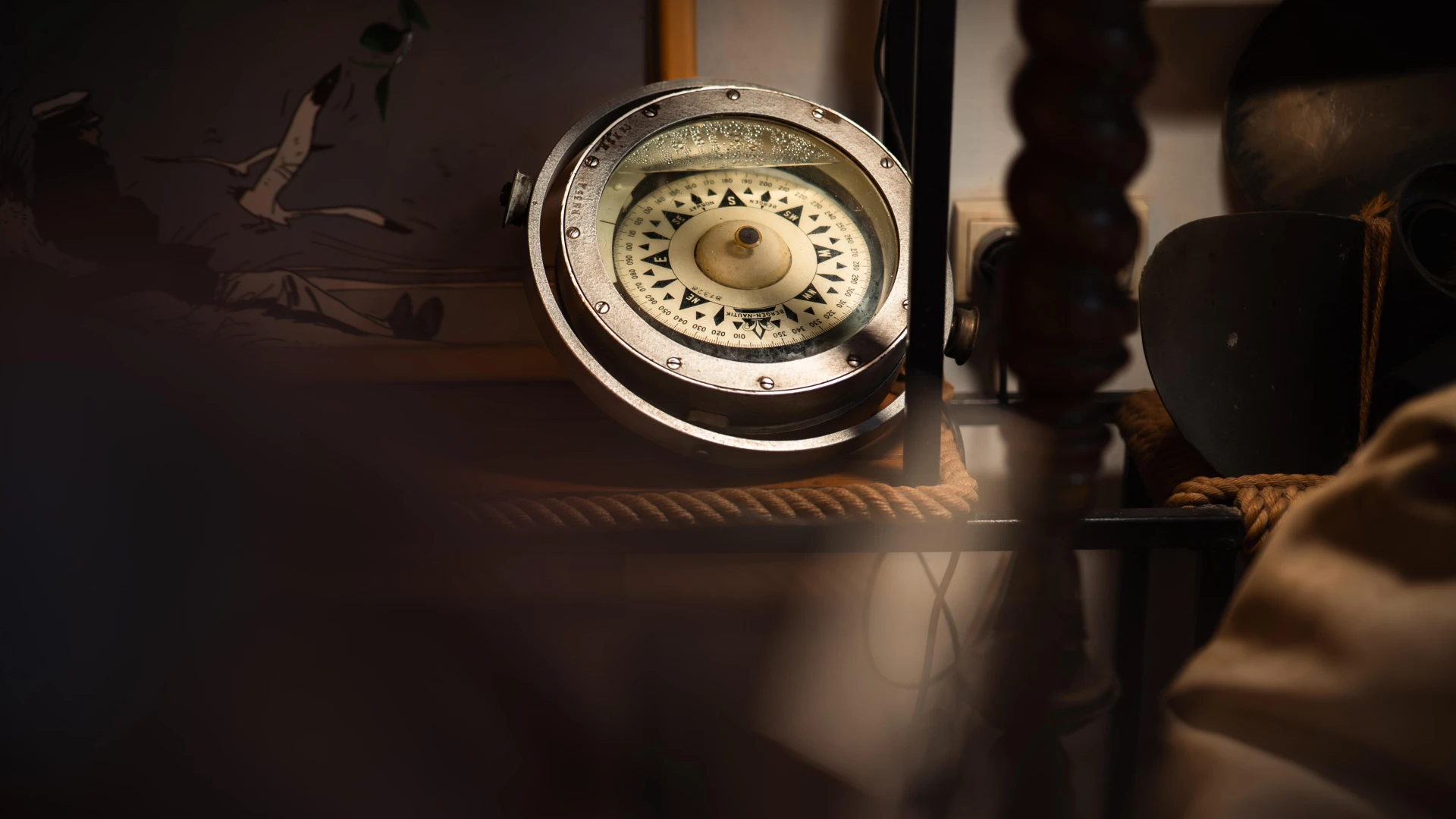
This ship compass is a vital instrument for navigation and positioning at sea. Unlike standard models, this liquid-stabilized marine compass is housed in a durable metal casing, protected by a glass cover. Used on commercial and military vessels, it ensures high accuracy regardless of weather conditions. A true maritime artifact that embodies the spirit of ocean exploration.
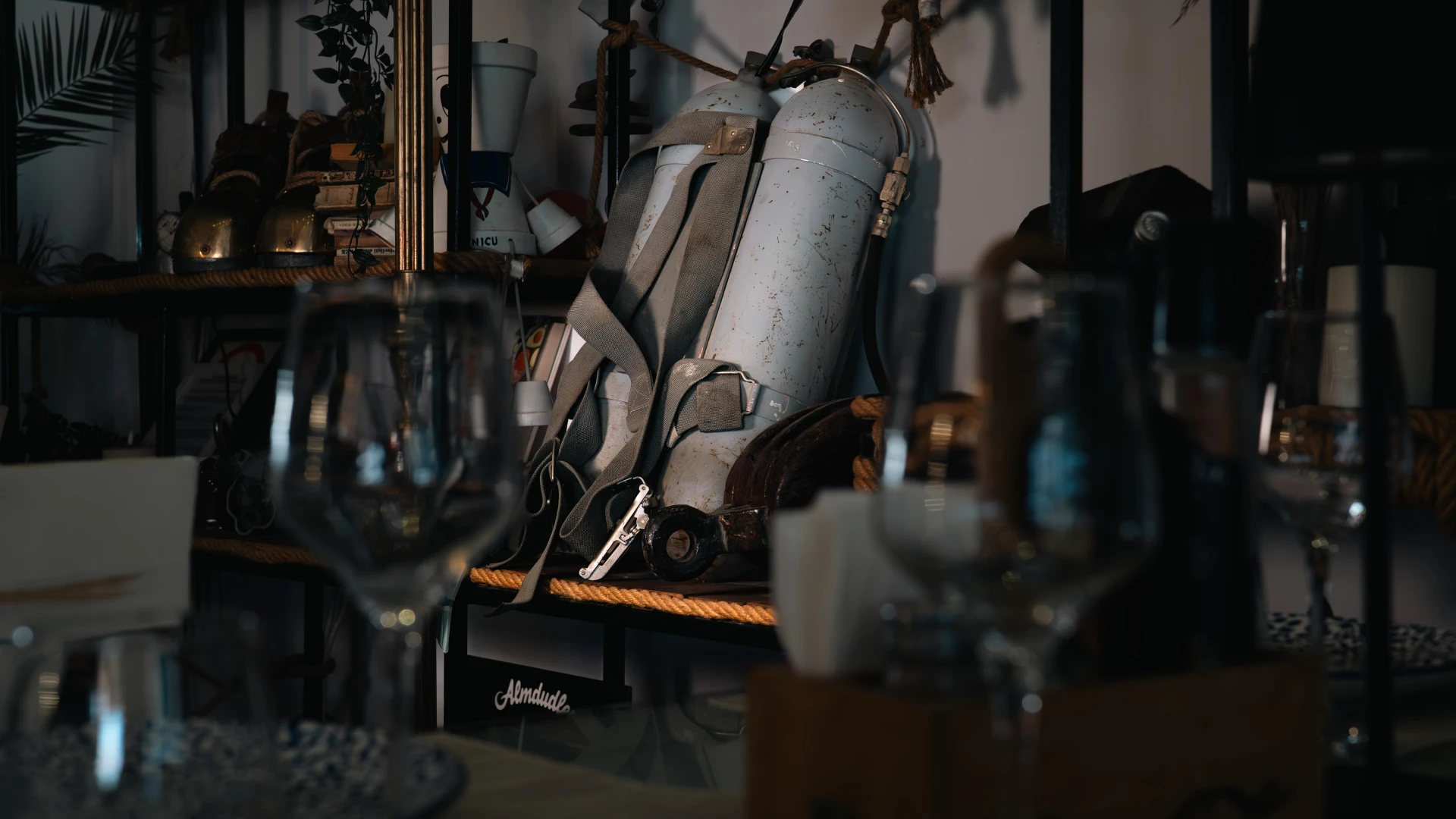
This Russian diving tank is a rare military relic from World War II, used by combat divers and special underwater units. Constructed from durable metal, with original canvas straps and metal buckles, this gear represents the Soviet engineering of the time. Its compact and efficient design enabled extended dives during strategic operations and military rescues. A genuine historical artifact, witnessing the underwater warfare tactics of the past.
This manual air distribution panel, built in Germany 80 years ago, supplied two divers simultaneously from a single hand-operated air pump. Equipped with pressure gauges and adjustable valves, it was essential for surface-supplied diving, allowing precise air control. A rare and fascinating piece of historical diving technology.
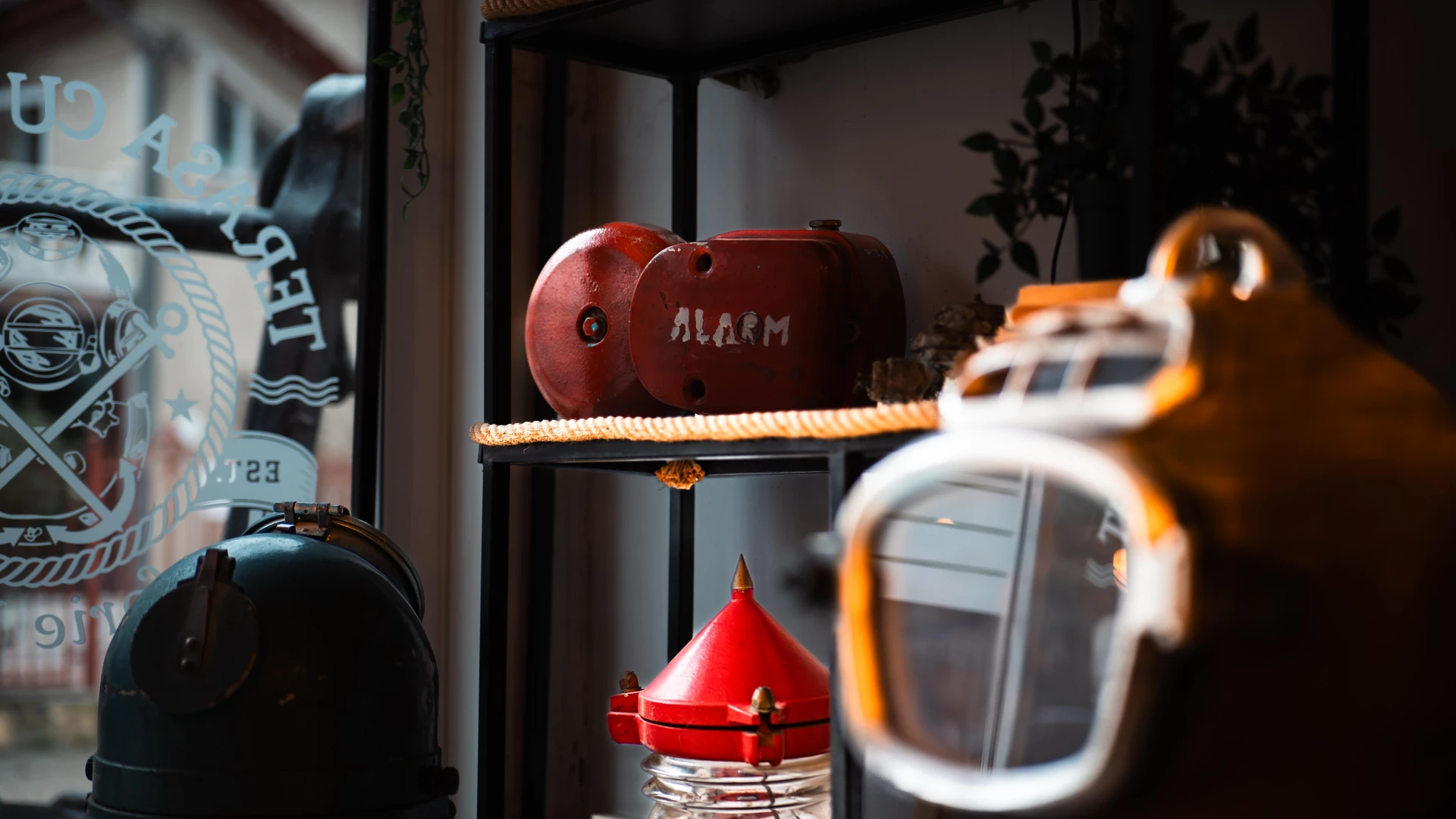
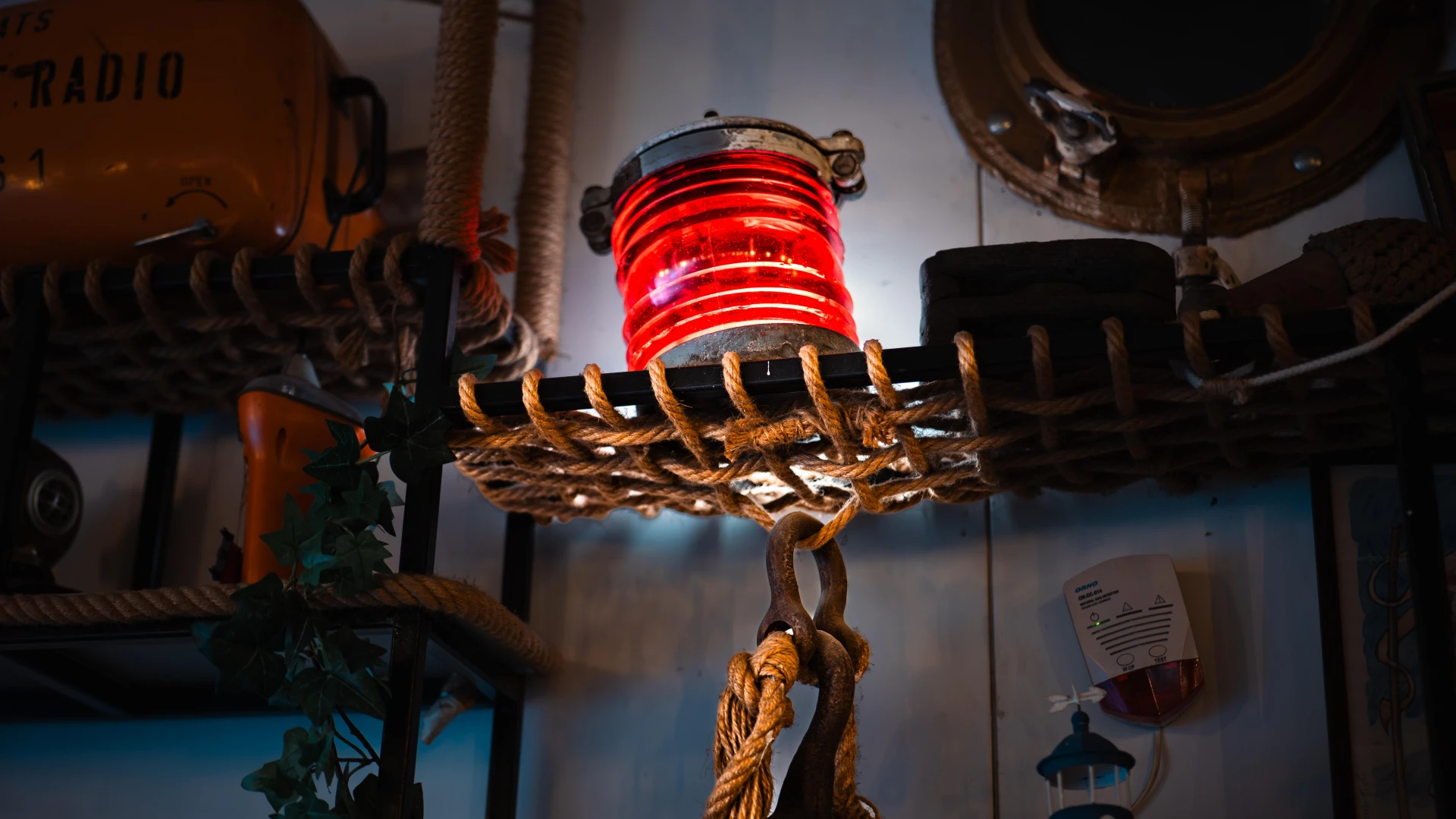
This red navigation light was used for indicating a vessel’s direction at night or in low visibility conditions. Placed on port or starboard, it played a critical role in collision prevention and compliance with international maritime regulations. Built with thick resistant glass and a durable metal casing, this light remains a symbol of safety and orientation at sea.
This naval coil phone, used on commercial ships and military submarines, ensured effective communication in high-noise environments and extreme conditions. Its self-powered transmission system made it indispensable for emergency situations, and it is still in use today for specific maritime applications. Compact and durable, this device showcases the reliability of classic naval equipment. Displayed at Terasa cu Ancore, it stands as a key artifact in maritime communication history.
A maritime pilot ladder, known as a Pilot Ladder, has been transformed into a stunning display showcasing over 120 varieties of rum. This authentic nautical piece, once used for boarding ships, is now an iconic design element at Terasa cu Ancore. A true symbol of maritime adventure and exotic refinement.
Designed for extreme missions, this Dräger heavy diving suit (1960-1970) was used for contaminated water operations and surface-supplied underwater work. Made from materials resistant to chemicals and biological hazards, this suit provided maximum protection and complete sealing. A true symbol of industrial diving, it played a crucial role in high-risk technical interventions, proving unmatched reliability and safety.
These unique beer dispensers are made from authentic American heavy diving helmets, repurposed into a stunning bar feature. Originally used in commercial diving, these brass helmets have been restored and integrated into the Terasa cu Ancore bar, offering a one-of-a-kind experience for beer lovers. A true tribute to maritime heritage and the world of underwater exploration.
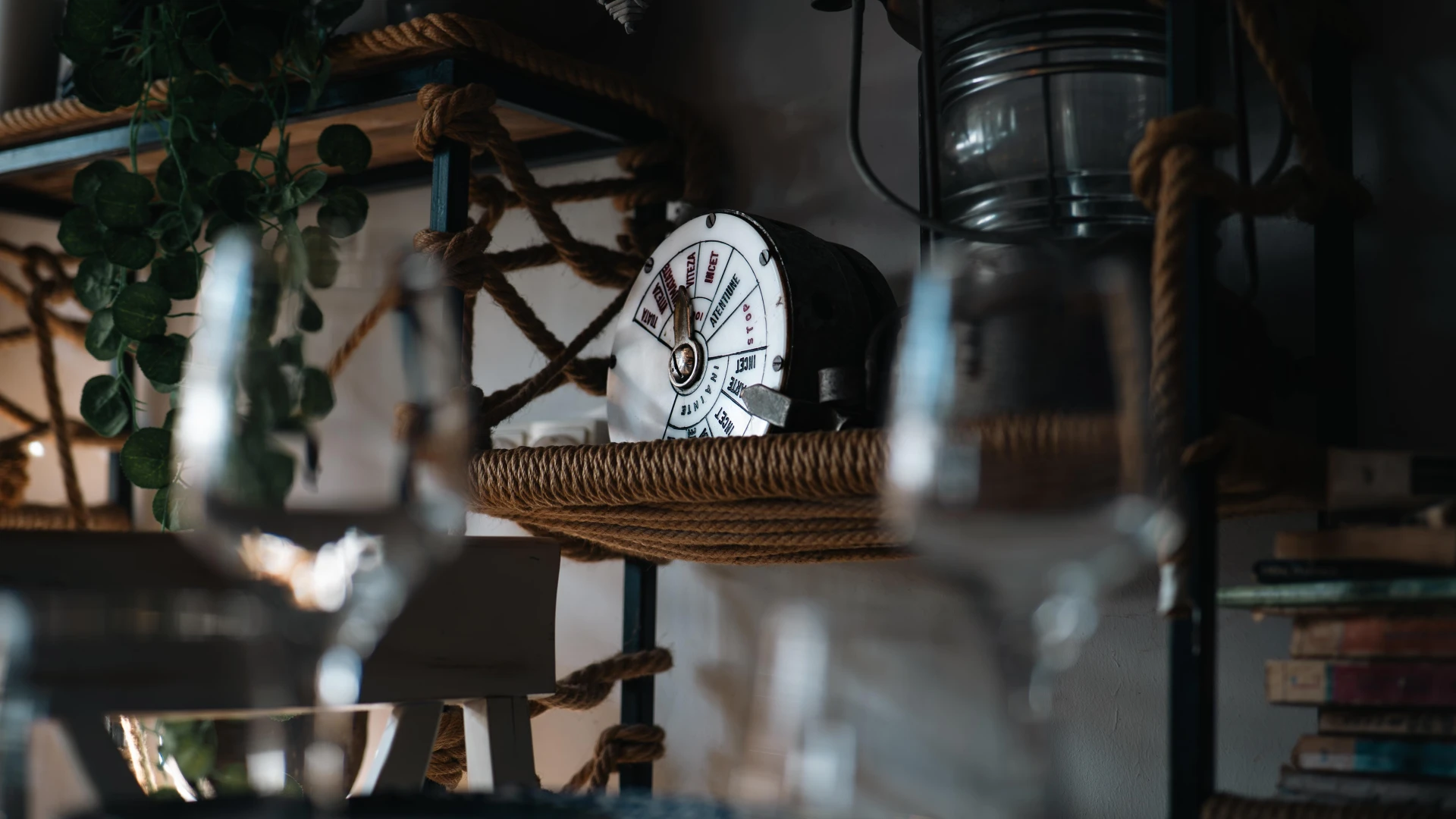
This engine order telegraph was a key component in navigational command aboard merchant and military vessels. Constructed from durable metal with an enameled panel, it facilitated communication between the bridge and engine room, ensuring precise speed and direction adjustments. A true testament to classic maritime engineering, this rare artifact recalls an era when manual operations demanded skill and accuracy from the crew.
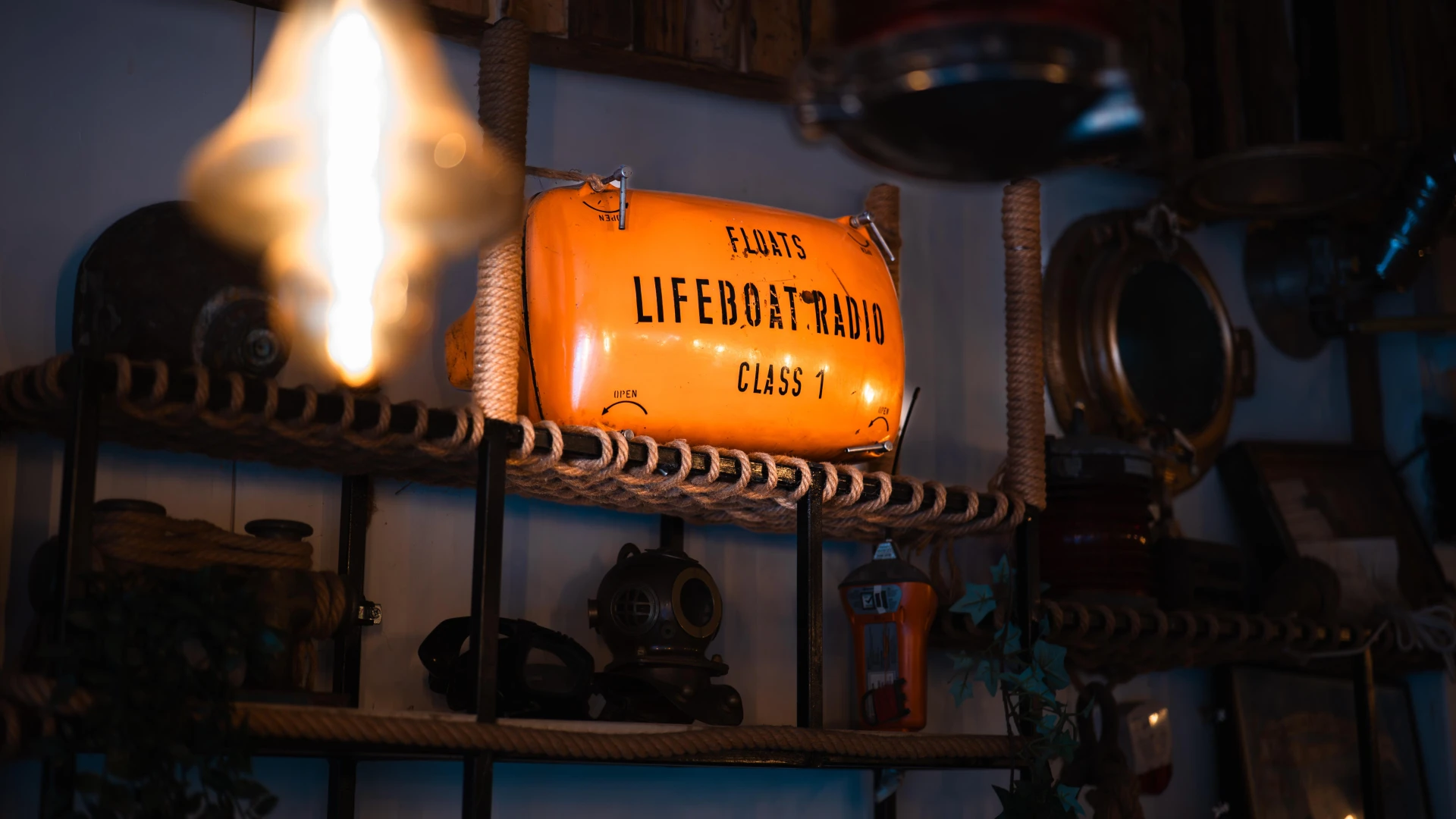
This is the first lifeboat radio, a crucial device used on rescue boats to send emergency signals. Designed with a floating case, it ensured effective communication with ships or rescue teams in distress situations. The Lifeboat Radio Class 1 marked a significant advancement in maritime safety, providing a lifeline for crews facing shipwrecks.
This American naval inclinometer is a crucial device for measuring a ship’s inclination during navigation. Used on commercial and military vessels, it helped crews maintain balance and safety in rough waters. Engineered with maritime precision, the Weston System inclinometer became a standard in naval operations, ensuring stability and control on the open sea.
The wood used in the decor of Terasa cu Ancore was reclaimed by divers from NemoProDiving from the bottom of dams during commercial diving operations. It originates from Bacău Poiana Uzului, Firiza Baia Mare, and Porțile de Fier 1 & 2 Dams. After extraction, it was dried, restored, and repurposed, giving the location a unique and authentic maritime touch.
This Sony underwater housing is a crucial tool for filming and underwater photography, shielding cameras from water pressure. Used by professional divers and marine explorers, it ensures safety at great depths, capturing breathtaking imagery beneath the waves.
This Soviet diving helmet, a vintage model used in military and industrial underwater operations, showcases the durability and engineering of its era. Made from copper and brass, it was designed for deep-sea dives, ensuring maximum protection. Alongside it, the two propellers belonged to a high-speed military vessel, engineered for agility and superior performance at sea. These remarkable artifacts are now displayed at Terasa cu Ancore, preserving maritime and diving history.